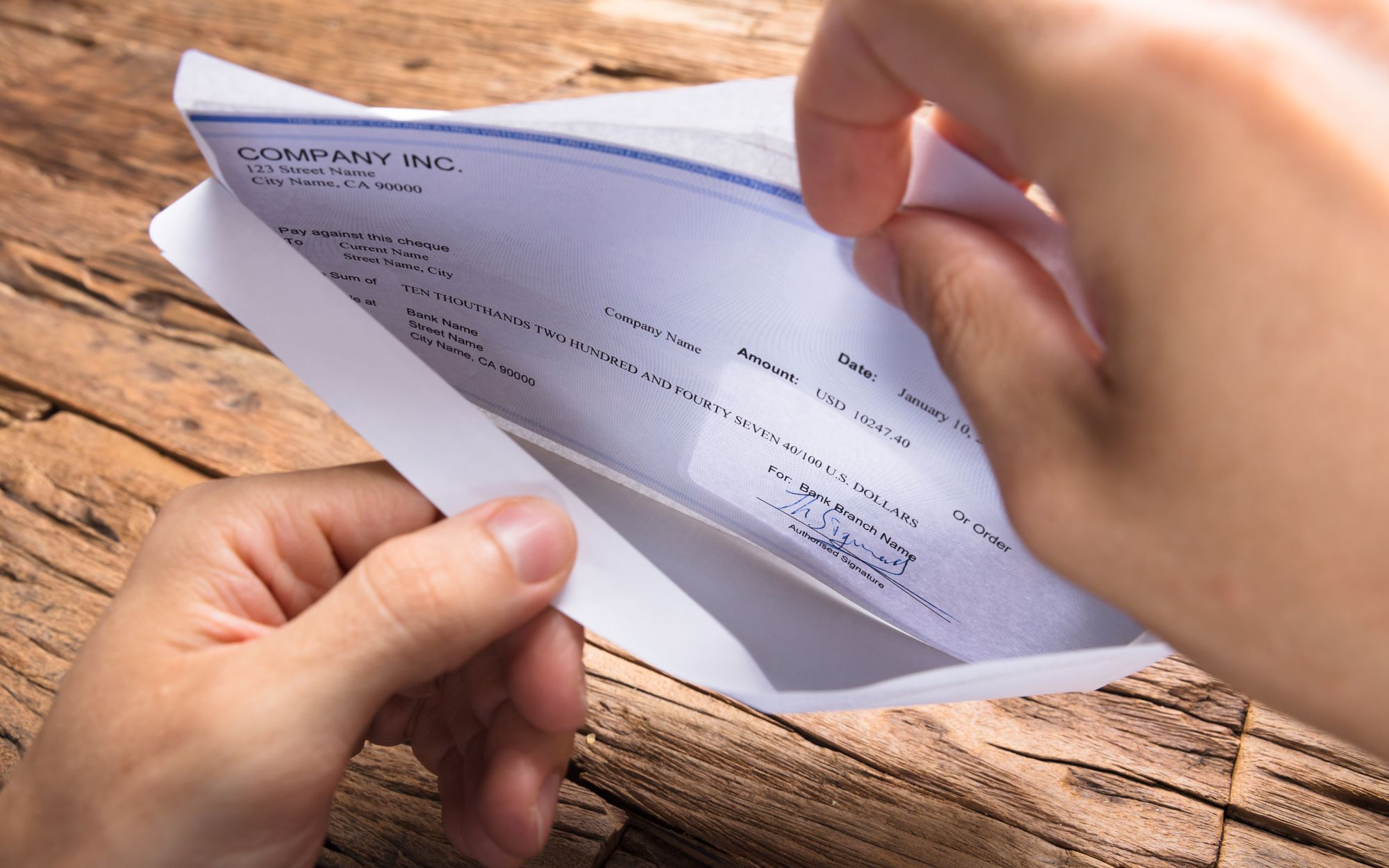
There was a time when hearing “the check is in the mail” was a vote of confidence. People didn’t worry about delays or identity theft. However, times have changed, and new technology has provided faster, more efficient ways to pay.
Construction professionals, whether in a larger organization or contracting as small business owners, still love writing checks. In fact, the latest data from the Association for Financial Professionals (AFP) shows B2B payments by check increased between 2013 and 2016.
However, just because construction executives want to keep using checks doesn’t mean they should be mailing them. Here are four reasons why business owners across the industry are stepping away from the mailbox and moving toward safer, easier, cheaper and greener alternatives.
1. Paper opens the door to fraud
According to a 2018 survey conducted by AFP, fraud attacks against payment systems continue to persist. Vulnerability to fraud increases with the number of times a payment is touched. A mailed check can be touched by as many as eight people during its lifecycle.
To protect against fraud, industrial business owners and suppliers want more secure payment options that don’t require sensitive information from the payee, have limited touch points and offer multiple layers of control.
2. Paper takes patience
Paper checks are slow, especially when combined with snail mail. It doesn’t take much to pop a check in the mail, but writing the check, getting it signed and waiting for it to reach its destination can take a while. Checks can be lost or compromised in transit and account information can end up in the wrong hands.
Paper slows down all processes it touches. Payers and payees prefer direct, timely delivery to prevent checks from getting lost in the mail.
3. Paper’s cash flow conundrum
When the check is in the mail, funds are trapped in transit for an average of two days. If a contractor is away from the office and needs to make a payment from a jobsite, he will have to expedite it and pay a hefty courier charge.
Construction executives need a flexible payment option that gives them control over their funds and the speed to time disbursements to the last possible second. After all, cash flow is king.
4. The hidden fees of paper
If a company send checks by mail, it may be paying more than expected. Bank of America estimates the cost of issuing a paper check can range anywhere from $4 to $20, based on the price of the check and shipping, plus the time employees spend writing, mailing, collecting and reconciling the check. The cost of postage alone can add up to a good chunk of change. According to www.bill.com, businesses spend $235 on postage to mail 500 checks.
To counter high overhead costs, businesses need a payment solution that eliminates the added expense of envelopes and other supplies needed to send checks.
From going paperless to using workflow apps, construction and industrial companies are taking steps to make their operations more efficient. They are embracing new technology, connecting with tech-savvy consumers, delivering a superior customer experience and making sales.