There are five generations in today’s workforce. According to the 2016 U.S. Census Bureau, millennials are expected to overtake baby boomers as the largest generation in the United States this year, with most of them already in the workforce. This means that in today’s workplace, for the first time ever, there are five generations with unique viewpoints on work ethic, communication and leadership—including a diverse collection of opinions and skillsets that can help businesses set themselves apart and be more innovative than competitors.
To move forward today, organizations need to devote themselves to cultivating and marshalling their one key resource: their people. While strong communication and leadership are important for the success of all businesses, they can literally determine the difference between life and death in some industries. For a construction worksite to remain safe, for example, clear communication and collaboration among workers is essential. This can be challenging if workers from different generations have different styles or aren’t on the same page.
To reap the benefits of a multigenerational workforce, CEOs can encourage their employees to speak up and collaborate with one another. Here are a few ways construction CEOs can adapt their leadership style to not only work with each generation but create a workforce that encourages cross-generational teams.
1. Recognize and value different skill sets
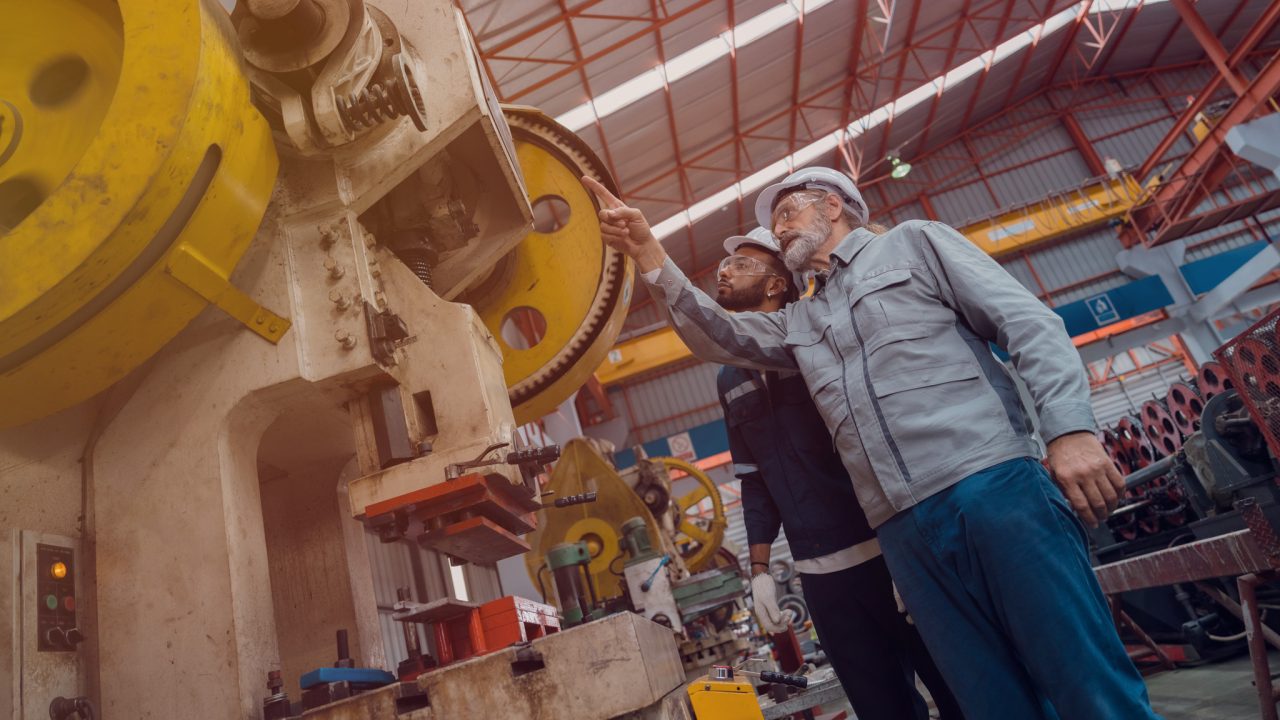
Each generation brings a unique value to a construction team. Older generations have been working in the field longer and can bring years of expertise and experience to the job. Younger generations who may have just finished their training and education could have a fresh perspective on how to make a job more efficient.
2. Discover what excites team members
Find out what excites each individual team member and encourage them to follow that career path. A company may have a younger worker who is eager to work from the office as the project manager and an older worker who would rather be at the jobsite. If each worker is doing what they enjoy, the team will flow so much better and employees will be more engaged.
3. Build a company culture that values its people
Workplace culture should benefit everyone, no matter the age or level. Build a “people first” culture that is inclusive of everyone. Especially in a project-focused industry such as construction, where it can be easy for employees to feel siloed in their own teams, reiterate the career path opportunities available to employees. Employees will know that, with hard work, they will be able to grow in the organization.
4. Develop a mentor program
It’s no secret that the construction industry is being hit hard by a skilled worker shortage. According to a recent study by the U.S. Chamber of Commerce and USG Corporation, 95% of contractors surveyed were concerned about whether their workers have adequate skill levels. Developing a mentor program will not only encourage cross-generational relationships, but it will also allow more senior employees to pass on their experience to the more junior employees. Conversely, encourage mentors to listen and be open to younger mentee’s fresh perspectives.
5. Spend time with team members
There is no way to determine what the different age groups in a construction company need from a job unless leadership spends quality time with them. Each worker is going to feel valued when their leader takes an active interest in their needs and interests. Whether leadership goes on the job with a new employee or has a one-on-one meeting with a tenured employee, taking an interest in what each employee needs will help build a company that puts employees first.
While having such a diverse workforce can be daunting for any CEO in the construction industry, the ability to manage and connect with multiple generations is vital for the success of a business. Each generation has a different value that they can bring to your company. When CEOs recognize that value, it positively impacts their companies.