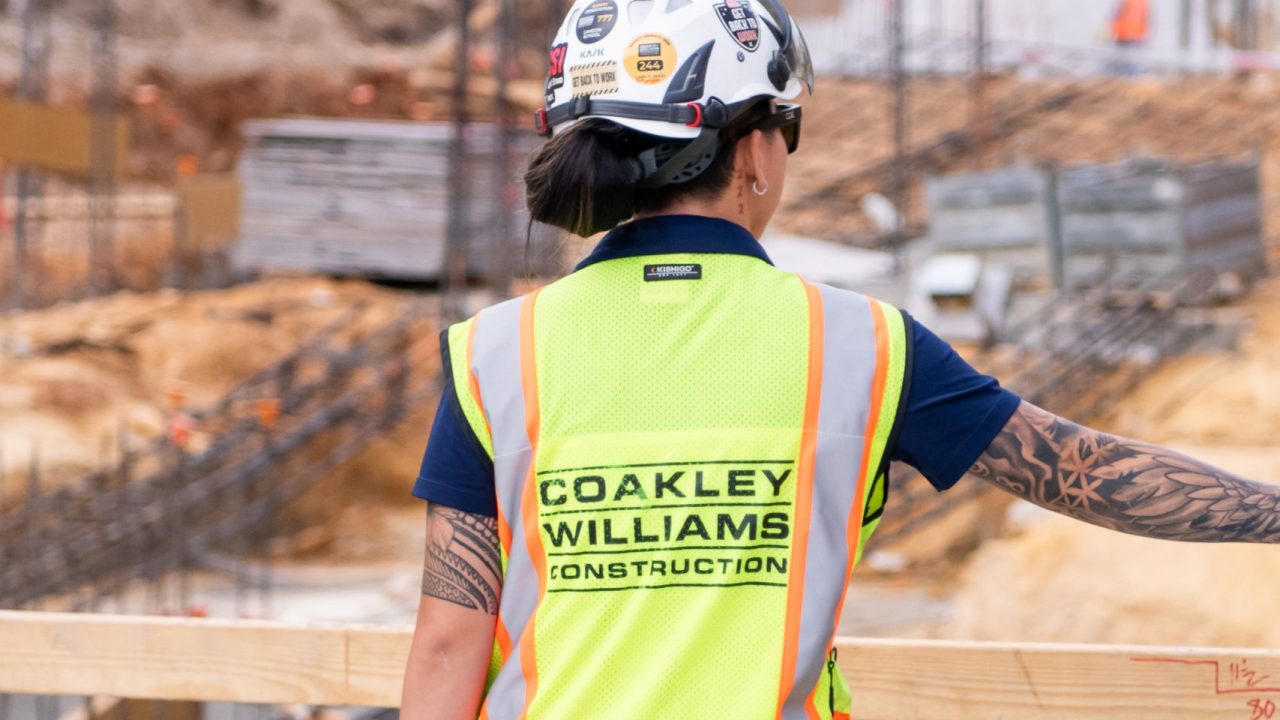
Processing payroll might not be the most exciting part of running a business, but it is a critical administrative task. Not only is it directly tied to labor costs and profit, but it also impacts a company’s ability to comply with labor laws. This is especially true for construction companies that work on prevailing wage projects.
Making payroll more accurate and efficient is not easy, but by using the following tips construction companies can quickly improve their payroll processes.
1. Reduce manual steps
Manual processes are problematic because they are time consuming and error prone. A few examples of manual payroll steps include tracking hours by hand, manually keying time and transferring data between formats, like moving data from timecards into payroll software. Each step provides an opportunity for error that can quickly escalate into more complicated problem.
Moving away from manual processes is a quick way to reduce errors and improve compliance. This can be as simple as implementing digital time tracking in place of timecards and spreadsheets. An added bonus of making this change is that verifying time data instantly becomes easier since it eliminates the need to interpret handwriting. It is also easier to track down and fix errors.
2. Create solid payroll processes
Processing payroll requires companies to repeat a number of critical steps for each payroll cycle. This includes collecting hours; verifying data, pay and withholdings; and issuing the funds. Construction companies that do prevailing wage work must handle additional steps such as verifying wage determinations, work classifications and managing fringe benefits.
Completing every step accurately requires a systematic approach. One way to accomplish this is to create a step-by-step checklist that highlights each task in the payroll process. As each step is completed, mark it off and note any issues that occur. If problems come up, it is easy to look back and see if there were any red flags. Overtime, this will make it easier to improve payroll processes.
3. Switch to digital time tracking
Time tracking is the starting point of the payroll process, and it is also where lots of mistakes happen. Many construction companies still rely on manual, handwritten time tracking systems which is even more error prone. Handwritten timecards are time consuming to transfer into a digital format and it can be difficult to accurately read messy handwriting. If someone forgets to log hours or breaks, it is difficult to verify and fix.
Switching to digital time tracking resolves all of these problems, making it easy to correct mistakes and move data between systems. And since many time systems have advanced options like geofencing, labor cost data and employee accountability is also improved. Construction companies that work on government contracts can more easily log work classifications, manage wage determinations and handle reporting.
4. Unify technology
Technology is a useful tool for simplifying administrative work, but it doesn’t always work out like that. The main reason is that companies use multiple platforms for various tasks, creating silos that make more work instead of streamlining existing processes. An example of this is using a time and attendance system that doesn’t export out to payroll software, requiring extra work to transfer the data.
The most efficient route to take is to get a digital time and attendance system that feeds directly into a payroll and reporting system. Construction companies that do prevailing wage work should further consider a platform designed to handle tasks specific to certified payroll, like compliance reporting, simplifying wage determinations and fringe benefit management.
5. Prevent common mistakes
There are a lot of moving parts in the payroll process, from tracking everyone’s hours to making corrections and adjustments when someone forgets to log in or out. Construction companies that have to do certified payroll have even more variables to handle. With so much that can go wrong, it is unrealistic to think that all mistakes can be prevented. The real goal is to focus on limiting preventable mistakes.
One way to achieve this is to verify key data points prior to processing payroll. Are hours, work classifications and withholdings correct? Is overtime being calculated correctly? These are common areas where mistakes are made. Additionally, make a list of the most common mistakes in the organization and double check those areas before finalizing payroll. By eliminating common errors and focusing on known weak points, the number of overall mistakes will be reduced.
It’s easy to only think about payroll when something goes wrong, but it’s a critical administrative function that deserves to be in the spotlight. By making the payroll process more efficient and accurate, construction companies can improve compliance, limit risk and set the stage for growth.