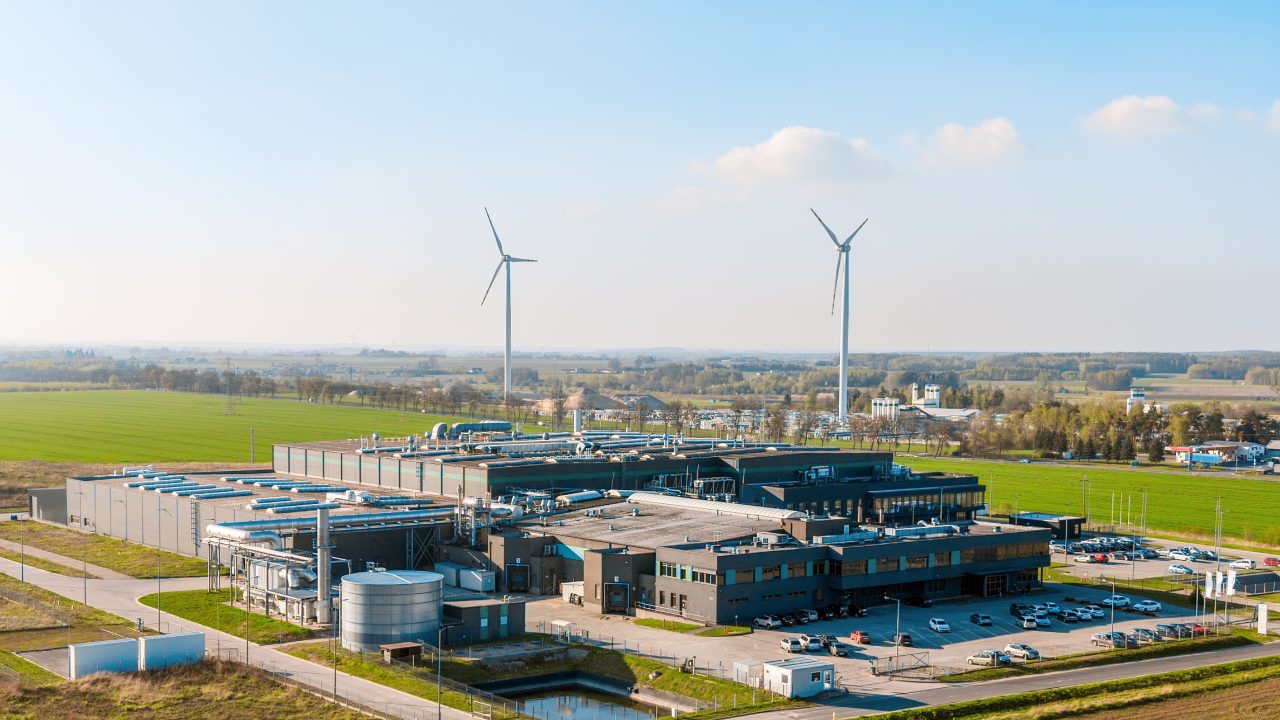
The rapid growth of digital infrastructure has led to a surge in demand for datacenter construction, and it has unleashed a race among datacenter owners to stand up projects faster and better than the competition.
Data center construction is projected to reach approximately $500 billion by 2030, growing at a compound annual growth rate of around 12% to 15%. This rapid growth highlights a significant opportunity for various sectors within the construction industry, from architectural design and engineering to material supply and construction management. The increasing demand for data centers is driven by the accelerating adoption of cloud computing, the expansion of digital services, and the growing need for high-performance computing capabilities to support AI, machine learning and big data analytics.
However, data center projects are unique and complex with stringent requirements for energy efficiency, rapid technology changes, tight project timelines, high costs, and the need for precision and scalability. Additionally, managing the complex coordination of various trades and maintaining project quality without delays or rework adds to the difficulty.
To meet growing demand and to overcome challenges in data center construction, the industry is increasingly turning to artificial intelligence to drive efficiencies in design, scheduling, field operations and progress tracking. If there is one project typology that lends itself perfectly to AI-driven efficiency, it’s data centers.
The integration of AI offers significant opportunities for innovation with parametric design, project scheduling, decision making and enhancing real-time progress tracking, which can lead to reduced rework costs, minimized delays and improved sustainability.
PARAMETRIC DESIGN: REVOLUTIONIZING DATA CENTER PLANNING
Parametric design uses algorithms to generate a wide range of design options based on predefined parameters such as spatial requirements, energy efficiency and material constraints. This approach allows designers to explore a multitude of scenarios quickly.
AI enhances parametric design by automating the evaluation of these scenarios against performance metrics, selecting the optimal design that meets the project’s goals. This drastically reduces the time needed for the design phase and ensures that the chosen designs are both efficient and cost-effective.
Benefits:
- Speed: AI reduces the design time by rapidly generating and refining models.
- Cost Reduction: Optimized designs mean fewer revisions and lower material costs.
- Sustainability: AI can prioritize designs that minimize environmental impact through smarter use of resources and energy-efficient layouts.
SCHEDULE OPTIMIZATION: KEEPING PROJECTS ON TRACK
AI-driven schedule optimization uses machine learning models to analyze historical project data, identify patterns and predict potential delays. This proactive approach allows project managers to adjust schedules dynamically, allocate resources more effectively and anticipate issues before they become costly problems.
Key Advantages:
- Predictive Analysis: AI forecasts potential bottlenecks, allowing teams to make data-driven decisions to keep the project on schedule.
- Resource Optimization: By analyzing resource usage, AI helps allocate labor, equipment and materials more efficiently, reducing idle time and costs.
- Reduction of Delays and Rework: AI-driven insights help in preempting delays and addressing them promptly, minimizing the need for costly rework.
PROGRESS TRACKING: REAL-TIME INSIGHTS AND CONTROL
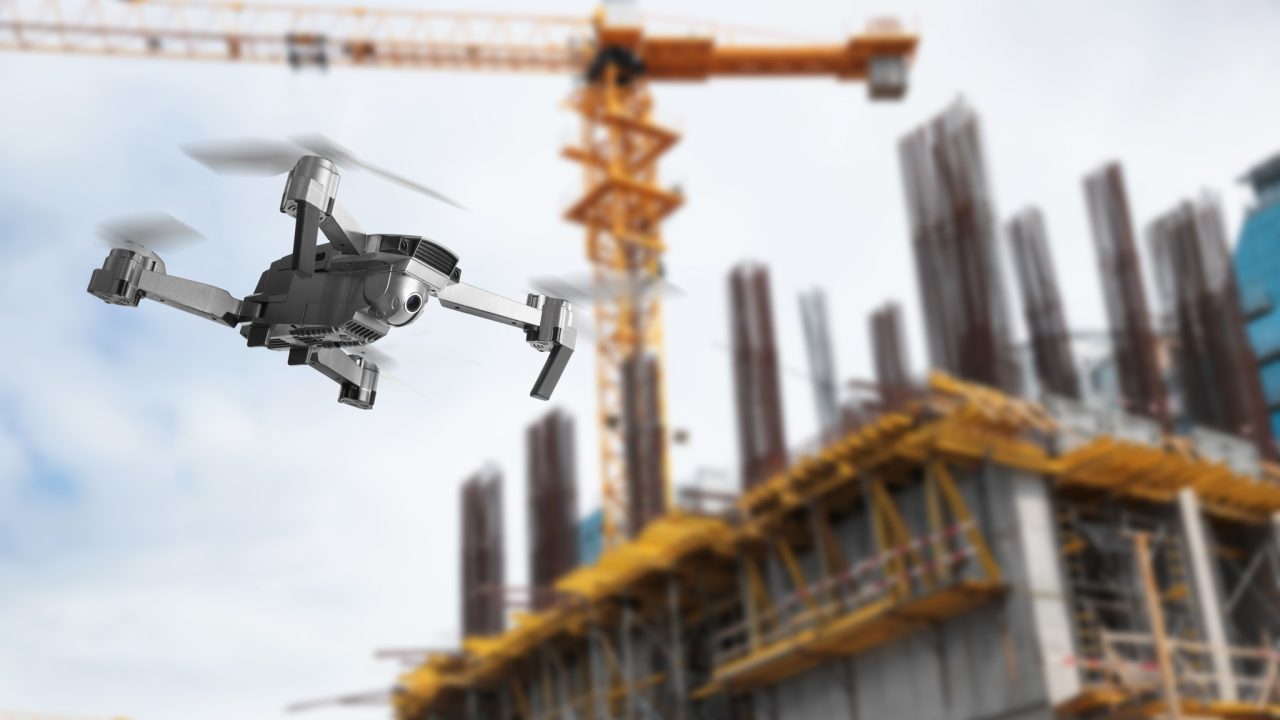
AI-powered monitoring utilizes technologies like drones, IoT sensors and cameras to continuously monitor construction progress. These systems compare the actual progress against the project schedule in real time, providing alerts for any deviations.
Enhanced Accuracy: AI integrates with BIM to offer a visual representation of progress, highlighting discrepancies between planned and actual work. This visibility ensures that any deviations are quickly corrected, significantly reducing the likelihood of costly errors.
Real-Time Decision Making: With AI’s real-time data analytics, project managers can make immediate adjustments, reallocating resources or altering workflows to stay on track and within budget.
Cost Efficiency: By streamlining design processes, optimizing schedules and minimizing rework, AI significantly reduces overall project costs. This efficiency not only makes projects more financially viable but also allows for more competitive pricing in the market.
Time Savings: AI reduces the time required for both planning and execution phases, enabling faster delivery of data centers. This speed is crucial in a market where demand for digital infrastructure is rapidly growing.
Sustainability and Reduced Environmental Impact: AI-driven designs often result in greener buildings through optimized energy usage, reduced material waste and incorporation of sustainable practices from the outset.
Furthermore, real-time progress tracking powered by AI provides stakeholders with up-to-the-minute information on construction activities, enabling more informed decision-making and fostering greater collaboration across the project team. This real-time insight helps ensure that the project stays on track and that any issues are addressed immediately, preventing small problems from escalating into costly delays.
As AI continues to evolve and integrate more deeply into the construction industry, its role will only expand. The technology is poised to drive further efficiencies and innovations, setting new standards for how the digital infrastructure that underpins the increasingly connected world is built. The future of data center construction is one where AI not only supports but also leads the way in creating more resilient, cost-effective and sustainable buildings, revolutionizing how not only the construction industry but greater society approaches the development of critical infrastructure.
SEE ALSO: HOW DATA CENTER PROJECTS WILL PAVE THE WAY FOR JOBSITE INNOVATION