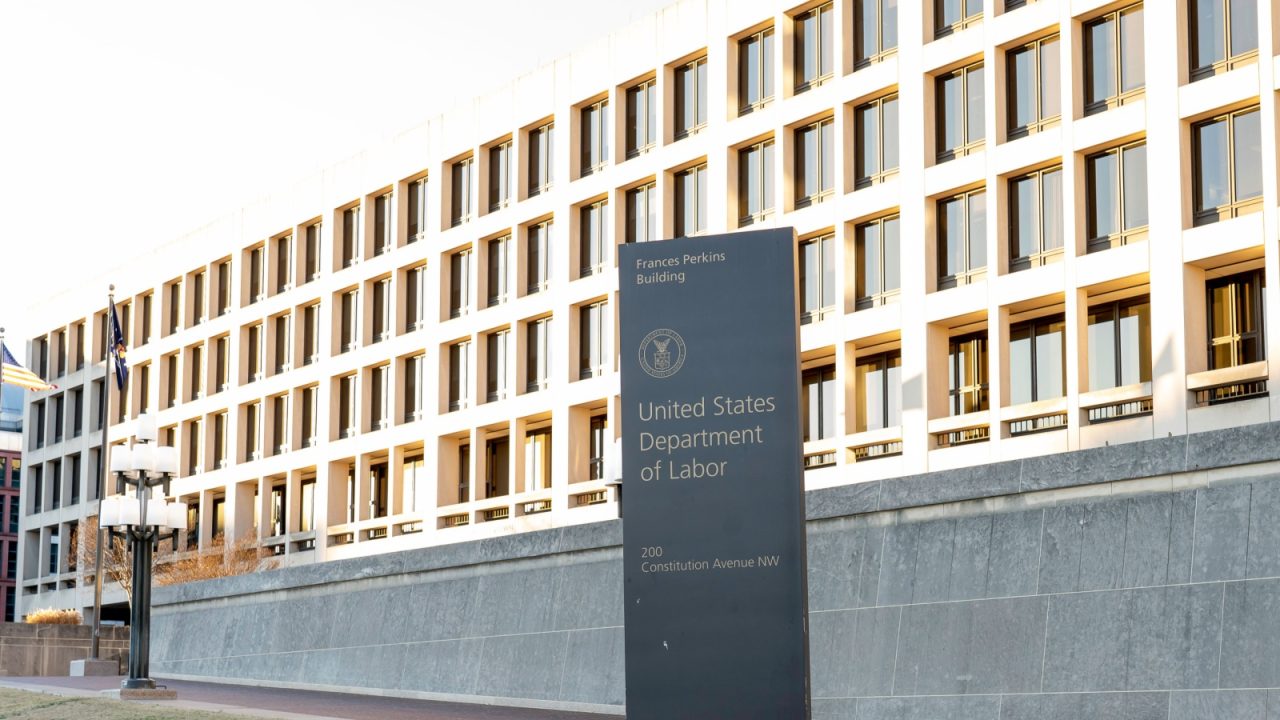
In August, President Biden’s Labor Department rolled out its long-anticipated final rule updating Davis-Bacon and Related Acts prevailing-wage regulations. Unfortunately for the construction industry, the new Davis-Bacon rule ignores longstanding concerns with the prevailing-wage determination’s unscientific survey process and will also unnecessarily inflate wages on critical construction projects, making it harder for many contractors throughout the country to hire the workers they need to complete these jobs on time and on budget.
The 1931 Davis-Bacon Act and subsequent related regulations require contractors and subcontractors that perform work on federal and federally funded construction projects to pay a government-determined prevailing wage and benefit rate on an hourly basis to onsite construction workers.
According to Department of Labor rulemaking, the collective legislation applies to an estimated $217 billion in federal and federally assisted construction spending per year—about 63% of all government construction put in place—and provides government-determined wage rates for an estimated 1.2 million U.S. construction workers.
Many in the construction industry have long raised concerns that the prevailing-wage process relies on unscientific and statistically unreliable surveys. The U.S. Government Accountability Office and the Department of Labor Office of the Inspector General have also repeatedly criticized the DOL for estimating Davis-Bacon-regulated wages with these unrepresentative surveys.
Rather than address these inefficiencies in its new final rule, the Biden administration has doubled down on wage surveys, implementing key changes to current Davis-Bacon requirements, including lowering the definition of “prevailing wage” to a wage paid to at least 30% of workers in a locality, down from the current 50%. This significant change ignores substantial findings by the GAO and the DOL, which found the 30% rule improperly inflated wage rates above truly prevailing rates.
Following the announcement of the new rule, key congressional leaders came out in opposition to the proposal, including Sen. Bill Cassidy, R-La., ranking member of the Senate Committee on Health, Education, Labor and Pensions, who stated: “This is the last thing our country needs as families continue to live with the painful effects of the Biden administration’s inflation agenda.” Rep. Virginia Foxx, R-N.C., chair of the House Committee on Education and the Workforce, called the new rule “wrong” and stated that it “will also drastically increase the costs of federal construction projects, leading to fewer completed infrastructure projects and a greater burden on taxpayers.”
ABC opposed the rule before it was put in place, submitting nearly 70 pages of comments outlining how it would fail to fix the DOL’s unscientific wage determination process, rescind vital reforms made by the Reagan administration and increase regulatory burdens on small businesses, new industries and more public works projects. Unfortunately, these comments went largely unheeded by the DOL as they moved forward with the final rule that, if allowed to be fully implemented, will have negative consequences for taxpayers and construction for years to come.