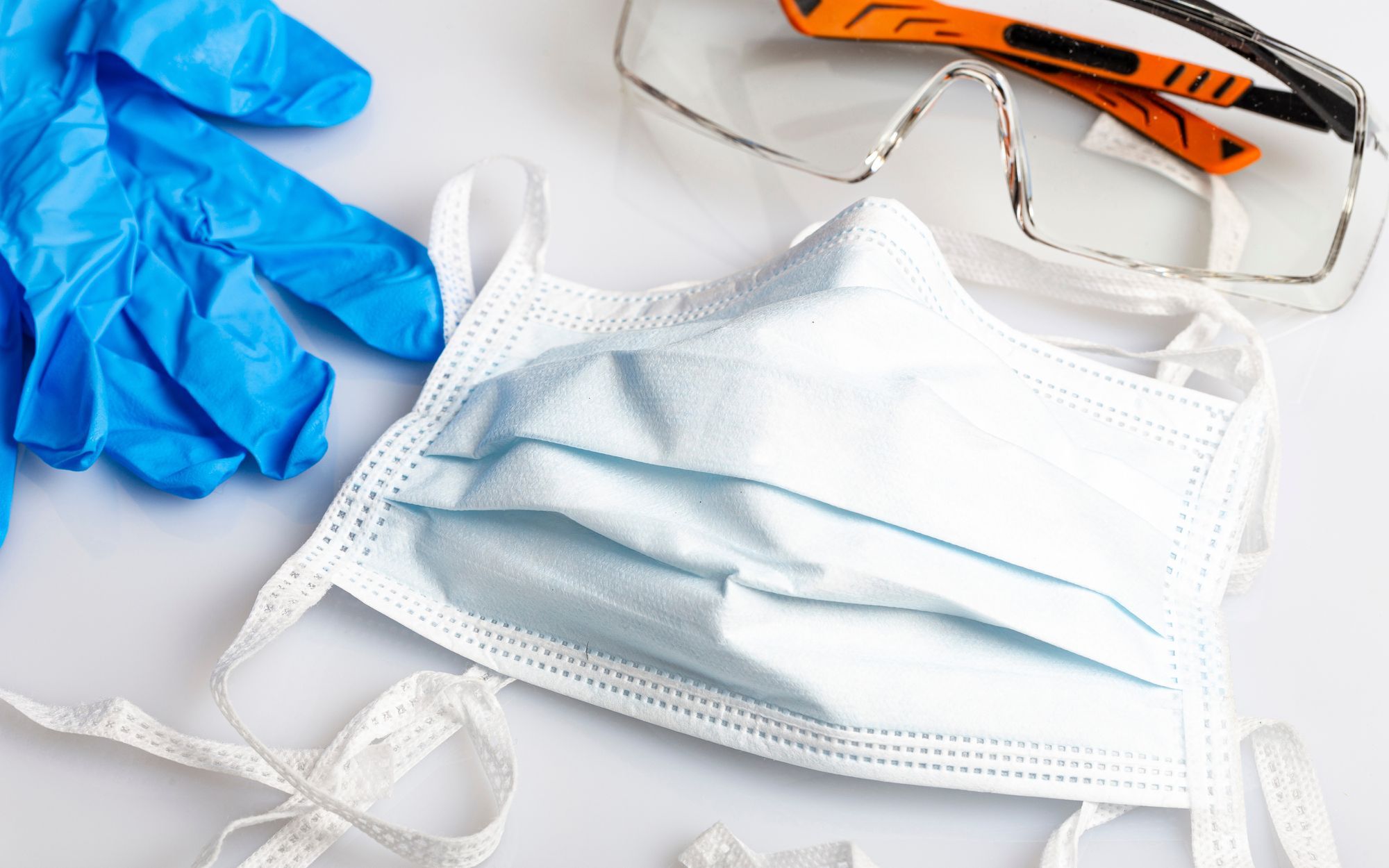
Respiratory protection, hazard communication and personal protective equipment are often some of the most frequently cited standards by the Occupational Safety and Health Administration. For fiscal year 2020, hazcom was OSHA’s second-most cited standard, respiratory protection was the third-most cited standard and PPE the ninth-most cited standard.
While respiratory protection, hazcom and PPE are always areas of concern, it is likely that the on-going COVID-19 pandemic played a role in the frequency of citations under these standards this past year. OSHA indicated that respiratory protection was also among its most frequently cited COVID-19-related standards. The CDC and OSHA issued guidance instructing employers on increased sanitation measures to prevent the spread of the virus, but many employers were cited for failure to update and maintain SDS sheets or to provide the requisite awareness trainings under the hazcom standard. PPE use, particularly safety glasses, was often difficult to enforce because of fogging and other issues created by the use of face coverings and masks in the workplace.
Unfortunately, the COVID-19 pandemic remains an on-going issue with the rise of the Delta and Mu variants. While most employers have wearied from the plethora of COVID-19 articles, presentations and compliance measures, it is clear from the Biden administration plan concerning OSHA’s adoption of an emergency temporary standard for most private employers, that implementing and enforcing rules related to COVID-19 remains a top priority for the agency. Therefore, construction employers need to be vigilant with respect to their hazcom, respiratory protection and PPE programs to prevent unnecessary and unwanted citations.
Respiratory Protection Best Practices
While respiratory protection is generally concerned within the construction industry (depending on the work task), the number of citations issued in 2020 was likely exacerbated by the COVID-19 pandemic. This mainly resulted because some employers permitted employees to voluntarily use N-95s. N-95s are considered respirators under the OSH Act. OSHA cited many employers during the pandemic under the respiratory protection standard these following reasons:
- failure to provide a complete medical evaluation before fit testing or use of the respirator;
- failure to perform an appropriate fit test;
- failure to establish, implement or update a written respiratory program;
- failure to designate a qualified program administrator;
- failure to conduct a respiratory hazard assessment and to select the appropriate respirator;
- failure to provide mandatory information in Appendix D where the employer had made respiratory use voluntary; and
- failure to train on respirator information, use, and the information required in Appendix D for voluntary use.
As such, construction employers can learn from the FY 2020 information and not repeat the past mistakes of others. First, construction employers should implement a respirator training program and should designate a program administrator who is responsible for training, fit testing and associated recordkeeping that is required under the standard.
Second, the employer should perform assessments of their workplaces and job tasks to determine if a respirator is necessary, and if it is necessary, what kind of respirator is best to deal with the hazard. For those jobs requiring respirators, the employer will need to take care to ensure that proper medical evaluation and fit testing occurs and is documented appropriately.
Finally, for employers who are permitting employees to voluntarily use a respirator, due to COVID-19 or otherwise, then the employer will need to ensure that the employee receives the required information contained within Appendix D of the respirator standard. Employers should keep documentation that such information has been provided to all employees that may be using respirators voluntarily.
HazCom Best Practices
Like respiratory protection, hazcom citations increased during the pandemic because employers often increased the number of cleaning agents and chemicals within their workplace to comply with CDC and OSHA guidance on sanitation. However, these employers often were cited by OSHA under the hazcom standard because they:
- failed to update their hazcom program and SDS sheets to reflect the new chemicals within the workplace;
- failed to train employees on the new chemicals and the potential hazards posed by them; and/or
- had employees pour cleaning chemicals from a larger, marked contained into an unlabeled or unmarked secondary container.
Construction employers should continue their sanitation efforts in the workplace (and in work vehicles) during the on-going pandemic; however, they should also take this opportunity to review their hazcom and SDS sheets and ensure that all chemicals being used in their workplace are listed. Likewise, employees should be trained on the hazards posed by any new chemicals that have been introduced since their last hazcom training. Finally, employers should ensure any secondary containers being used are appropriately marked and labeled so that their contents and hazards are known.
PPE Best Practices
Many employers during the pandemic struggled with PPE compliance, particularly eye protection, because employees complained that their safety glasses would fog up and their vision would be obstructed (a potential safety hazard itself). Construction employers must require PPE where it is deemed necessary in the workplace and must counsel and discipline employees not wearing their PPE. However, employers can and should consider whether social distancing can be used to obviate the need for mask during tasks requiring safety glasses. Moreover, employers should evaluate safety glasses on the market and certain anti-fog products that are less prone to serious fogging.
Conclusion
The on-going COVID-19 pandemic continues to present employers with greater challenges than ever before. Attempted compliance with CDC and OSHA guidance often resulted in employers having deficiencies in areas such as hazcom, respiratory protection and PPE. To remain OSHA compliant, construction employers should re-evaluate these programs after having implemented their COVID-19 protocols over the past year and a half. Otherwise, employers risk becoming a statistic on OSHA’s next fiscal year most cited standards.