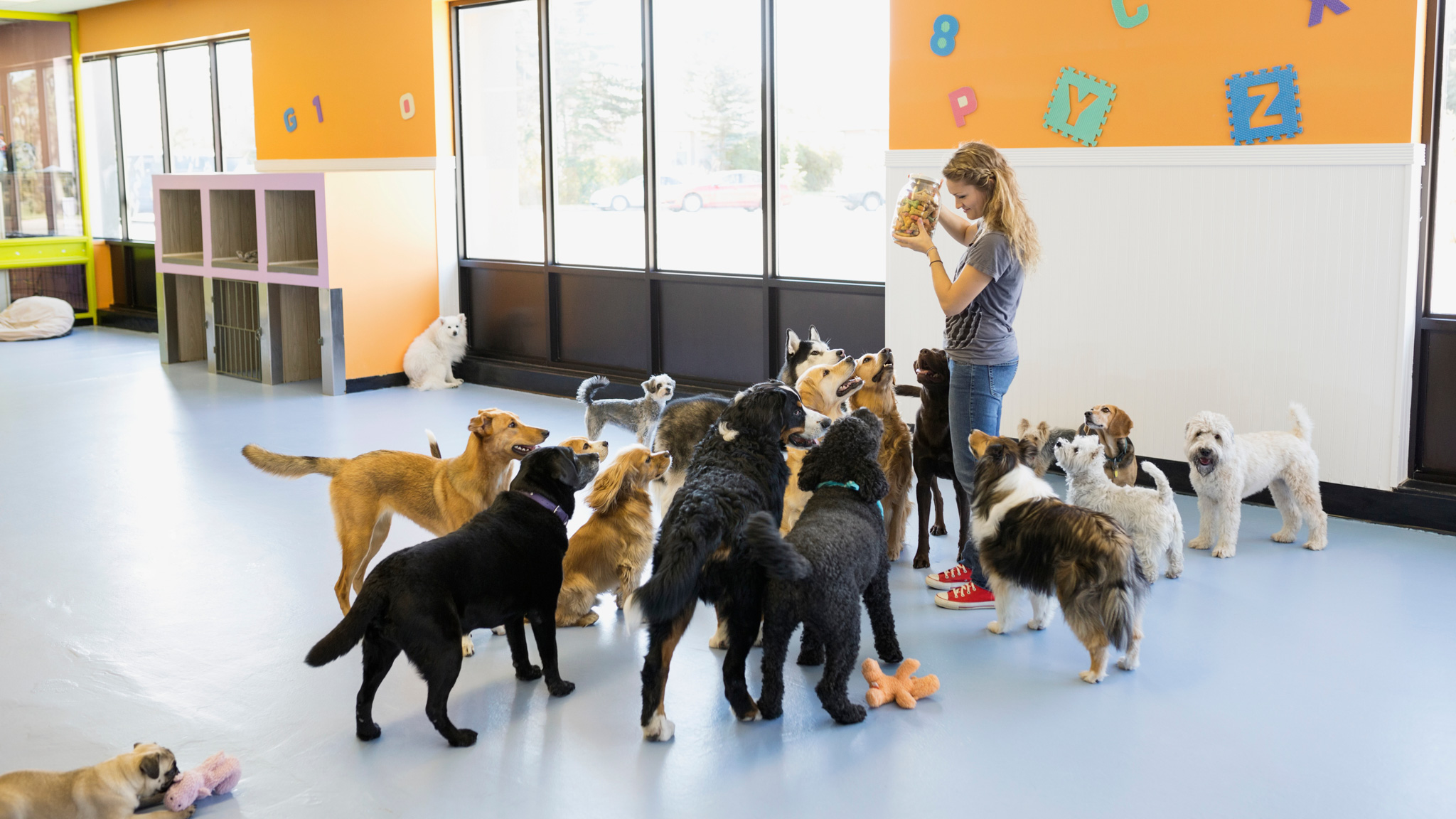
Animal care facilities are highly specialized environments that require expertise far beyond traditional commercial or even standard medical construction. Whether designing and building animal shelters, doggy daycares, veterinary clinics or full-service animal hospitals, these facilities operate under conditions that introduce unique challenges related to sanitation, durability, animal behavior and operational workflows.
Because of these complexities, projects that fail to account for animal care requirements adequately often encounter costly issues—many of which result in litigation. Below are real-world examples drawn from expert witness work, followed by proactive best practices construction professionals should apply to future animal care projects.
Disclaimer: The information provided in this article is for general informational purposes only and does not constitute legal advice. You should consult a qualified attorney for advice regarding your specific situation.
Litigation Examples to Avoid in Your Animal Care Projects
As an animal care engineering expert, Scott Learned, president of Design Learned, has been hired as an expert witness in litigation involving animal care facilities in the United States. Scott Learned is a licensed mechanical engineer and a licensed electrical engineer as well as a LEED Accredited Professional. He is licensed in over 40 states and a subject matter expert on the design and engineering of animal care facilities. He has provided engineering and consultations on hundreds of animal shelters, veterinary hospitals, kennels, daycare and grooming facilities across the U.S. and Canada serving the companion animal industry exclusively since 1994. Learned is also a principal member of the National Fire Protection Association Standards Committee 150: Standard on Fire and Life Safety in Animal Housing Facilities.
Here are three examples of cases in which he provided expert witness testimony regarding the construction of the facility.
Problems With Outdoor Tuff
A dog daycare client experienced issues with newly installed turf at their animal care building and pursued legal action to resolve the problem. Scott was hired to evaluate the facility’s design and construction to determine the root causes of the failure. In short, he identified a couple of breakdown points in the building process.
To start, the civil engineer hired by the client did not design the site’s drainage properly. The engineer assumed sheet flow across the entire property, but water does not move across turf the same way it does over natural grass. Using this design, the contractor then installed turf on a non-compacted base, compounding the issue. As an expert witness, Learned explained how turf drains differently from grass and the complexities of the design requirements. Civil design must account for these differences to prevent water-related performance issues.
For contractors and construction professionals looking to avoid this problem, it is essential to ensure strong coordination and communication among the civil engineer, turf installer and general contractor. In this case, a lack of experience with animal-specific products led to costly consequences. Engineers working on these projects must understand or proactively learn about the properties of animal-care-specific systems and materials, and contractors should know when to voice concerns with design decisions.
Animal Care Buildings Require Specialized HVAC Systems
In another case, a facility struggled with the operational expenses associated with its new HVAC system. The original engineer and architect opted for a single, centralized HVAC system to serve the entire building. However, due to the unique demands of animal care environments, the system failed to provide adequate dehumidification and consistent temperature control throughout the facility.
Learned’s expert witness analysis revealed that HVAC design in animal care facilities must be approached holistically. These environments require careful consideration of odor control, airborne disease mitigation and the high-moisture loads generated by daily operations (including cleaning processes and continuous fresh-air intake). Effective systems typically consist of multiple smaller, independent zones and often include dedicated dehumidification systems to maintain appropriate environmental conditions.
For construction professionals, this case reinforces the importance of working with engineers who have direct experience in animal care facilities or who are willing to consult with animal care specialists. It is also critical to evaluate design decisions through an operational lens, ensuring that long-term energy use, maintenance and system performance are fully considered before construction begins.
Numerous Building Issues
In a third case, a facility encountered widespread problems throughout its animal shelter. Issues included flat flooring with no pitch in animal holding areas, an absence of drains or adequate cleaning systems, poor humidity control and improperly designed animal enclosures. Additionally, a vegetative roof was incorporated as a sustainability feature, but it proved incompatible with the facility’s operational demands.
Learned’s evaluation as an expert witness emphasized that animal care facilities must be designed and constructed as fully integrated systems.
- Flooring should be sloped toward trench drains in dog holding areas to support sanitation protocols.
- Cleaning systems must be built into the design.
- Environmental controls, such as independent dehumidification, must be properly engineered.
While sustainable features can and should be considered, they must align with the functional realities of animal care environments. Unfortunately, the vegetative roof was rotting soon after construction due to the high moisture levels in the building.
Another key takeaway from this case is the importance of using specialized manufacturers for critical components such as animal enclosures. These systems require a high level of specificity and durability, and only a limited number of manufacturers can produce products suitable for animal shelter use. Relying on general design solutions or custom-built enclosures without animal care expertise can lead to significant issues.
For contractors, this serves as a reminder to verify that the design team understands the limits of their expertise and has engaged appropriate specialists where necessary, particularly when addressing highly technical systems and components. It also serves to caution contractors of the incompatibility of certain sustainable designs with animal care facilities.
Proactive Best Practices When Taking on an Animal Care Facility Project
Here are three practices to keep in mind for an upcoming animal care project you may work on.
Ensure the design and plans you are working with are appropriate for animal care environments.
When taking on an animal care facility project, construction professionals must approach planning and execution with heightened diligence. These environments introduce unique operational, health and durability requirements that differ significantly from those of traditional commercial buildings. Mechanical, electrical and plumbing systems play a central role in meeting these demands. HVAC systems must incorporate adequate ventilation, fresh air exchange, dehumidification and high-quality air filtration to control airborne pathogens and maintain animal health. Plumbing systems must support rigorous cleaning protocols and effective drainage, while designs must also address odor control, noise mitigation and disease prevention. Material selection is equally critical, as finishes and systems must withstand frequent washdowns, moisture exposure and physical wear from animals.
Ensure the designers and engineers hired for the project are capable and experienced with animal care buildings.
Equally important is confirming that the design and engineering team has meaningful, proven experience with animal care facilities. Limited or isolated project experience is rarely sufficient for this type of work. Teams should demonstrate a track record of designing animal shelters, veterinary clinics or animal hospitals where animal care guidelines were fully integrated. Experienced professionals understand both technical systems and operational workflows. At the same time, even capable teams must recognize when to engage specialized animal care consultants for areas such as infection control, enclosure design or regulatory compliance. A working knowledge of animal care codes and standards is not optional—it is essential to delivering a compliant and functional facility.
Ensure everyone on the design and construction teams is willing to work collaboratively.
Collaboration across the entire project team is essential to delivering a successful outcome. Animal care facilities require close coordination among the owner, architect, engineers, contractor and specialty consultants throughout both design and construction. Early alignment and continuous communication help surface risks, resolve conflicts and ensure that the design intent is properly executed in the field. Construction administration should be comprehensive, with active involvement from the design team through site visits, submittal reviews and issue resolution. This level of coordination helps maintain quality and ensures the facility performs as intended after turnover.
One of the Most Complex Segments Within Construction
Animal care facilities are among the most complex and specialized segments of the construction industry. As the examples above demonstrate, even seemingly small missteps (such as improper drainage assumptions, inadequate HVAC design or a lack of coordination) can lead to significant operational failures and, ultimately, legal disputes. These are not isolated issues. They are predictable outcomes when the unique requirements of animal care environments are not fully understood or prioritized.
For construction professionals, the path forward is clear. Success in this space requires a proactive mindset, a willingness to engage specialized animal care expertise and a commitment to collaboration across all project stakeholders. By ensuring that designs are purpose-built for animal care, verifying that project teams have the right experience and maintaining strong coordination throughout the project lifecycle, you can reduce risk while delivering facilities that meet both performance and operational expectations.
Ultimately, building animal care facilities is not just about completing a project—it is about creating environments that support animal health, staff efficiency and long-term sustainability. Those who approach these projects with the right level of rigor and expertise will not only avoid costly setbacks but will also establish themselves as trusted partners in a highly specialized and growing sector.
SEE ALSO: MOST FREQUENT VALUE ENGINEERING PROBLEMS IN ANIMAL CARE FACILITIES