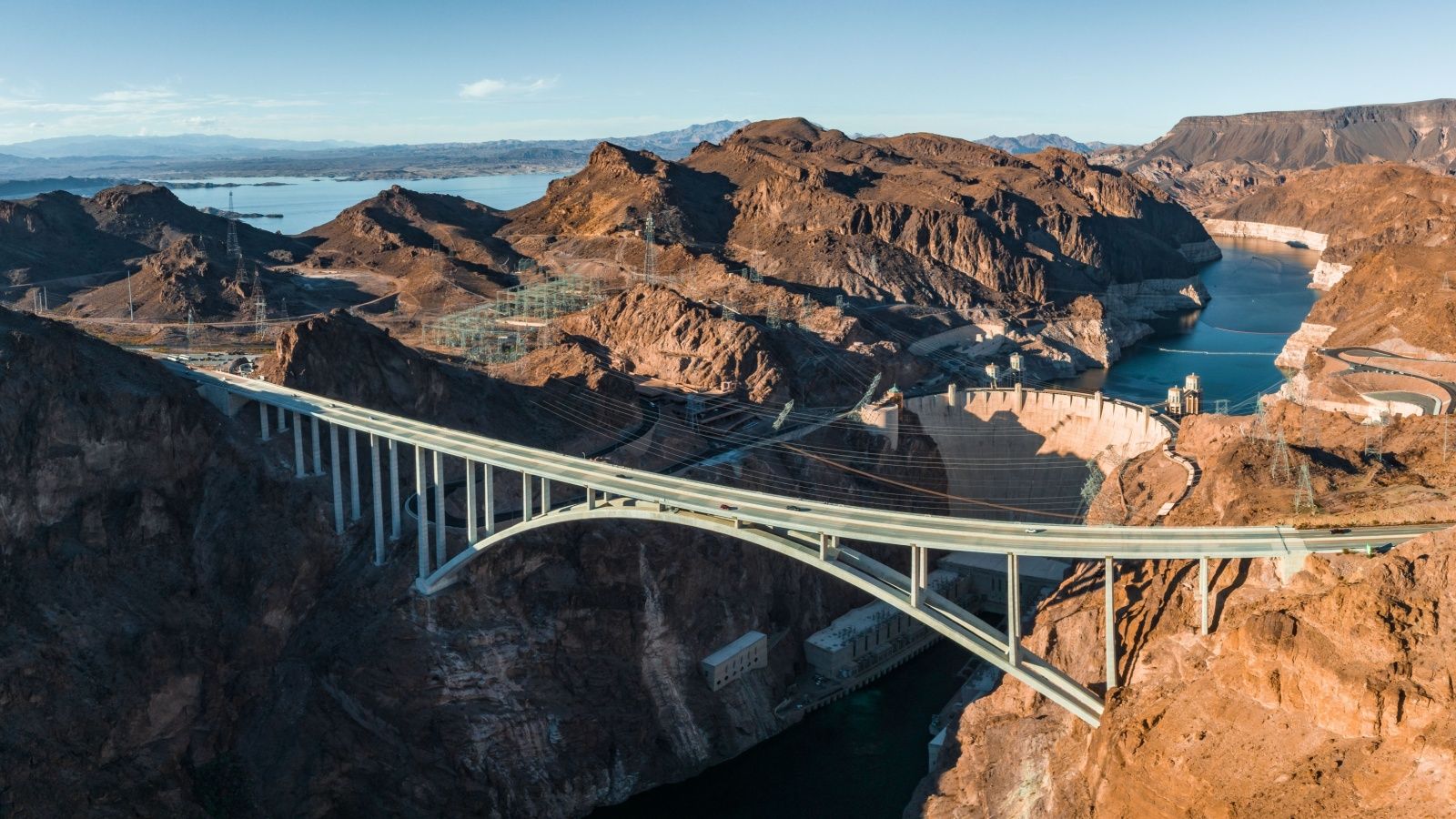
As the world is taken by storm—literally, with increasing hurricanes, tornadoes, wildfires and more—insuring construction projects and infrastructure is becoming more complicated yet more necessary. Sean Pender, senior vice president of construction and development at CAC Specialty, is a leading specialty insurance broker and advisor. As major-storm season for the Northern hemisphere rounds out, he speaks with Construction Executive about the potential risk and insurance implications to the process of ensuring proper repairs, replacements and other forms of maintenance to one of the country’s most pivotal pieces of infrastructure: bridges.
What does insurance coverage look like for building bridges in various environments throughout the country?
Insurance is essential to protect the entity that owns the bridge during construction. Bridges under construction are at the highest risk of collapse because they are not yet fully stabilized and are exposed to severe weather and natural disasters, which could cause significant damage to the structure or injury to workers and civilians. Therefore, comprehensive liability insurance programs—typically with coverage limits of $50 to $100 million or higher—are crucial, especially with activities on or over waterways.
There is also a need to insure the bridge structure and materials during construction through builder’s risk insurance. Whether the contractor or the owning entity manages this insurance depends on the project. The scale of these projects requires piecing together coverage from multiple carriers, as single insurers rarely underwrite such large material values. Often, there are significant deductibles involved, requiring the owning entity to carry substantial risk.
How does the relationship of the insurance agency change with the party maintaining the bridge after the project is complete?
After completion, completed operations coverage applies, allowing claims due to faulty workmanship or construction to be covered by the policies in place during construction. This coverage typically lasts eight to 12 years, depending on state statute.
Bridge maintenance generally falls to the owner rather than the original construction contractor. Specialized firms periodically inspect and maintain these structures, using advancing technologies such as ground-penetrating radar to assess concrete quality and the integrity of embedded steel. Additionally, new electronic systems help prevent rust by connecting anodes to steel within the bridge.
As the frequency of natural disasters increases, what does that do to insurance premiums, contracts, etc.?
In high-risk areas, like the Gulf Coast of Florida, some coverage types—like flood insurance—may be unavailable. With inevitable damage, controlling entities, often state and federal departments of transportation, bear certain risks. Generally, insurance for these structures focuses on catastrophic events, with carriers prioritizing maintenance quality to mitigate risk.
Insurance cannot prevent damage from unforeseen events, such as vessel collisions or natural disasters, but ensuring bridges are constructed to high standards and are well maintained can reduce potential losses.
Are you seeing any new technology or any new materials being used in these initial specs to help contractors prepare for disasters?
Yes, advances in metallurgy and concrete chemistry continue to improve durability and flexibility. Modern steel is stronger and more corrosion-resistant, while AI-driven computer modeling helps engineers simulate weather and load scenarios to optimize bridge designs well before construction begins.
How do insurance agencies help quell social anxiety around bridge catastrophes?
Tragic incidents often prompt needed changes in infrastructure policy and funding. Addressing the infrastructure problem and securing adequate funding are essential to long-term safety. In this sense, public concern can help push infrastructure improvements to the forefront.
Would you say people take infrastructure for granted?
Absolutely. Infrastructure is often an afterthought for the public, even though it impacts daily life. Unless someone is involved in building, maintaining or insuring it, they rarely consider the effort and cost that go into keeping roads, bridges and tunnels safe. For most people, it’s simply there—and it’s expected to work flawlessly. But every time we drive over a bridge or through a tunnel, we trust that extensive planning, engineering and constant maintenance have made that possible.
Contractors and public authorities should engage the public more actively, highlighting the complex work that goes into construction, rigorous maintenance routines and new technologies that enhance durability. When drivers see scaffolding around a bridge or lanes closed for repairs, they often get frustrated, focusing only on the inconvenience. But with better communication, we can help people understand that those workers aren’t just adding a fresh coat of paint—they’re reinforcing and protecting the structure to make it last for decades.
Educating the public on why these projects are necessary—and how they directly impact safety—can shift perspectives. When people grasp the scale and sophistication of modern infrastructure projects, they’ll be more likely to appreciate the value of this ongoing work and support investments that keep these systems reliable.
SEE ALSO: THE TECH MAKING BRIDGE DESIGN AND CONSTRUCTION EASIER