More than two feet of rain drenching Fort Lauderdale in a day, baseball-sized hail chunks falling on Minneapolis and the deadliest wildfire in more than a century destroying more than 2,100 acres of Maui—2023 was a stark reminder that Mother Nature is a force to be reckoned with. In total, $28 billion dollars’ worth of extreme weather and climate-related disasters ripped across the U.S. last year—a new record, according to the National Oceanic and Atmospheric Administration. And there’s no relief in sight: 2024 is already the second-busiest tornado season on the books, and wildfires were burning in Oregon, California, Montana and Texas as this issue went to print.
Part of dealing with disasters is preparing for their impact to infrastructure, and Roland Orgeron Jr.—who co-founded New Orleans-based Legacy Industries with business partner Blake Couch in 2016—has been helping clients do just that. “We do a lot of consulting to identify vulnerabilities, and we offer action plans for companies based on potential storm scenarios,” Orgeron Jr. says.
Some of those clients include large oil and gas companies with operations along the Mississippi River that cannot afford to be shut down for any extended period. “Before Hurricane Ida hit, we pre-positioned equipment inside some facilities, and we had guys responding the day after the storm to clear the area and assess the damage,” Orgeron Jr. says. During the immediate response to Hurricane Ida in 2021, the company’s work involved more than keeping the business locations up and running; they needed to help a business’ employees find a place to live. “We have a home stabilization contract with one oil and gas company designed to make sure their employees can get back to work as comfortably and quickly as possible,” Orgeron Jr. says.
Recently, Orgeron Jr. has seen other companies outside the energy sector request similar services to make sure they can maintain their workforce—a clear signal that more business leaders have begun prioritizing the need to disaster-proof their operations. A recent survey of business decision makers conducted by Aon revealed that 59% of companies have taken steps to quantify the financial impact of extreme weather. They’re going to need to do more than crunch the numbers, though: A C-suite survey conducted by critical event management company OnSolve in 2023 showed that only 37% of leaders have a plan in place for extreme weather.
FAMILY FIRST
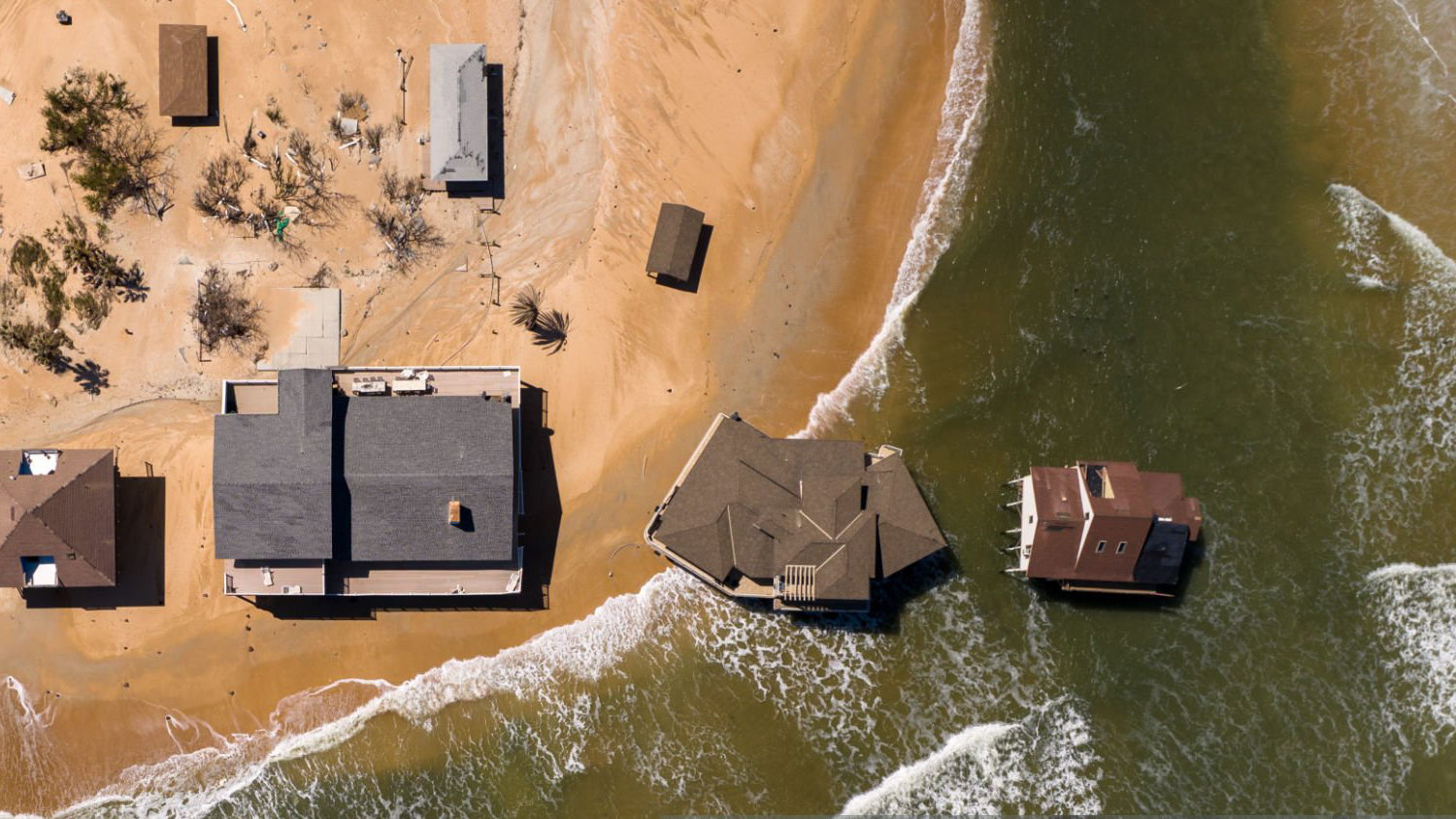
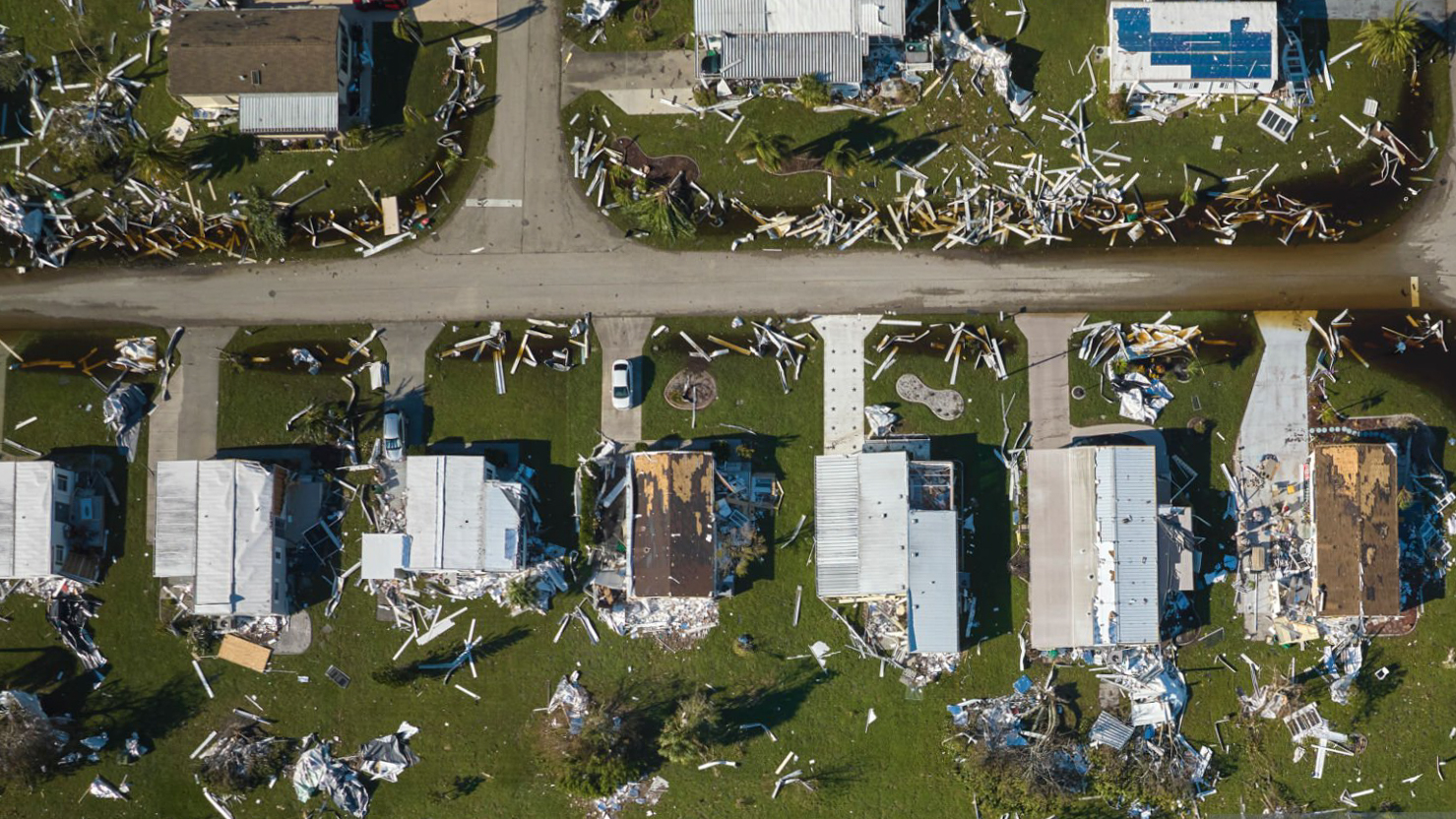
While contractors are accustomed to helping clients understand how to strengthen their facilities, nothing can prepare them for the heartbreaking reality of seeing their own community in pieces. In the aftermath of Hurricane Ian in September 2022, Matthew Johnson, director of operations at R.D. Johnson in Fort Myers, Florida, said the company had 10 workers whose homes flooded, along with other clients and partners who needed help rebuilding their properties.
“I’ve never experienced anything like it,” Johnson said of the storm, which was the costliest hurricane in Florida history, causing more than $112 billion in damage, according to the National Hurricane Center. “Some of our close colleagues were devastated and lost everything. There was a brutal period of six months that involved tearing everything out, drying it out and putting it all back together to make it livable.”
Paul Hively, business development officer at Nabholz and based in the company’s northwest Arkansas office, has faced similar challenges in the aftermath of tornadoes. “There’s an emotional dynamic that can be hard to overcome,” Hively says. “We might be texting or calling someone about trying to take care of a client, but their house has been affected as well. We obviously want them to take care of their family first, and we try to figure out what else we can do to help.”
IMMEDIATE NEEDS
Both Johnson and Hively highlighted that neither of their companies specialize in disaster response services. However, their geographical locations—one in the epicenter of hurricanes and the other in the heart of Tornado Alley—mean that they need to be ready to answer the call. Johnson, for example, said that the company shut down the majority of its existing operations after Hurricane Ian to focus on helping the community. “Everyone was very understanding about shifting timelines due to the sheer destruction here,” he said.
Part of Nabholz’s focus is making sure that its existing clients know they can count on them if and when a storm impacts their operations. The company has 13 locations, 12 of which are located in areas with intense tornado activity, and Hively estimates that each of those offices is involved in assisting with recovery efforts for at least one tornado each year. The company has a special projects division with employees who have the skill sets to get projects back in operation on short notice.
“They’ll go out to help a client with immediate needs, and the next day, we’ll help the client understand the full extent of the damage,” Hively said. “We try to guide them through the initial shock of thinking about what to do with the people who are going to come to work the next day.” After that initial evaluation, however, the decisions about rebuilding can get quite complicated. “If you have a building built in the 1980s that gets hit, there will be questions about bringing that building up to current codes and standards,” Hively said. “Easements may come into play, too. The city or governing body may now require a building to be located a certain distance from the highway, which can involve civil engineering utility relocations. There are a lot of ingredients that go into a recipe for a new building. And in the midst of all that, owners have to play by the rules of the insurance timeline.”
A LONG ROAD AHEAD
That timeline can be quite long. When an EF-3 tornado ripped through Wynne, Arkansas, in the spring of 2023, the storm destroyed the town’s high school. Nabholz worked with the town’s school district to help secure the school before setting up temporary classrooms that are currently in use. Now, the company is handling the ongoing rebuild of the school, which Hively estimates will be a three- to four-year process.
In other cases, the recovery process can take significantly longer. In early 2024, Hawaii state senator Angus McKelvey estimated that it could take 10 to 20 years to rebuild the town of Lahaina. While that may sound like a dire prediction, it’s a reality that other communities have faced, too: Legacy Industries is currently building 20 homes on lots acquired after the 2005 devastation of Hurricane Katrina via a partnership with SBP, a nonprofit organization based in New Orleans that works on recovery operations throughout the Gulf Coast.

NEW BEST PRACTICES
Storm-related challenges are only increasing: A recent study published in the journal Science Advances forecasts that the most intense hurricanes and typhoons could more than double by 2050, with wind speeds in those storms increasing by as much as 20%. While that may sound overwhelming, leaders are using the biggest storms in recent memory to bolster their preparedness efforts.
“We took everything we learned from Hurricane Ian and revised our natural disaster policy,” Johnson said. Part of those revisions involves lots of additional supply purchasing, including drywall, cutting saws, sump pumps, straps, tarps and gas cans. “We don’t use all these materials on our jobs every day, but two years ago, I was scrambling,” Johnson said. “I was calling people in California and Montana who weren’t impacted by the storm to find tools, equipment and materials. We’ve also been in discussion with our suppliers about having a certain amount of drywall, studs and plywood ready to go during hurricane season.”
Looking ahead, Johnson is doing what every contractor who works in a disaster-prone area needs to do: working to be ready for whatever comes their way. “This is supposed to be a pretty active hurricane season,” Johnson said. “Supposedly, it may have the most named storms on record. The telltale sign is when [Weather Channel correspondent] Jim Cantore arrives—then you know you’re in trouble.”