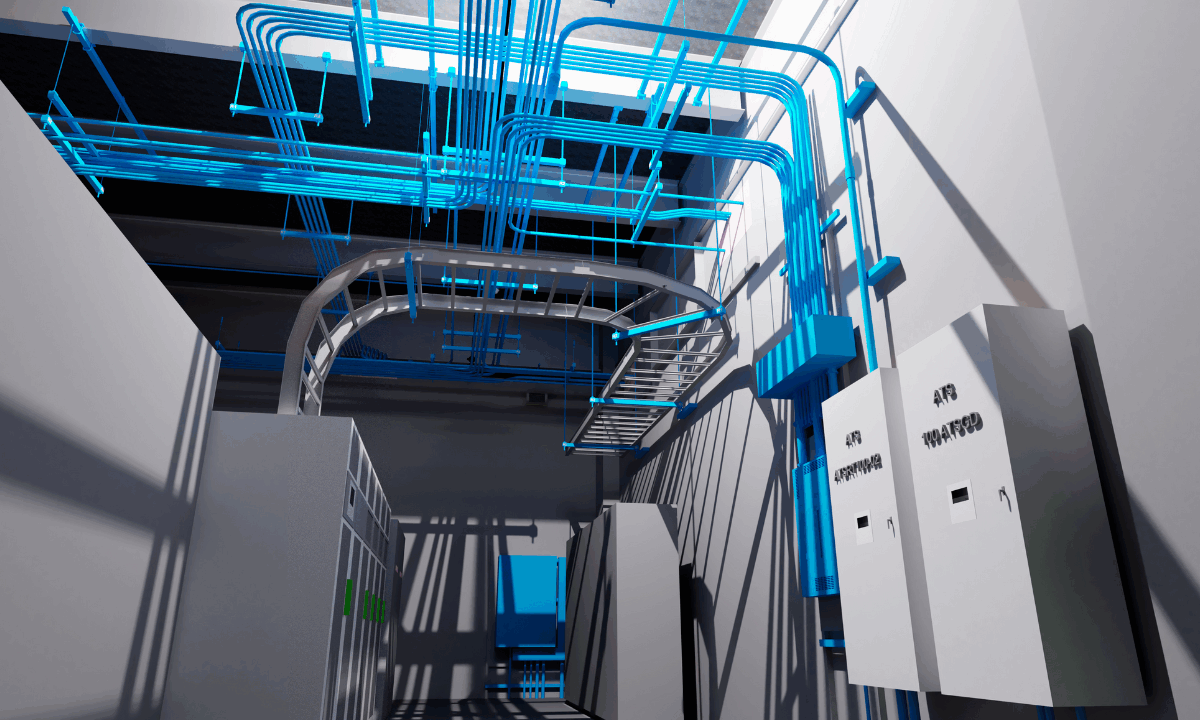
As digital tools such as BIM, AI agents and digital twins become standard in construction, cyber vulnerability grows. Last year, the average cost of a data breach topped $4.4 million. In an industry defined by thin margins and tight schedules, cybersecurity is no longer just an IT concern—it is a business and project risk. Reducing exposure requires a holistic approach, but construction leaders should focus on three priorities in 2026.
1. GOVERANCE AS A GUARDRAIL
Most firms are already piloting AI tools to update schedules, manage supply chains and monitor jobsite safety in real time. But these systems are only as reliable as the data they access.
Shifting from manual cleanup to AI-powered data governance is essential. Environments filled with redundant, outdated or trivial data increase the risk of AI “hallucinations” or accidental exposure of sensitive project, contract or employee information. Industry reports show that up to 55% of stored data falls into this category. Automating data inventory, archiving and deletion helps ensure AI tools operate on clean, secure datasets.
2. PROJECT-BASED USER ACCESS
Today’s biggest cyber threat is often not a hacker, but a dormant account. Workforce turnover, subcontractor access and shifting project teams create risk when permissions linger. Former employees and contractors remain common entry points for ransomware.
Digital access should mirror physical jobsite access: time-limited, role-specific and automatically revoked when a project ends. Pairing a least-privilege model with mandatory multi-factor authentication—which can block nearly all automated attacks—significantly reduces exposure.
3. AUDITING THE INVISIBLE THREAT
Strong cyber hygiene is now a competitive advantage, especially on projects involving sensitive data. Treat digital risk like a jobsite hazard, with regular audits to surface issues early.
Ransomware resilience does not require sweeping system overhauls. It requires discipline, clear policies and consistent review. Data risk is project risk, and managing it with the same rigor ensures firms stay resilient and ready to build.
SEE ALSO: CYBERSECURITY FOR CONTRACTORS—INCLUDING HOW TO MITIGATE CYBER ATTACKS