When you’re driving down the road, it might not always—if at all—cross your mind about how exactly that road was built, but this thought is on the mind of Daniel Pelaez every day.
Cofounder of the Boston-based contech company, Cyvl, Pelaez is helping over 100 U.S. cities rethink how they build and rebuild their roads.
“Through vehicle-mounted sensing and analytics already embedded in day-to-day operations, Cyvl is effectively powering the reconstruction of roads up and down the country—determining what gets fixed, when and why,” says a representative of the company.
Having just been named in Cemex Ventures’ Top 50 Contech Startups for 2026—which recognizes companies that are already influencing how construction and infrastructure decisions are made on the ground—Cyvl sat down with Construction Executive to discuss their evolutionary work further.
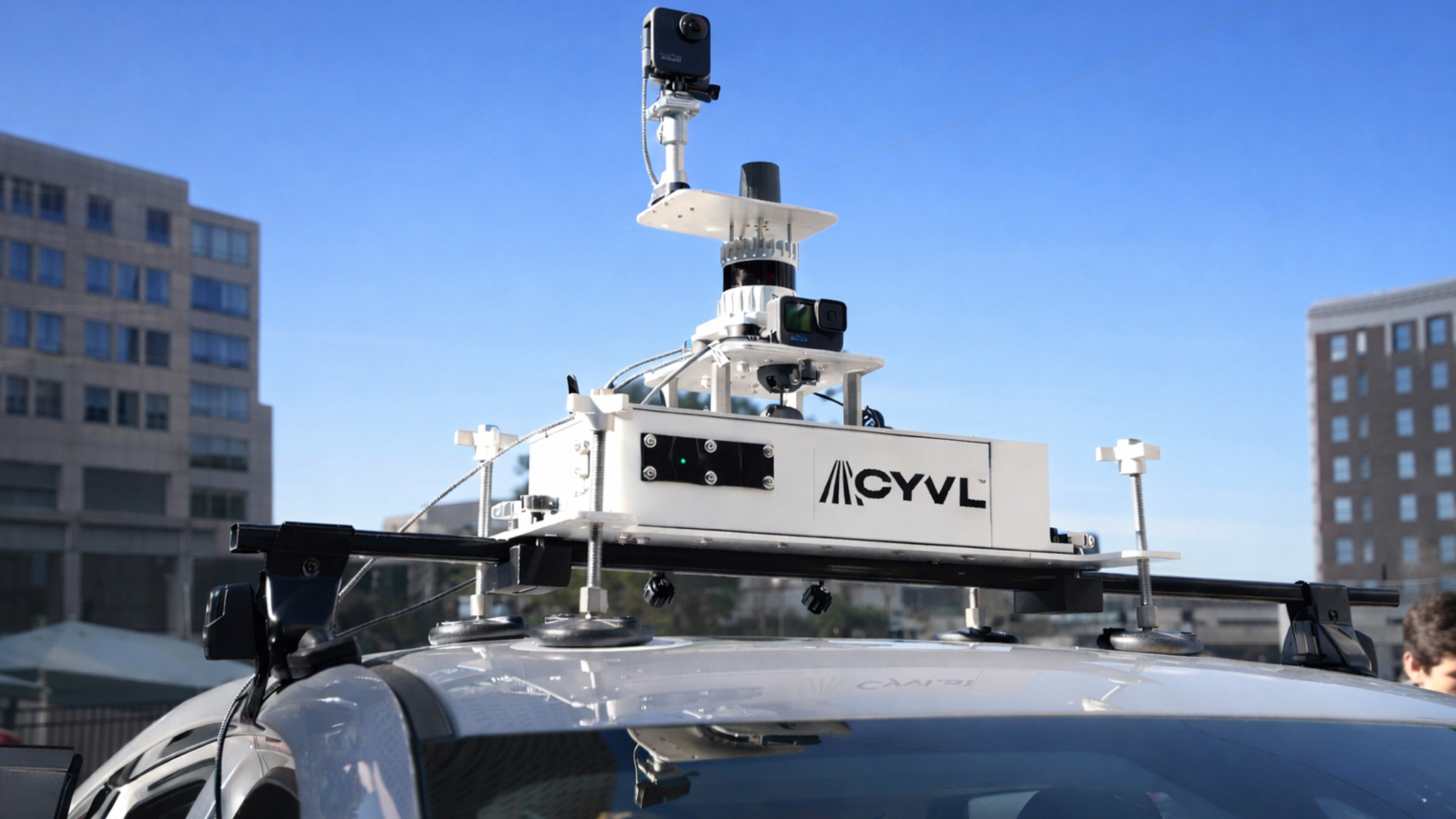
Maybe even stay tuned for a sneak peek inside one of their AI-powered cars.
What was the impetus for starting this product/company?
DANIEL PALAEZ: It’s a fun story. It started with the problem and we found the technology to solve that problem. One of my first ever jobs was working on the road crew for a public works department in Southbury, Connecticut. And I was seeing firsthand how hard it was to manage infrastructure. The town was reacting to issues every single day, whether that be residents hitting a pothole or trees falling down or missing signage no one noticed until it caused an accident. This was a smaller city that was relying on outdated data that lived on paper in a three-ring binder.
I was only about 18 or 19 at the time, but I figured there had to be a better way. So, I started talking to lots of other communities and realized they were relying on similar techniques. When I entered college in 2020 for engineering is when I started to learn about these sensors used for self-driving vehicles, and that was the “a-ha” moment of seeing the massive problem firsthand, recognizing that pretty much every community across the U.S. is battling with outdated infrastructure and information. Then it was about figuring out how technology from self-driving cars could be applied to automatically map out infrastructure, and how to use AI to perform condition assessments, recommend treatments, budgets, etc. That is really where we saw the magic of applying that tech to this problem. Ever since then it’s been a very fun journey helping hundreds of governments implement this into their day-to-day workflows.
What was the process of getting this off the ground?
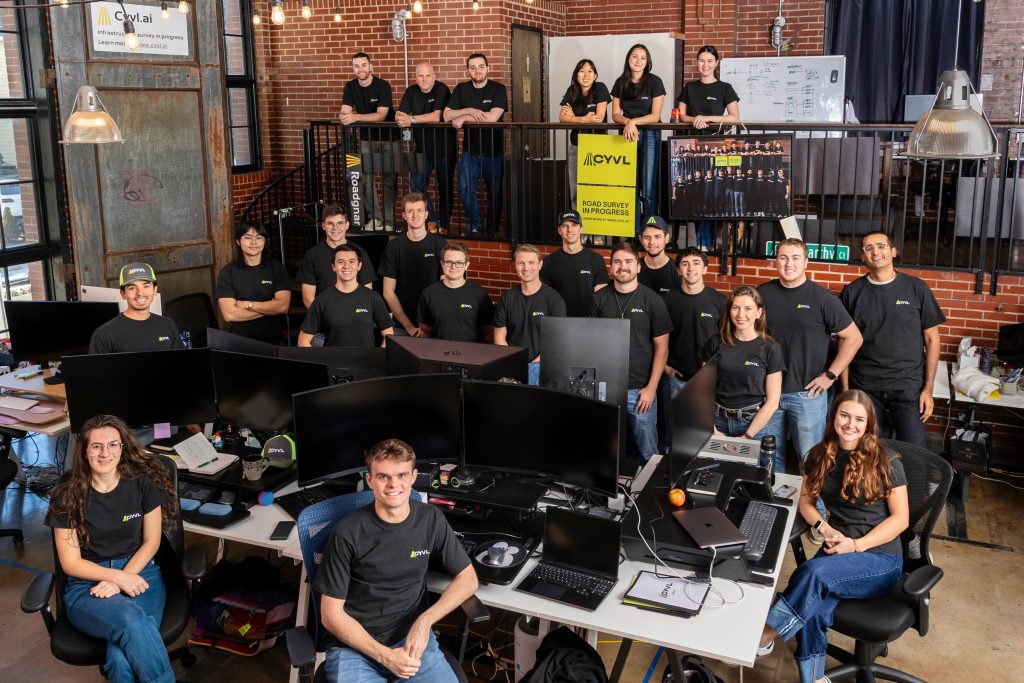
About halfway through college, I thought this would be a fun application of the tech. It was never a class project. I just started conceptualizing it in my mind and I recruited one of my best friends and roommates—we’ve actually known each other since we were seven years old—who is way smarter than I am to help me build it out.
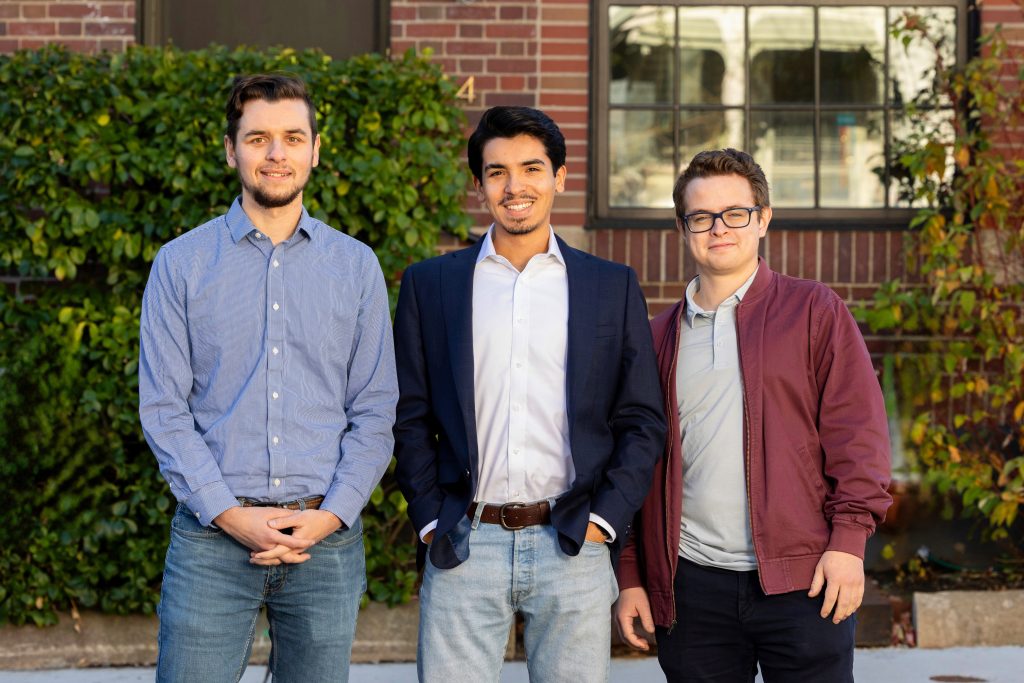
We didn’t know anything about starting a company; we just thought we were solving a cool problem. We began looking for funding to make prototypes and entering innovation contests across the country. After winning a few of them, everyone kept telling us, ‘Hey, this is a really big problem that our country and the world needs to solve,’ which motivated us to take it more seriously. So, shortly after graduating, we decided to become cofounders and brought on a third friend of ours from college to help us with the AI side of things. We raised $100,000 from our first ever investors, which felt like a lot of money at the time—we were all just 22 years old. We made that last more than a year until we got our first customers. And it’s been a wild ride since then.
When did this product officially hit the streets?
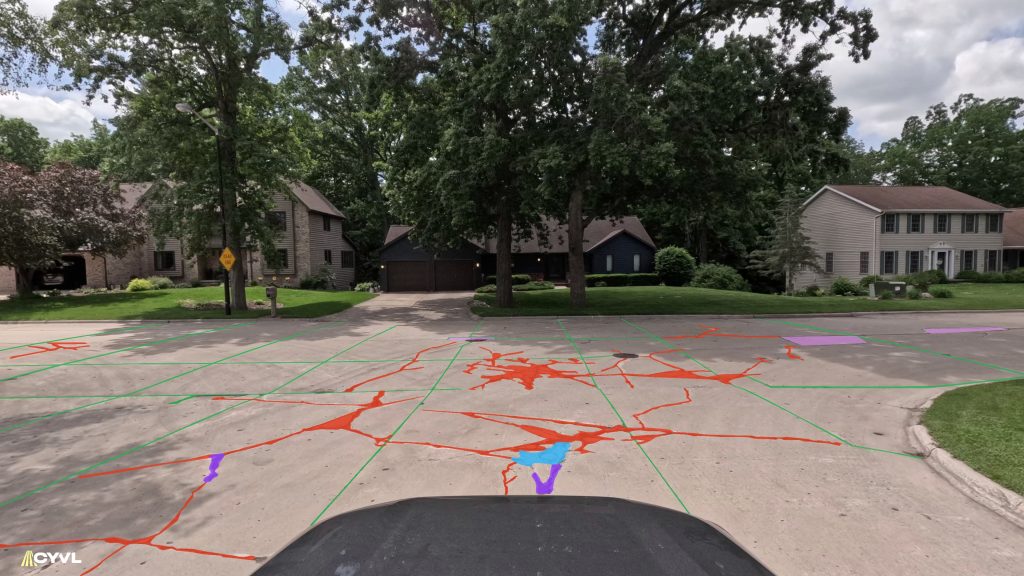
At the beginning of 2022, we started our first projects with municipalities and a few civil engineering firms in Massachusetts. Those were crazy days where the product barely worked, but we were determined to make it better and to keep getting feedback from the cities and towns we were working with, which was invaluable to us at time.
Do these sensors/vehicles operate as a service (i.e. SaaS)?
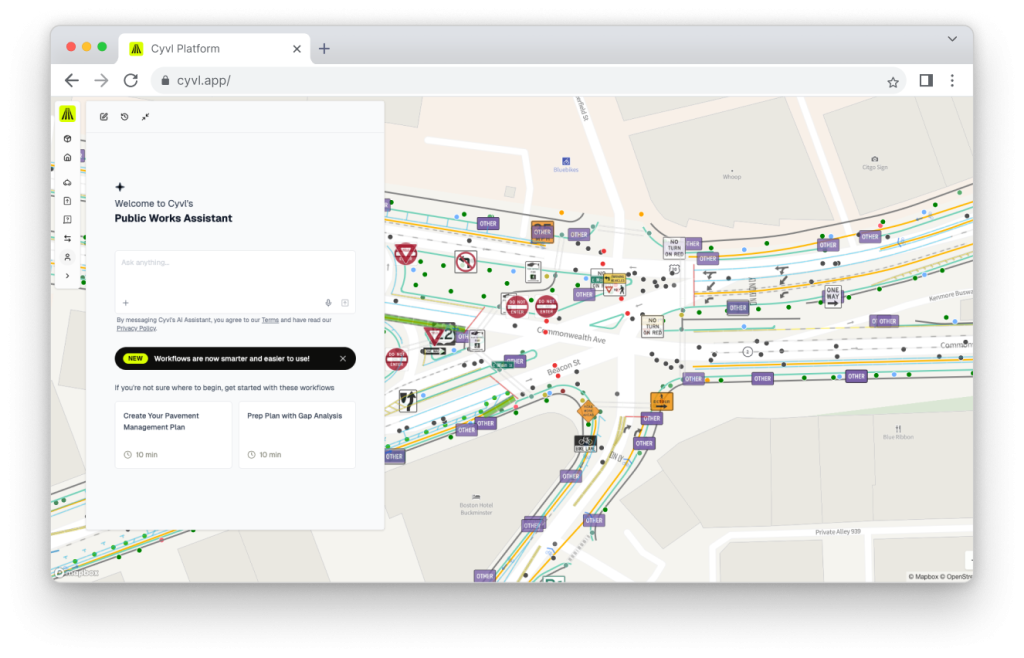
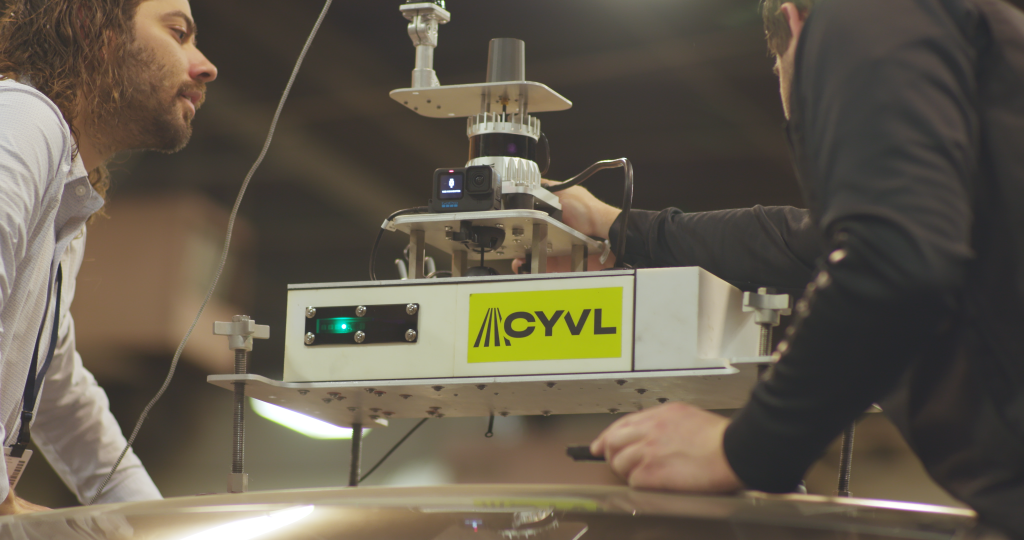
It’s an annual investment the cities make in our technology. What that gives them is access to the sensors, which they can put on their vehicle so they don’t need to buy them, and access to our software program, which is what’s taking all the data from the sensors, automatically processing it, doing the condition reports and then creating plans and budgets so the city can get to work with more speed and accuracy.
Was it hard to get cities to agree to bring this tech on board?
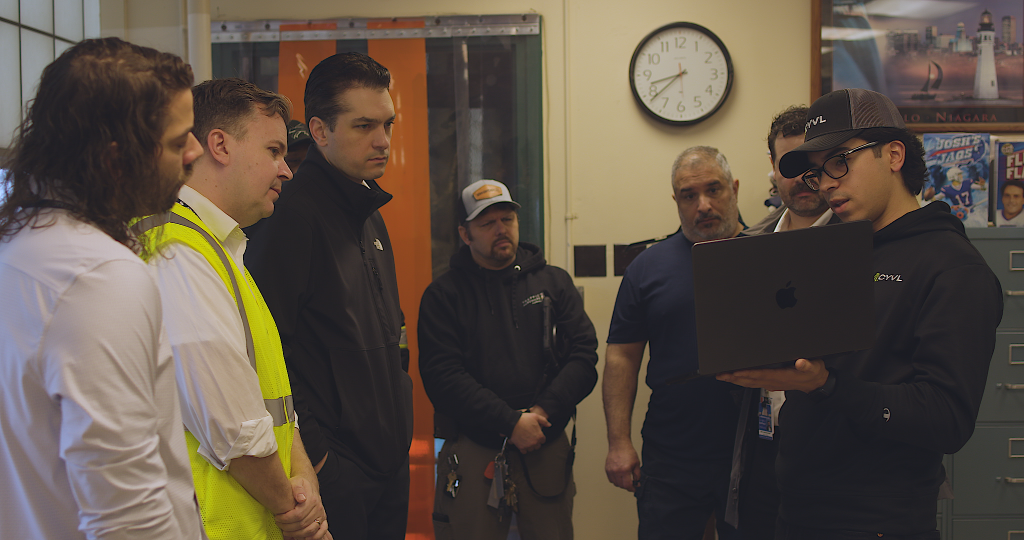
Yeah, it was incredibly hard. Imagine a 22-year-old placing cold calls into every single town or city in the state telling them, ‘Hey, I have a better way to manage your very expensive roads and sidewalks.’ There was a lot of skepticism—especially when they asked how many customers we had and we had to say zero. We got a lot of nos, but, slowly but surely, we started building a reputation. It’s still challenging these days, but I think that’s what’s really been special.
Cities do see immediate value when they start working with our technology. Now there’s less perceived risk when we can present them with data from working with some of the biggest cities in the nation. It was never easy, but, as with any business, you just have to keep pushing through.
What is the smallest/biggest city you’ve worked with?
We’ve worked all over Massachusetts, Iowa, Wisconsin in some pretty small communities, about 5,000 people or under. Our first big customer was the city of Atlanta. We partnered with them about a year and a half ago, and we were just selected by the city of Nashville to do a full five-year infrastructure plan. We have a few other big cities that we cannot formally announce yet, and we’re even beginning talks with some state DOTs.
How do you hope to see your company evolve?
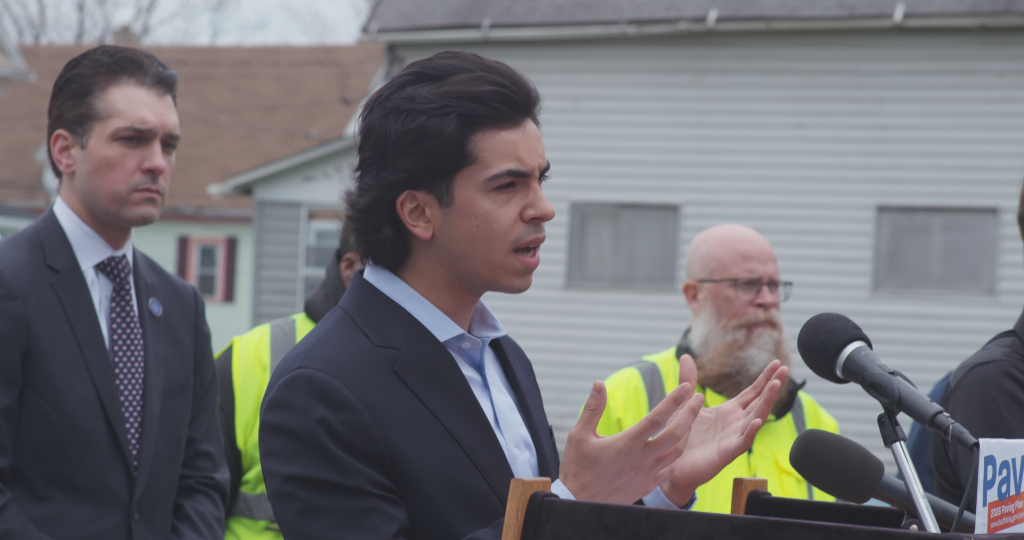
I’d say our number one goal and our mission as a company is to enable government agencies to build infrastructure 90% faster and 50% cheaper than they’re doing today. And if we can encourage a digital-first standard, I’m sure there will be more companies like us popping up, and I’m sure some of the major civil engineering firms are going to start to embrace these technologies, too. If we can make that the de facto standard for the U.S. by 2030, that will be a huge accomplishment for us. We’re really trying to change an entire industry here, and we’re not going to do that alone. So, bringing more people along with that shared digital-first mentality and the new operating model for infrastructure is incredibly important.
How do you hope that your story might inspire the future of construction business owners and innovators?
I’ve been so fortunate just to be surrounded by mentors and advisors and friends that have been cheering for us, supporting us, rooting for us unconditionally, because the construction industry is definitely not the quickest to adopt technology and rightfully so—there are major risks on the line when you’re talking about critical infrastructure. I think for good reason people are conservative about trying new things.
My advice is simply ‘don’t give up.’ It’s very easy to be told no 99 times and to return to whatever you were doing in life before. But, I guarantee you, that if you just keep your mind to it, you don’t give up, you persist, whatever you’re working on, whether it’s a business in this industry or not, you’ll be successful. Then surround yourself with like-minded folks, because you need that positivity. You have to be a default optimist.
SEE ALSO: NEW WALL-SCALING ROBOTS ARE SAVING CONSTRUCTION COMPANIES TIME, PRODUCT AND PERSONNEL