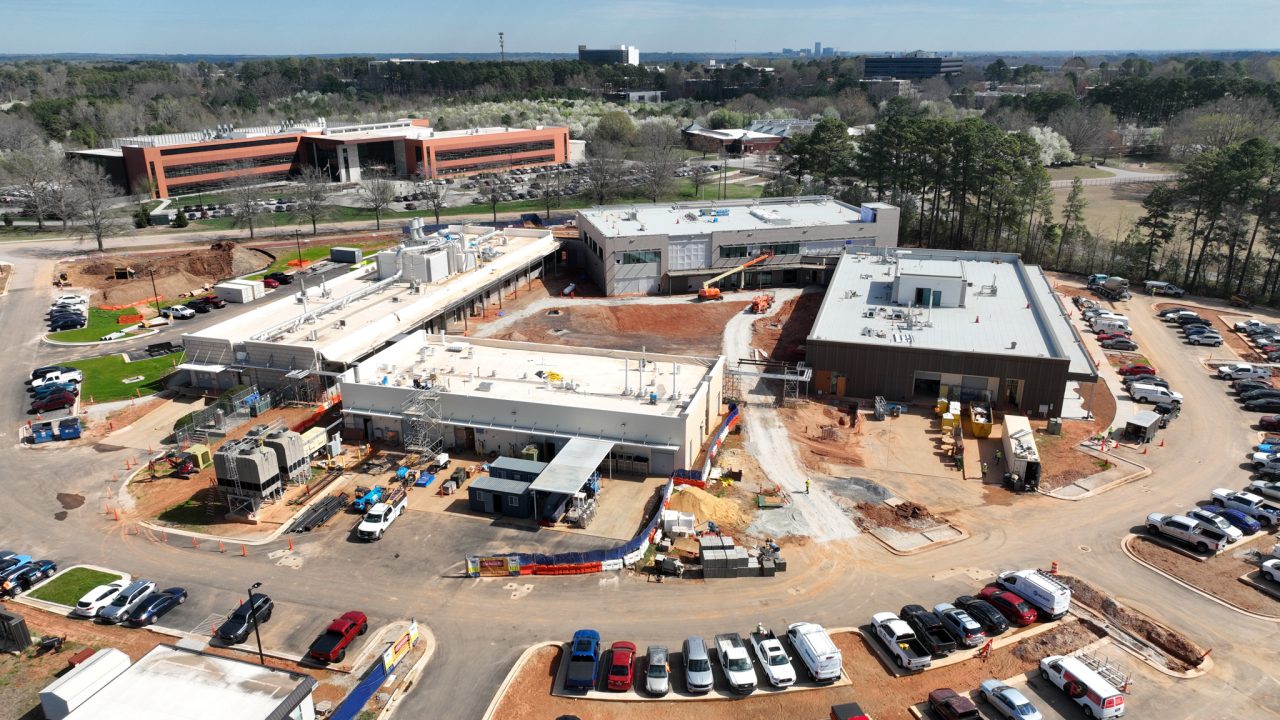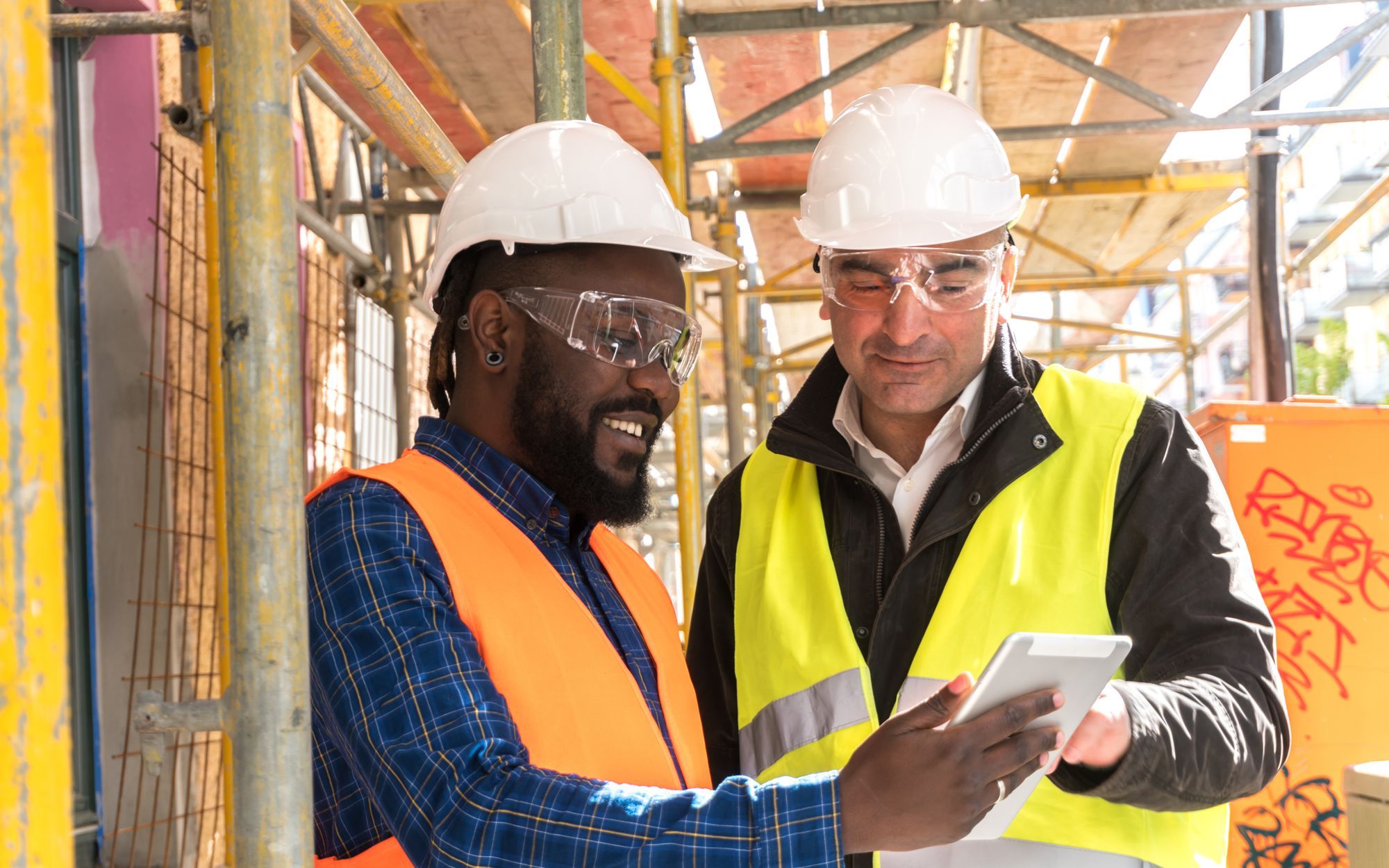
A construction site is a place where work gets done. Dozens, if not hundreds, of hands come together to accomplish great feats and contribute to something that hopefully will stand the test of time. Accomplishing anything that impressive is sure to be a complicated undertaking that requires work from many people to make it happen. As anyone who has spent any time working on complex projects knows, the more complex a project, the more opportunities there are for something to go wrong.
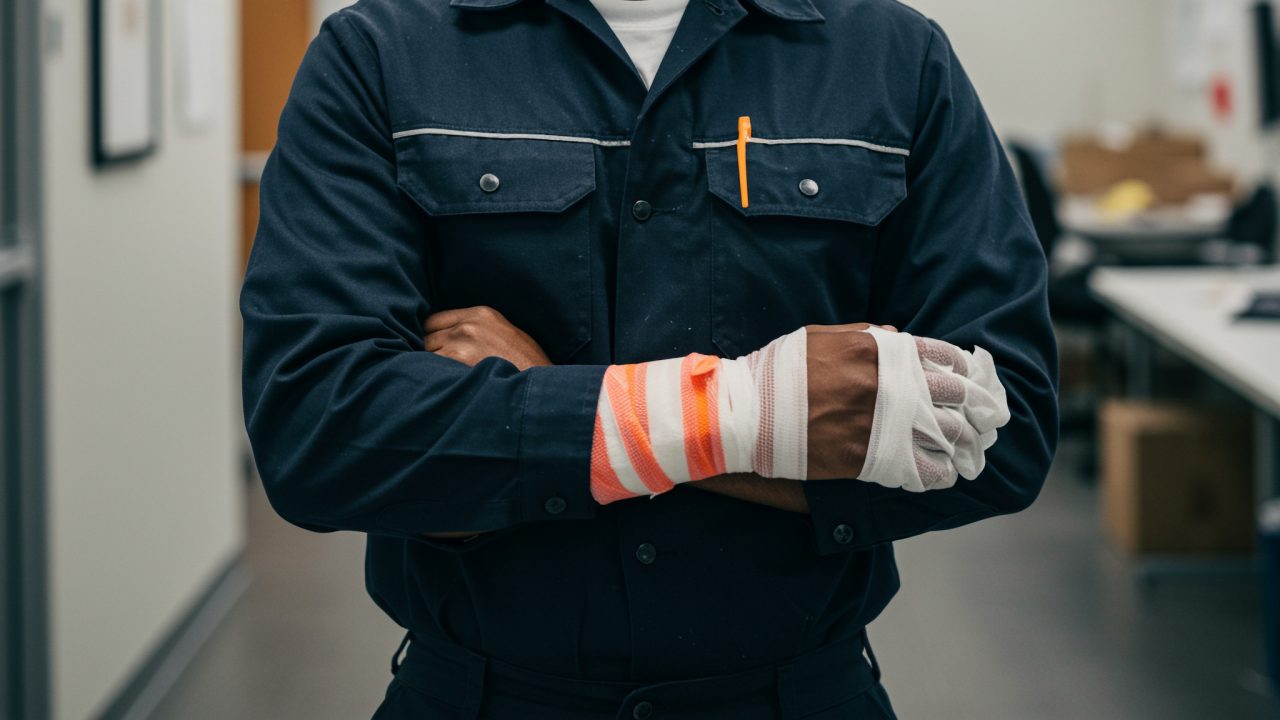
On a jobsite, any mistake can lead to catastrophic consequences not only for the project but for the men and women who lend their efforts to building it. Although accidents are bound to happen — simply due of the sheer complexity of everything that needs to be accomplished and the number of moving parts — the majority of accidents that occur on construction sites are preventable.
Building a Culture of Safety
Preventing accidents that can lead to lost time or worse means everyone from the jobsite to the front office needs to work toward building a culture of safety throughout the project. Just as many hands must work toward the ultimate goal of a successful construction project, those hands also must achieve the just-as-important goal of ensuring that everyone goes home safely at the end of the day. That means creating and adhering to a strict set of safety protocols of which all employees throughout the project need to be aware and reminded of on a regular basis.
Essential Elements of a Safe JobSite
Preparation and discipline are the two most important elements for preventing accidents on the jobsite. Preparation means establishing the rules everyone needs to follow while working, and discipline means holding people responsible for sticking to those rules. This can be challenging due to the sheer volume of opportunities for accidents on the jobsite.
Even something as seemingly simple as hammering a nail creates a number of ways in which an injury or accident could occur. The worker may develop a repetitive stress injury by not stopping for a rest periodically. Failing to visually inspect the hammer before use could mean the worker unknowingly uses a defective tool that could break. If the worker isn’t wearing safety gloves or goggles, he or she could be at risk for injuries. With so much to keep track of to work safely, it can be easy for workers to forget about their responsibilities.
The Foundation of Safety
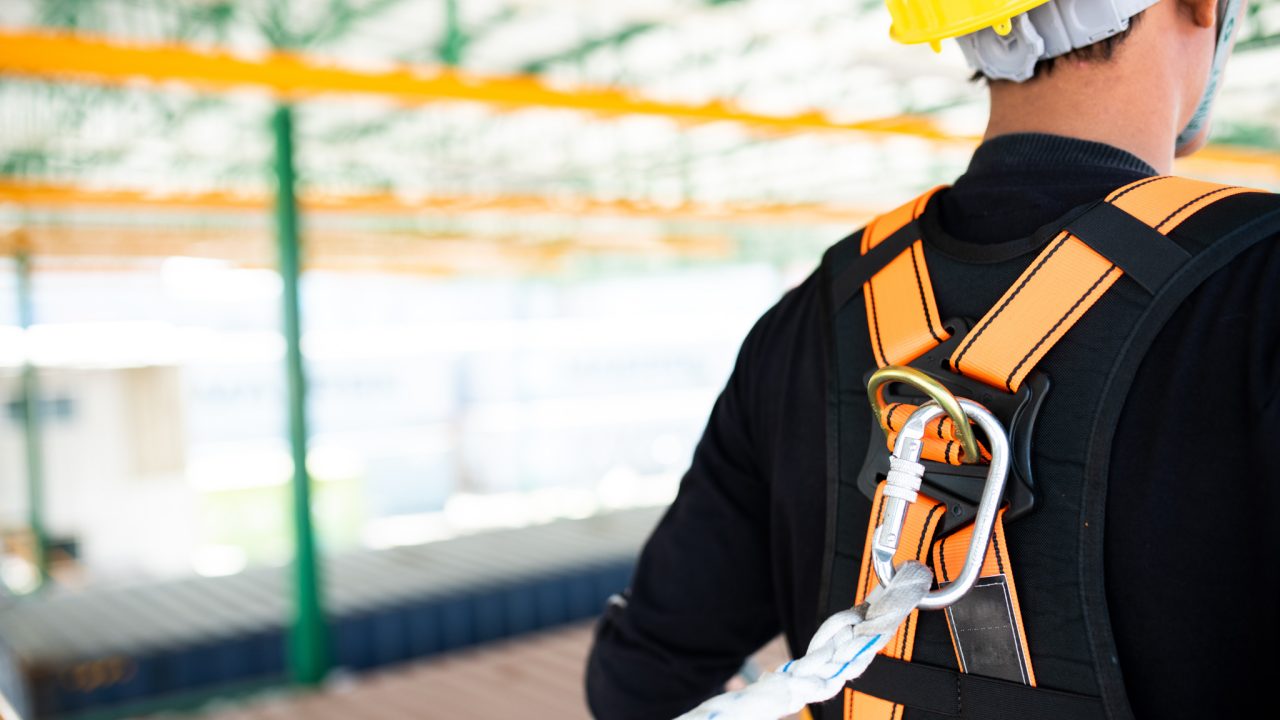
This is especially hazardous on the construction site, where workers are expected to deal with dangerous equipment and hazardous materials in tight spaces and at extreme heights. Workers must concentrate not only on getting their work done, but they also must be aware of their surroundings and follow the proper safety protocols. This is why building a safer jobsite needs to be more involved than simply creating a list of safety procedures. Those procedures need to form the basis for a culture of safety that is ingrained in every element of the working day. Workers need to be aware of what constitutes safe behavior on the jobsite, but they also must be able to live that behavior as if it were second nature.
An Industrial Workplace Safety Checklist can serve as the blueprint for a safer construction site, but it requires the full participation of everyone involved in the project to make that goal a reality.