What We Learned in July
Construction spending has been declining for several months, yet industrywide employment continues to grow, backlog increased in June and ABC members remain relatively confident about the future. Despite that optimism, the industry faces many headwinds including higher interest rates and tight lending standards, economic uncertainty and emerging materials price escalation.
Nonresidential Construction Spending Continues to Slide
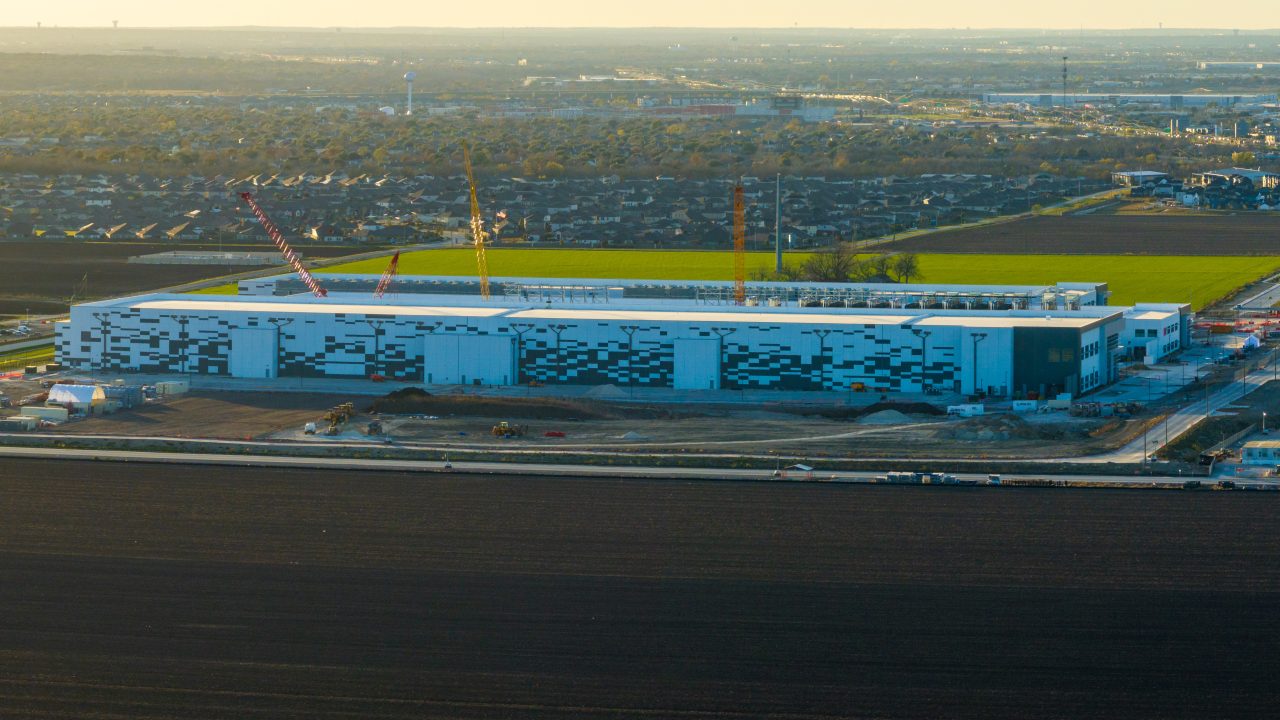
Nonresidential construction spending declined for a fourth consecutive month in May, and private sector activity has been particularly weak, contracting by nearly 4% over the past year. Manufacturing investment, which propelled overall nonresidential spending to record highs over the past few years, has begun to decline and is now down more than 5% from the August 2024 peak. With the exception of data centers, there are few nonresidential categories with momentum.
Input Prices Continue to Escalate
Construction input price escalation has accelerated in 2025 after remaining tame for most of 2023 and 2024. That is especially true for nonresidential construction inputs which have risen at a 6% annualized rate through the first half of the year. With elevated tariffs on many relevant materials just taking effect, prices will likely continue to rise over the next few quarters.
Overall Employment Expands Even as Hiring Slows
Construction industry employment increased by 15,000 positions in June, about two-thirds of which were in the nonresidential segment. While industrywide employment growth remains at healthy levels, contractors have slowed the pace at which they both hire and fire workers, and there are signs of slowing labor demand. Construction job openings are down by 35%, or 130,000 positions, over the past 12 months.
Backlog Rebounds, Contractors Still Confident
ABC’s Construction Backlog Indicator rebounded to 8.7 months in June, up 0.3 months on both a monthly and yearly basis. While contractors’ confidence remains elevated, according to ABC’s Construction Confidence Index, approximately one in five contractors reported having a project delayed or cancelled due to tariffs in June.
Looking Ahead
Uncertainty remains elevated, construction spending has slipped and materials prices are starting to rise. Even so, contractors remain relatively optimistic about the second half of 2025. While the Federal Reserve is unlikely to lower rates at its July meeting, lower borrowing costs at some point in the fourth quarter would provide a much-needed boost to construction activity.

SEE ALSO: ‘IT’S ALL GOING TO WORK OUT FOR AMERICA’: ANIRBAN BASU ON MID-YEAR CONSTRUCTION ECONOMIC FORECAST