Many construction jobsites see a significant decrease in activity when the cold hits. Winter weather causes delays in delivery of materials, makes the jobsite unsafe and generally makes a mess of things. Jobsite cameras can be a huge benefit to construction companies that keep them deployed during winter months even when there is not a lot of activity on the jobsite.
According to the National Oceanic and Atmospheric Administration (NOAA), there is a better than 50 percent chance that the weather pattern known as La Nina could emerge again in this year. If that is the case, it will mean colder and wetter conditions for the northern tier of the U.S. It could also cause jobsites to become more hazardous due to accumulation of snow and ice.
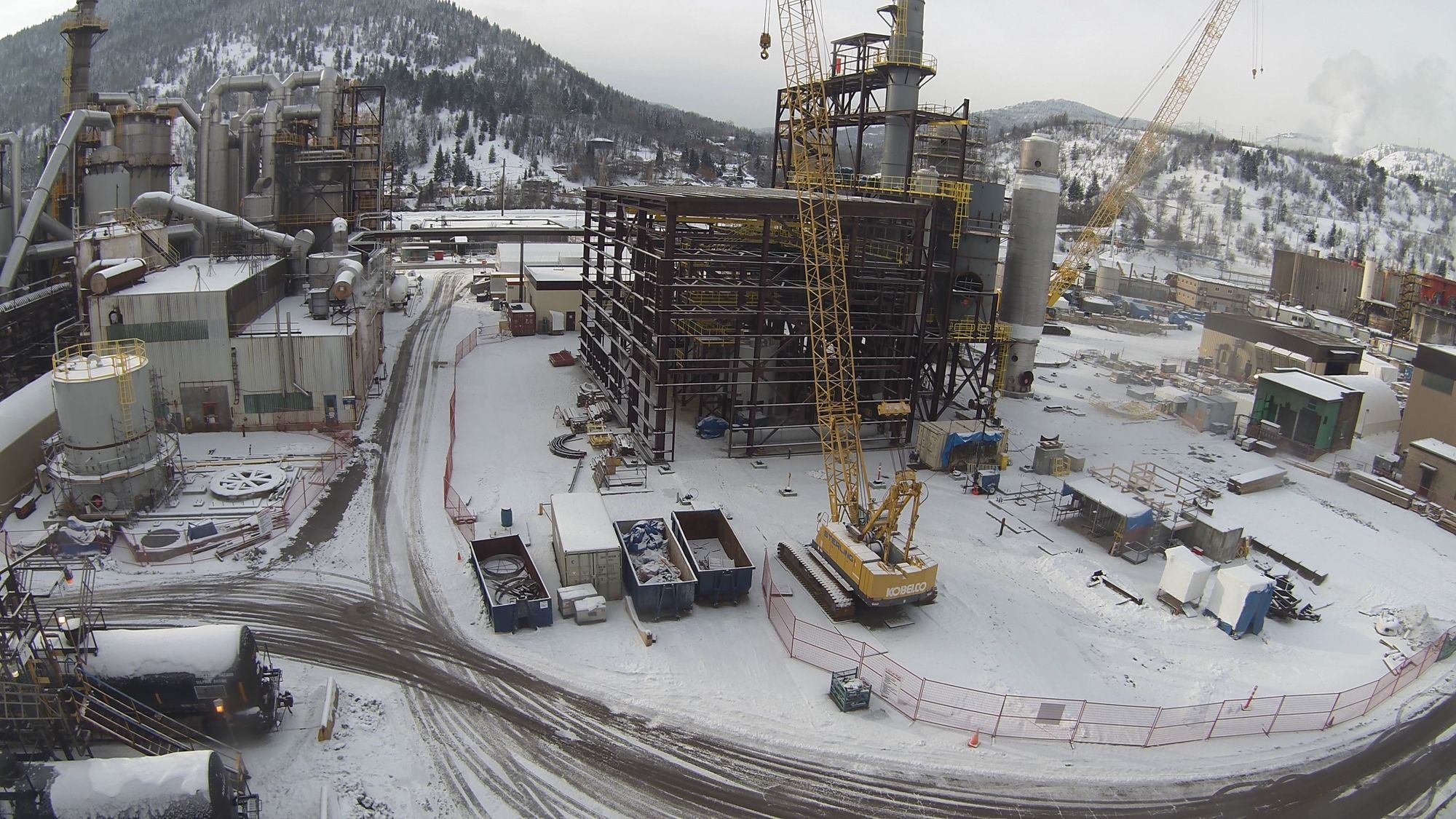
Some construction companies may not think about keeping jobsite cameras on when the weather gets cold and progress slows down on the site, but experience shows that keeping the jobsite monitoring cameras operating throughout the winter is not only a good idea, it could be a game changer. Time lapse footage from a camera can show weather impacts on a jobsite and confirm or refute claims of delays on a project.
Weather and safety
Keeping jobsite cameras deployed throughout the winter can give construction jobsite managers a unique insight into weather and how it affects safety:
- Capture specific weather impacts. Jobsite cameras can serve to capture and document localized weather phenomenon on a construction site. Having eyes on the site helps the project managers know the impact that weather is having on progress even if the site is remotely located away from the home office. It’s also important to have adequate battery backup for the cameras in case of long periods of severe weather.
- Monitor day-to-day progress and safety. Daily updates on progress are vital to keeping projects on schedule, and jobsite cameras can help with providing a visual check on how things are going. A camera with a time-lapse feature can be particularly helpful when winter weather is involved by providing a visual snapshot of the effects of weather on the site. When it comes to safety, jobsite cameras can be used to check on snow and ice removal prior to work beginning. Also, cameras can keep an eye out for any fire pits getting too close to construction materials.
Security and legal
Jobsite cameras are also great at monitoring safety and settling any potential disputes on the project. In winter, longer hours of darkness can attract thieves to construction sites. Keeping cameras deployed can help with deterrence and possibly solving any theft issues. If disputes erupt during the course of a project, cameras can provide proof of delays or documentation that procedures were followed. They can also be brought to bear if a workplace injury is in dispute due to a slip or fall.
The all-weather capabilities of jobsite cameras can be indispensable for construction managers in colder regions. Even if the project location is inaccessible due to heavy snow, jobsite monitoring cameras can document any unusual activity on the site or significant weather impacts. With digital evidence, settling a dispute about delays on a project becomes a lot more manageable.