It’s no surprise that construction is a dangerous industry. Growing at a steady pace with no signs of slowing down any time soon, the need to monitor sub-contractors, employees, safety and compliance is becoming increasingly demanding in the industry. The changes in OSHA regulations, the increase in construction site accidents and with the lack of a qualified workforce, the construction industry needs to embrace technology to help mitigate risk. It’s the only way to promote a safe working environment for employees and partners.
Finding technology to meet the demands of construction has always been a challenge. Prior to the tablet and smartphone, companies relied on standard desktops and laptops to assist with the day-to-day operations. Information was logged into a computer and later reviewed or exported to a network server. The process was very manual, and the efficiency was obviously lacking. However, that has all changed.
With new cutting-edge technology becoming more mobile, less expensive and more accessible, the introduction of a Risk Management Information System (RMIS) is becoming more of a reality than ever before. Now contractors, vendors, policies, employees and projects can be easily managed and monitored while on a jobsite – or from anywhere in the world. The use of public and private clouds has made it more affordable to provide effective solutions and storage options to house vital information for a fraction of the cost from just a few years ago. Competing cloud services has definitely worked in the favor of the consumer, from private to commercial use.
In 2017, there were more than five billion registered mobile devices in the world. Taking advantage of mobile connectivity is extremely effective, and not just for the construction industry. When using RMIS along with cutting edge technology, construction companies can manage multiple aspects of a project all in real time. Here are a few areas where RMIS can make an immediate impact on saving construction companies on their total cost of risk.
1. Managing Subcontractor Insurance Requirements. Using an RMIS to manage subcontractors is an effective way to ensure insurance requirements are being met. With RMIS, companies can easily create risk profiles outlining the insurance requirements. Contractors can create automated web portals to allow subcontractors to enter their insurance information, including the ability to attach documents such as a copy of their accord form(s), contracts or license agreements — all in real time. Through the use of automated tools, subcontractors can be informed via email or text that their submission has been accepted or denied based on deficiencies outlined in a pre-formatted email.
2. Incident Intake. Unfortunately, accidents, incidents and near misses are common in the construction industry. Through the use of a RMIS, incidents can be reported and logged in real time from any location, including GPS coordinates. Information can easily be emailed to a safety manager or any third party, and the information collected can help identify workflow actions and analysis. Using a mobile device while on a job site allows users to capture pictures and videos, which can be attached to any record within the system for review, distribution or even future training sessions.
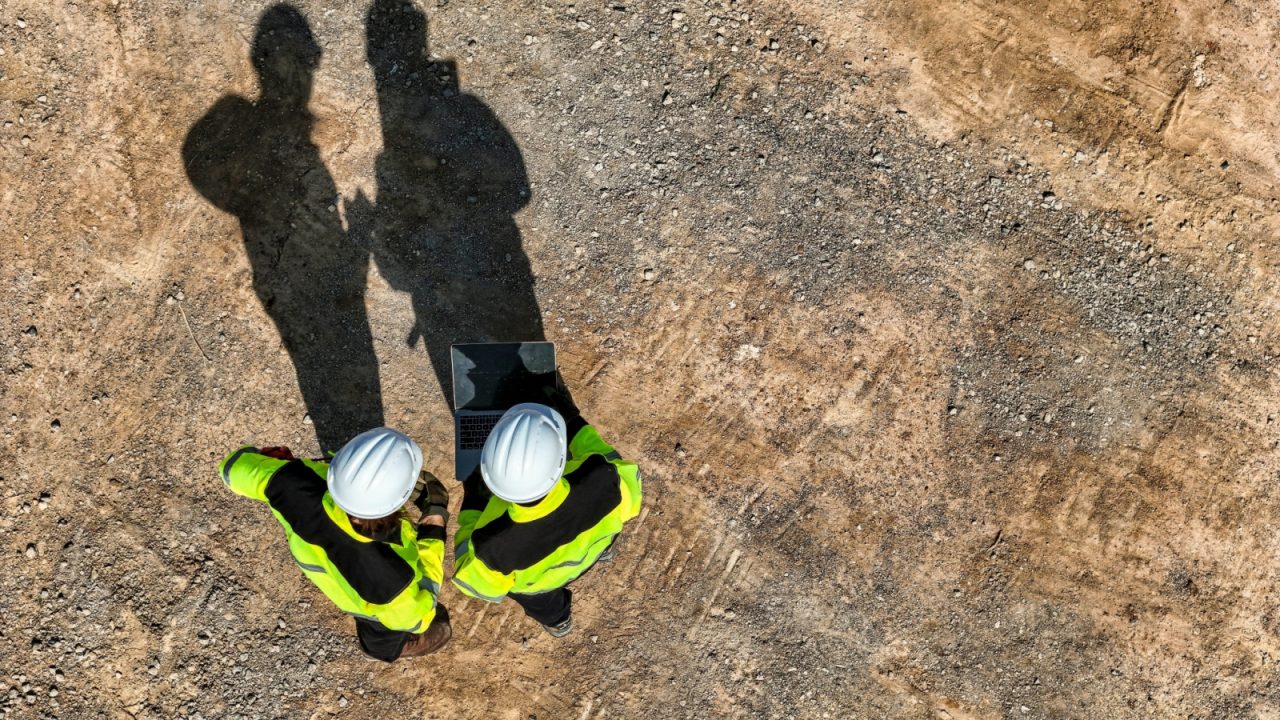
3. Managing Projects. Managing a project contains a number of moving parts. RMIS allows project managers to track specific locations and projects on a 24×7 basis. RMIS allows drill-down capabilities to a specific site, which can also allow users to link subcontractors, employees, developers and other vendors to a specific location. It allows them to track and manage multiple types of projects such as residential, building, highway and much more. In addition, users can track OSHA recordable information, policies and documents specific to any one or multiple projects or locations. This information can also be used to allocate costs across projects or locations quickly and accurately.
4. Safety Audits and Inspections. Help maintain safety and OSHA compliance by utilizing an RMIS audit tool. Replace the clipboard for a mobile device containing electronic forms which can be inputted directly on site, and in real time. Making notes, taking pictures or creating follow up tasks can be performed directly from a jobsite as well, eliminating the need to converting hand-written notes into a word document or any other electronic format. Corrective actions can also be generated and assigned to an individual through completion. Audits also allow safety personnel to conduct accident investigations and site inspections — all in real time. Based on the outcome of an inspection, personnel can receive immediate results generating further review or to initiate additional training.
5. Training and Certifications. RMIS allows construction companies to create safety training and certification programs that are specific to a group of employees or an entire organization. They can receive automated reminders on training renewal dates or certifications and can manage compliance to determine if training is reducing claim frequency or severity. RMIS also links incident and claim activity directly to an employee or location.
6. Policies. Trying to manage multiple coverages and policies for construction projects can be time consuming and difficult. Failure to keep policy information current can be costly and disastrous for any contractor. To avoid potential coverage risks and penalties, RMIS can manage multiple policies by specific projects or coverage types such as owner-controlled insurance program, commercial general liability, builders’ risk, workers’ compensation and many more. By entering detailed policy information such as effective dates, sub-coverages, premiums and layer types, notifications and alerts can be configured based on criteria configured within the system. Premium and cost allocations can also be spread across single or multiple projects saving time and money.
The failure to maintain vital project information in a secure platform can cause a cascade of issues far beyond any construction project. While construction continues to see a boom in its industry, having an effective RMIS tool to help maintain day-to-day operations and insurance programs will bring value to not just a construction company, but to all parties involved. The partnership between RMIS and future technology will help streamline many processes, while creating a safer work environment and protecting the company’s bottom line.