The recent climate summit in New York made headlines around the world, not only because of the passionate speech by young activist Greta Thunberg, but due to the crucial changes needed by businesses to lower their carbon footprint.
According to the World Resources Institute, buildings account for one-third of all emissions and the operation of buildings alone accounts for 28% of energy-related CO2 emissions, making them among the largest contributors to climate change. That is why the construction industry globally is being tasked to honor new commitments for low-emission buildings, sustainable and resilient urban infrastructure, along with transformation of the cement industry.
So what does this mean for the construction industry in the United States? The bottom line is that contractors will most likely be under obligation to build more energy efficient buildings using materials that are eco-friendly. Let’s take a look at some of the most innovative building materials being introduced and how they can help lower emissions.
Concrete
According to some architects, concrete may have to be abandoned altogether. Four billion tons of concrete are produced for construction each year, accounting for 8% of the world’s carbon dioxide emissions. A new alternative is self-healing concrete which uses water activated bacteria that produces calcite to heal cracks and has a 200-year lifespan. An alternative option is compressed-earth bricks and another is biocomposite materials, which are formed out of natural fibers embedded in a matrix. Hempcrete, for instance, is a biocomposite of hemp and lime that is actually carbon negative since hemp absorbs CO2 as it grows.
Steel
MIT scientist have developed a sponge like 3D Graphene that is only 5% of the density of steel yet is 10 times stronger. The team says that in addition to creating 3D graphene structures, the technology could be applied to other materials ranging from polymers to structural concrete and would not only produce structures that are stronger and lighter, but have better insulating properties. In addition, the porous structures could be used in filtration systems for water or chemical plants.
Spider silk is another alternative that is stronger than steel and 98% water; ideal for acoustic building tiles and labs.
Bricks
Wool brick, which is fused with wool and seaweed polymer, offers 37% more strength than earth brick. There are also pollution absorbing bricks, which are able to filter 30% of fine pollutants and 100% of coarse pollutants. By releasing filtered air they offer self-sustaining ventilation or green buildings. Greenhouse gases from firing traditional bricks will be reduced by using alternative types of bricks.
Timber
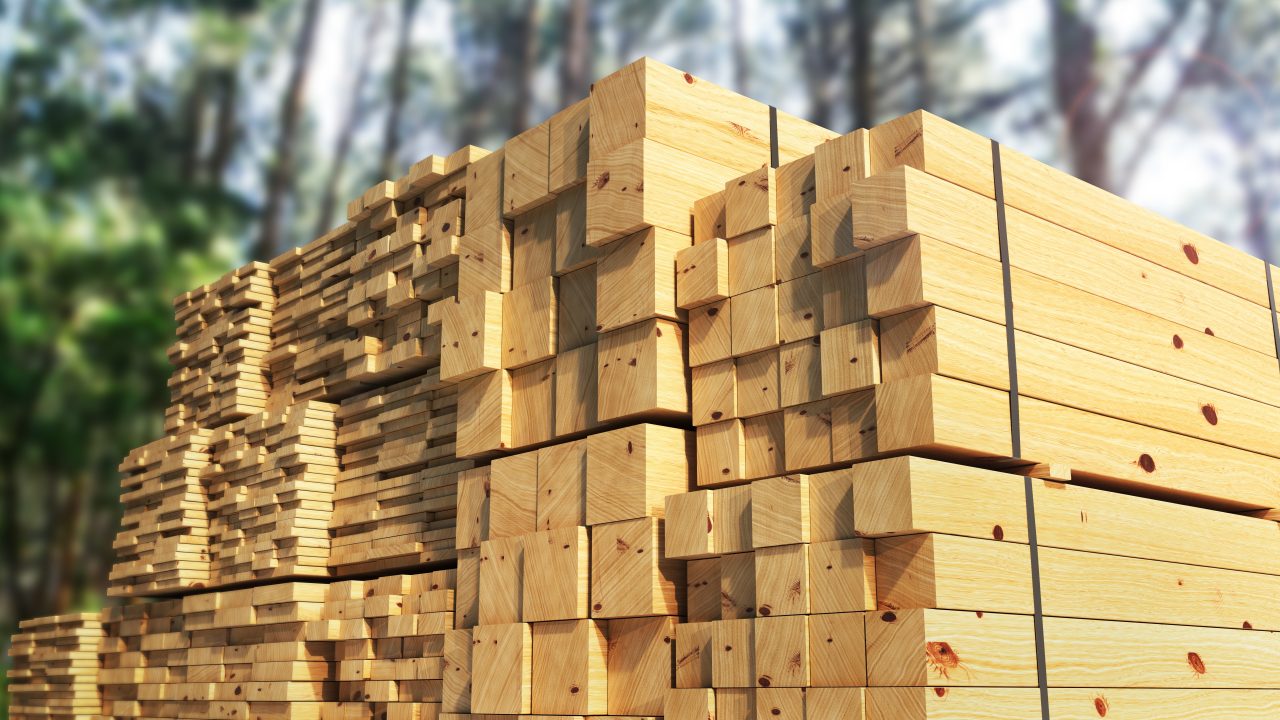
Laminated timber is hailed the wood of the future. It has higher water resistance and strength than traditional wood with potential to support skyscrapers and reduce 150 tons of carbon per story.
Windows
Translucent wood is 90% transparent. This color stripped wood has better insulation, strength and biodegradability. It is great for window glass replacement and natural indoor lighting.
Other new innovative materials
- Modular bamboo: Super sturdy and eco-friendly, this low cost fast growing material is ideal for building earthquake-resistant buildings and reinforcing steel bars.
- Transparent aluminum: Ceramic alloy that is 85% harder than sapphire and resistant to corrosion, radiation and oxidation.
- Microbial cellulose: Produced by a mixture of bacteria, yeast and microorganisms, this material can be used for signage and contemporary building facades.
- Aluminum foam: 100% recyclable foam that is made by injecting air with molten metal and ideal for cladding.
- Nano crystal for smart windows: This reduces HVAC costs because it allows natural light to pass through while blocking heat.
- Hydroceramics: This brings futuristic self-cooling walls. A membrane made of ceramic fabric and hydrogels that can absorb up to 400 times its volume in water. It cools buildings and saves 28% in AC electric costs.
- Biochar: This is a waste product material with high insulation qualities, produced when tree debris is burned in pyrolysis kilns. Provides more sustainable and self-reliant buildings.
Human Benefits
In addition, green buildings have human benefits as well, including people’s well-being, satisfaction, engagement and productivity.
A study by UCLA found that buildings with green certifications have employees who are 16% more productive, while a study by Harvard School of Health showed that staff in green buildings were 44% better at making decisions that achieve workplace goals.
Furthermore, buildings with low VOC and high ventilation were found to help staff strategize under pressure while people working in green buildings reported 30% fewer symptoms of “sick building” syndrome such as headaches and respiratory problems. One theory for improved performance is that buildings designed to maximize daylight help mental health.
And finally, companies investing in a green building may find is also good for recruitment and revenue with 205 better staff attraction, and retention and employees more inclined to bring visitors after indoor air quality is improved.
Whether or not you’re an eco-warrior, contractors will have to make serious changes to keep a competitive edge and help with the emissions battle.