As the COVID-19 health and economic crisis continues to impact businesses and communities throughout the country, Democrats and Republicans in Congress were unable to come to an agreement on a wide ranging deal meant to provide additional federal relief to address the economic impact of the pandemic.
Negotiations were led by House Speaker Nancy Pelosi, Sen. Chuck Schumer, Secretary of the Treasury Steve Mnuchin and White House Chief of Staff Mark Meadows. With a deadline of expiring unemployment insurance for roughly 30 million Americans, the expiration of the availability of Paycheck Protection Program loans for small businesses on Aug. 8, and the annual August recess, many in Washington and across the country saw a relief package as the last remaining chance to pass major legislation to further address the ongoing pandemic before the November elections.
A deal, however, remained elusive and talks fell apart during the first week of August, after which the White House took steps to address relief via executive order.
While it would have seemed unthinkable a year ago for Democrats to walk away from a $1 trillion spending proposal, Democratic leadership did not believe that concessions from Republicans were sufficient, and refused to back down from their demands of a price tag of over $2 trillion for the package. With hundreds of billions of funds that were included in the CARES Act remaining unused, passing another multitrillion dollar relief package seemed unnecessary to many Republicans.
At issue between the two bills was the extension of federal unemployment assistance for millions of Americans, which had been set at 0 under the CARES Act, and the Democrats’ request for trillion in aid to states and local government, which has been criticized by many Republicans as a federal bailout of state funds.
The Senate GOP’s proposal in late July contained liability protection to prevent lawsuits against construction businesses, critical modifications and extension of the Paycheck Protection Program and the expansion of the Employee Retention Tax Credit that could have maintained employment for many Americans.
During negotiations, however, Democrats rejected a short-term offer from the White House to extend the $600 federal supplement for unemployment insurance, and Senate Democrats voted down a proposal from Senator Rob Portman, R-Ohio, to extend the benefits for an additional week while negotiations continued, opposing piecemeal measures to address the crisis. Republicans also offered additional flexibility for states and local governments receiving, $150 billion in existing funds that was provided under the $2.2 trillion CARES Act.
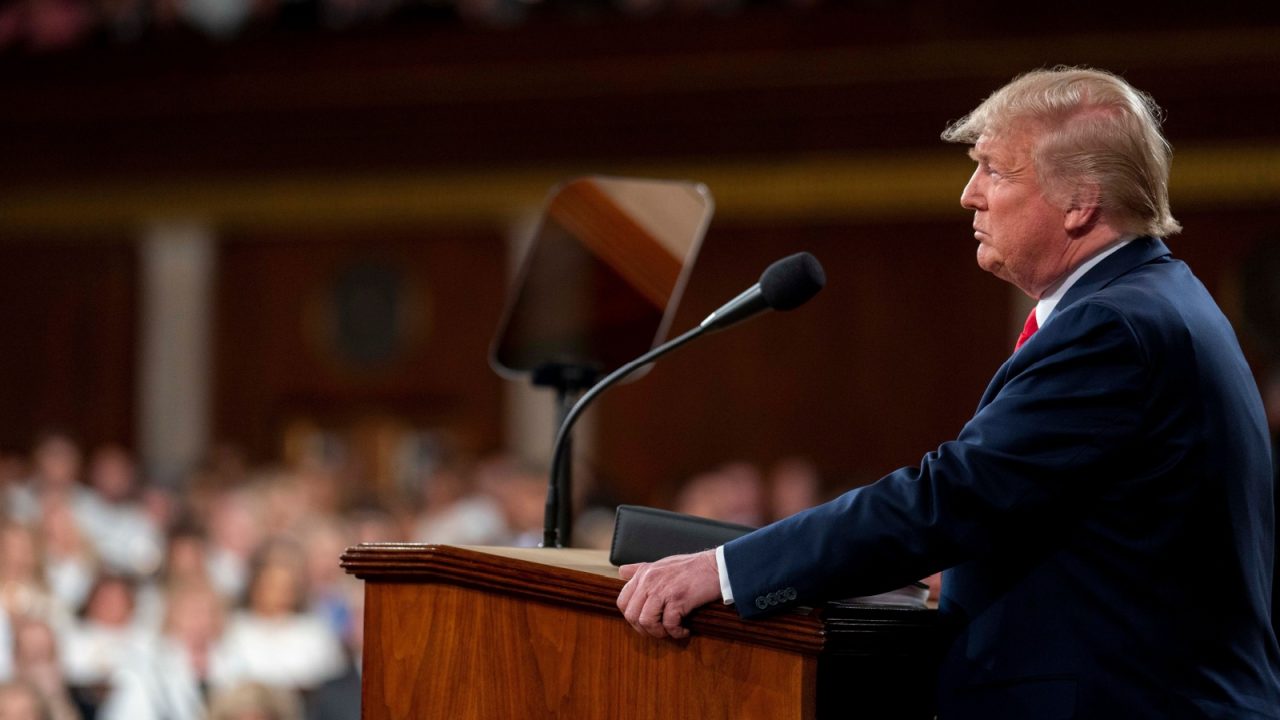
While Sec. Mnuchin had been able to reach agreements with Democrats in the past, including the CARES Act, negotiations hit an impasse and, with the 2020 election cycle ramping up and members leaving town for the August recess, the president opted to take unilateral action in an attempt to provide continued support for businesses and their employees.
The president’s executive orders, as written, seek to provide expanded federal unemployment benefits up to $400 per week, a temporary suspension of the collection of payroll taxes for individuals making less than $104K per year, eviction protection and student-loan relief.
The orders could face legal challenges, though most Democrats have stopped short of calling the moves illegal and instead claim they will be inadequate to address the continuing needs of the country. Additionally, the impact of these orders will play out over the coming weeks, while the administration’s suspension of the payroll tax has already resulted in confusion among employers as only Congress can eliminate the requirement to repay the suspended tax, which could leave businesses with a significant tax payment due when the relief expires.
Remaining concerns for the construction industry will be the elapsed Paycheck Protection Program that ended loans for businesses on Aug. 8; the lack of critical fixes to the program, including tax deductibility for construction businesses that received the loans; and liability protections for businesses to prevent lawsuits related to COVID-19.
While Members of Congress have had the majority of August to return to their home districts and states, they will return in September facing must-pass legislation to prevent a government shutdown at the end of the month. Both sides of the aisle have stated their intention to keep COVID relief negotiations away from the annual appropriations process, and neither Republicans or Democrats want a government shutdown amid a pandemic. However, the spending bill could be used as a vehicle by either side to push their priorities in responding to the crisis.