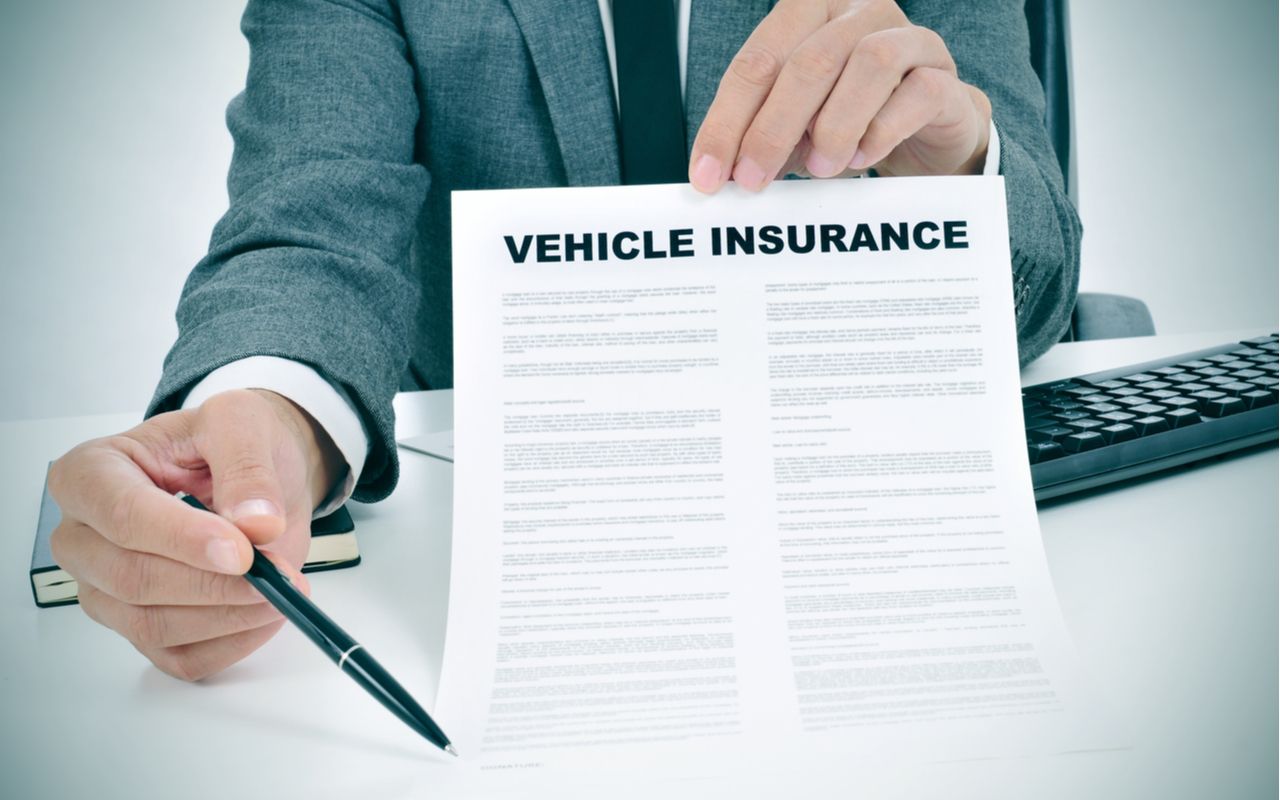
Any company that owns vehicles will likely need commercial auto insurance. This type of policy is designed to address different kinds of risks, including injuries, fatalities or property damage resulting from an accident for which an employee is at fault.
Commercial auto insurance can cover many types of business vehicles, including:
- cars;
- pickup trucks;
- box trucks;
- flatbed trucks;
- dump trucks;
- truck tractors;
- delivery/cargo vans;
- SUVs; and
- dry van trailers.
It is important to note that personal auto insurance—whether a company policy or the policies of employees—typically doesn’t cover the use of vehicles for things such as the for-hire transport of goods. If an incident related to this kind of work activity occurs in a business-owned vehicle and the company doesn’t have commercial auto insurance, the business may be left with a large financial burden.
Six Commercial Auto Insurance Coverage Examples
How, specifically, does commercial auto insurance protect a business? Below are six real-world examples for some of the different provisions of a policy:
- Bodily Injury Liability Coverage. An employee driving a company truck to pick up materials from a supplier is distracted by an incoming text message and runs a red light. The truck collides with a car that has the right of way, and the driver of that vehicle suffers a broken arm and lacerations. The employee is found to be at fault, and the business is required to pay more than $27,000 in medical bills, court fees and other costs.
- Property Damage Liability. A work crew member backing a cargo van into an office complex garage hits the door frame. Both the garage door track and the adjacent brickwork are damaged. In addition, falling bricks destroy equipment stored in the garage. Both the garage door company and a contractor have to make separate repairs, and the equipment must be replaced. The total cost of the incident is more than $12,500.
- Personal Injury Coverage. While driving a company car to a building materials store in icy conditions, an employee loses control of the vehicle. The car slides off the road into a tree. A branch breaks the front passenger-side window, injuring a coworker. The injuries require stitches and subsequent oral surgery, along with bills that approach $15,000.
- Uninsured Motorist Coverage. The company CEO is driving to a jobsite from the office, when another driver swerves in front of them, clipping the front bumper in the process. The CEO’s vehicle is forced off the roadway and into a ditch, and a passenger suffers significant injuries. The other driver flees the scene, leaving the business with the $7,800 bill for a trip to the emergency room.
- Comprehensive Physical Damage Coverage. Thieves break into several company vehicles parked behind the company office building. The cars and trucks are empty, but the thieves vandalize them, slash seats and tires, and break windshields. The total cost to repair the fleet of vehicles is nearly $100,000.
- Collision Coverage. An employee is towing a small box trailer behind a company pickup in a storm. A gust of wind tears the trailer off the hitch and throws it on its side, causing major damage. Repairing the walls, axle and other parts of the trailer costs approximately $5,000.
Fortunately, commercial auto insurance can cover these types of incidents, meaning the business isn’t stuck with a hefty out-of-pocket expense.
Common Commercial Auto Insurance Exclusions
Commercial auto insurance provides protection from a wide range of risks. However, as with any type of insurance, there are certain exclusions, which typically include:
- intended property damage or injuries—or those that could be reasonably expected to occur;
- injuries to employees covered under workers’ compensation insurance;
- vehicles that the business uses but does not own; and
- mobile equipment, such as forklifts and cranes.
Consequently, it is important to get specific information from the insurance provider about what the company’s policy covers and what it does not cover.
Hired and Non-Owned Auto Liability Coverage
If the company uses vehicles not owned by the business for work purposes, insurance is available for them. What is called hired and non-owned auto liability coverage can be added to insurance like a general liability policy or a business owners policy (or BOP).
Consider this type of coverage if the company uses rented or leased vehicles. For instance, if rather than owning a cargo van, the company rents one to drop off materials at jobsites, hired and non-owned auto liability can cover the use of that vehicle.
Other Important Commercial Auto Insurance Considerations
In researching commercial auto insurance, there are some key questions to ask to ensure the right coverage. For example, business owners all want to know what the insurance will cost, of course. Along those same lines, it is important to find out how past accidents and claims will affect the cost of a new policy. Also, items stolen from insured vehicles typically are not covered, but it is a good idea to get specifics on that.
Whatever types and amounts of coverage are right for the business, it’s good to know everyone in the company driving company owner or leased vehicles are properly protected.