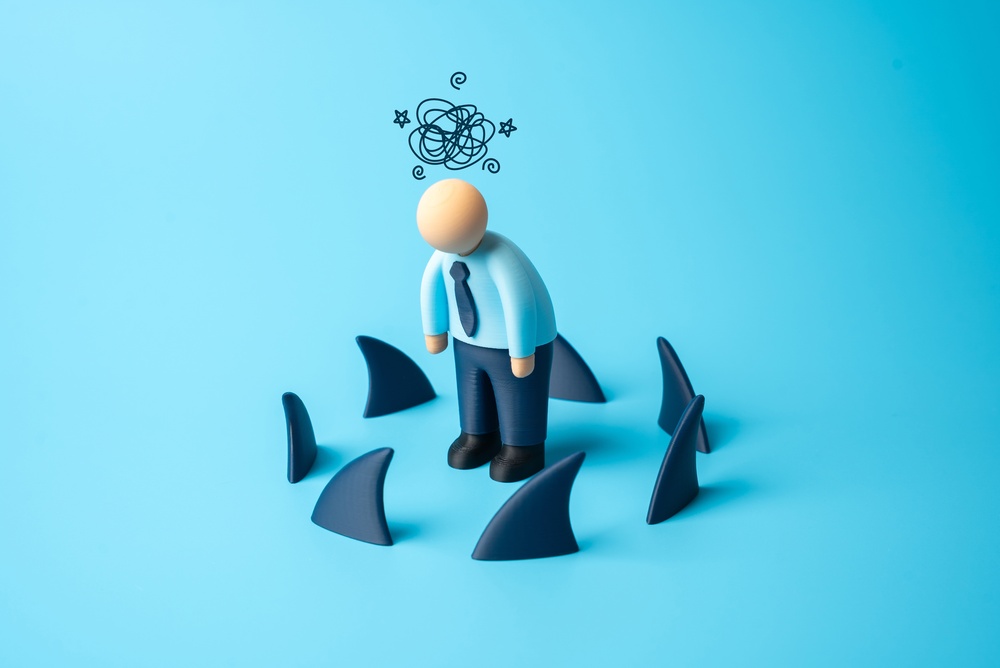
Construction is facing a silent pandemic: Mental-health struggles abound in an industry that, for all its positives, poses uniquely disruptive challenges such as long hours, excessive travel, tight budgets and timelines, and a reputation for putting on a brave face—all of which can negatively impact worker wellbeing.
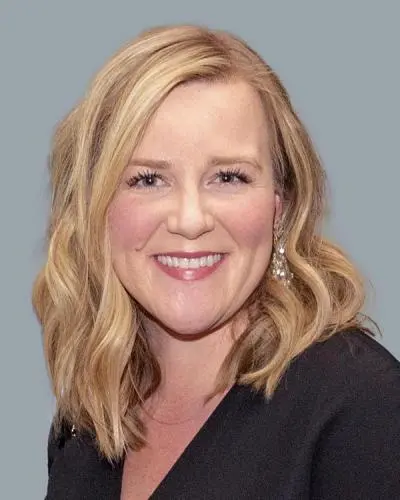
It’s a complex issue, each case as unique as the individual who is struggling with it. But ask Fred Mills, founder of leading construction video publisher The B1M, and the solution is quite simple: Just get talking.
In his own words, Mills says that on paper he is “the guy who has it all—an amazing wife, beautiful children, lovely home,” so he was taken by surprise when he found himself in the throes of deep depression roughly five years ago. “I felt incredibly lonely because I didn’t really feel I could talk to anyone about it. And I didn’t feel anyone was really noticing it either,” he says. The turning point in his recovery was deciding to publicly share his struggle on stage at an industry conference. And in doing so, he realized he really wasn’t alone at all.
Since then, Mills has become a passionate advocate for encouraging the construction industry to get real when it comes to mental-health issues. In partnership with Procore Technologies, in 2023 he founded Get Construction Talking, a nonprofit dedicated to opening up conversations about mental health in construction, sharing mental-health resources and working to raise $1 million to support established construction mental-health charities:
– Construction Industry Alliance for Suicide Prevention (U.S.)
– Lighthouse Construction Industry Charity (U.K. and Ireland)
– Construction Sport (U.K.)
– Mates in Mind (U.K.)
– Mates in Construction (Australia and New Zealand)
Mills recently sat down with Construction Executive to share more about his journey, talk about what it was like to hit rock bottom and offer words of encouragement to those facing similar struggles.
Q: What drew you to the construction industry?
I used to love building things when I was growing up—playing with Legos, building dens in the garden, building pillow forts with my siblings. I guess I always kind of understood the ability of construction to enable things to happen, whether that was having fun playing with my siblings or, you know, the more grand vision of changing the world.
I followed my love for construction through school through university here in the U.K.
Q: Tell me about The B1M. How did that come to be?
When I first graduated and joined the [construction] industry, I found it was really misunderstood. My family and friends thought I’d gone to work in the trades on a bricklaying job, some other people I went to school with were going off to become bankers and lawyers and they couldn’t understand what I was doing. But what I was working on were these huge £100-million projects—schools, hospitals, you name it—that are really changing people’s lives.
The stereotypes and preconceived notions about construction were a lot more established than I realized. So I started putting some videos on YouTube in my spare time in the evenings and after work. They were self-made, self-edited and not very good, but they started to take on some traction.
I eventually got to a stage where I could go full-time in it, so I quit my job and launched the website the same month my son was born. My wife was properly annoyed at me, but I think she’s just about forgiven me now.
It wasn’t an overnight success—it was a real slog to get people to see this industry. But we’re fortunate now we’re in a stage where we have this extraordinary following: 30 million people watching each month, more than 3.4 million subscribers on YouTube, more than a billion views altogether, which is incredible.
Q: When did you first start feeling like your mental health was suffering?
I think when you look at my bio, you look at my life on the surface, it can all seem very rosy, very successful. But the truth is behind the scenes, I’m somebody who’s actually really struggled with their mental health, and especially on paper, that doesn’t make sense to lot of people.
When I was first struggling with depression about five years ago, I was really confused by it because I have my physical health, I have two amazing kids, I have an amazing wife, I have a nice house, I have a great business. I remember looking in the mirror and saying to myself, “What’s the matter with you?”
I started to understand that this can affect anybody. It doesn’t matter how successful you are or how great your life looks on paper. Depression is not a conscious choice. It’s a sickness that can affect anybody.
Q: So how did all of this lead to the formation of Get Construction Talking?
So, having been through what I’ve been through and then having built kind of this megaphone with The B1M, I wanted to use what I built to try and tackle an issue that is so prevalent in the industry that I love. So from there, the Get Construction Talking initiative came together.
We partnered with Procore, who really care about this issue. Their values are very much aligned with ours. So we took the best parts of what we both do, which is raising awareness and reaching lots of people, and we’re using that to break the stigma, get people talking about it and raise funds for the fantastic charities around the world that are doing such great work in this space.
Q: What’s your advice to people who are in this situation where, to the outside world, everything looks wonderful, but internally there is a huge struggle?
It’s a good question, and it’s hard. I’m a very different person, having been through what I’ve been through, and I’m a lot kinder to myself now. I think I would just tell people that It’s not something they should be scared of. Mental health can be treated just like physical health.
If you catch a cold, you deal with it for a bit and do the things you need to do to take care of yourself: rest, hydrate, etc. It’s the same with mental health. If you’re struggling, you need to do things to take care of yourself. Take a day off. Spend some time outdoors. Play a game with your family. Call a friend and just ask them to listen.
There’s an old saying that “a problem shared is a problem halved,” and that was very much true for me. It just takes a huge weight off your chest. Opening up about it doesn’t make you weaker—it actually makes you stronger.
Q: Why do you think that the mental-health crisis so disproportionately affects construction?
What I would say first is that there’s nothing wrong with people in construction. We have amazing people doing amazing things. We shape the world every day through this industry.
What we’ve done is taken those amazing people and put them in a set of circumstances where their mental health suffers. Look at the working hours, the travel distances, the pressure that comes with budgets and timelines. Then throw in the fact that the industry is incredibly male dominated, and often among men, we have a tendency to put a brave front on things to just keep going and not talk about our feelings. All of those factors come together and create a perfect cocktail of bad mental health.
Q: How do you get those people who are stuck in the “tough guy” mentality to actually talk?
It’s not easy and at the end of the day it’s a very individual choice. But I think what we need to do is change the environment those people are in. So if we can change the culture of the industry and make it okay to talk about these things, we stand a much bigger chance of people opening up and reaching out for help.
I think historically people have felt very isolated. They’ve felt like if they speak out, maybe they’ll be overlooked for a promotion. Or that they’ll be written off somehow as unstable. And we really need to get rid of that perception.
The main goal is to normalize the conversation, break the stigma and create that environment where people do feel more able to reach out for help.
Q: At the company level, if a contractor came to you today and asked where they should get started with promoting employee mental wellness, what would be your advice?
The biggest thing is to normalize the conversation and tell people it’s okay to talk about mental health. So that’s things like toolbox talks, site orientations, etc.
When you approach any project, you need to show that you’re thinking not just about physical safety, but mental safety as well. I think if you can show your employees that you care just as much about mental health as physical health, that’s how you’re really going to start getting people to believe it.