A Mid-Atlantic hotel had a high demand for room nights, so the contractor needed to fast-track the renovation, with a carefully planned program to minimize room outages. Part of the renovation process involved removing all the old vinyl wall covering (VWC) on the corridor and room walls, patching and repairing the underlying plaster with skim coats, and then allowing that to dry before installing the new VWC.
Unfortunately, mold was found growing behind the new VWC while renovations were still ongoing. The project was almost brought to a halt. This delay not only increased renovation costs due to unplanned remediation, but also extended room outages for the newly-renovated rooms.
Pink spots on the VWC often indicated the presence of mold on the plaster and skim coat behind the VWC. Exploratory holes cut into the plaster showed it was a solid wall without a cavity, and that it often backed up to bathroom tile inside the room. Both the VWC and the tile prevented drying of the wet-applied skim coat.
Room outage costs can quickly escalate into significant numbers during hotel room rehabs. In this particular situation, some room outage timeframes were being extended by 50%. Going from a four-week floor outage to a six-week floor outage would have increased lost revenue drastically—from $300,000 to $400,000 a week. Extending that loss over the 15 to 20 floors that made up this hotel would easily lead to seven-figure losses.
The project team, including the owner, project manager, contractor and designers, was desperately trying to determine how to safely move forward while still completing the room rehab. The team retained a consultant to guide the project back to a successful rehab. Their directions were clear: no protracted studies; they wanted the top good, better and best solutions with an explanation of pitfalls that they could use to make a decision before the consultant left the site—in less than three days.
THE PROBLEM AND CHALLENGE
There’s an assumption in the hotel industry that plaster walls are not susceptible to mold growth. It is true that mold growth is not seen as frequently on plaster walls as it is on gypsum wallboard, primarily because there are little to no nutrients to support mold growth. As a result, any mold growth on plaster walls is often not very visible or extensive, so most hotel owners and operators in this situation feel relatively safe from mold problems. But it can happen.
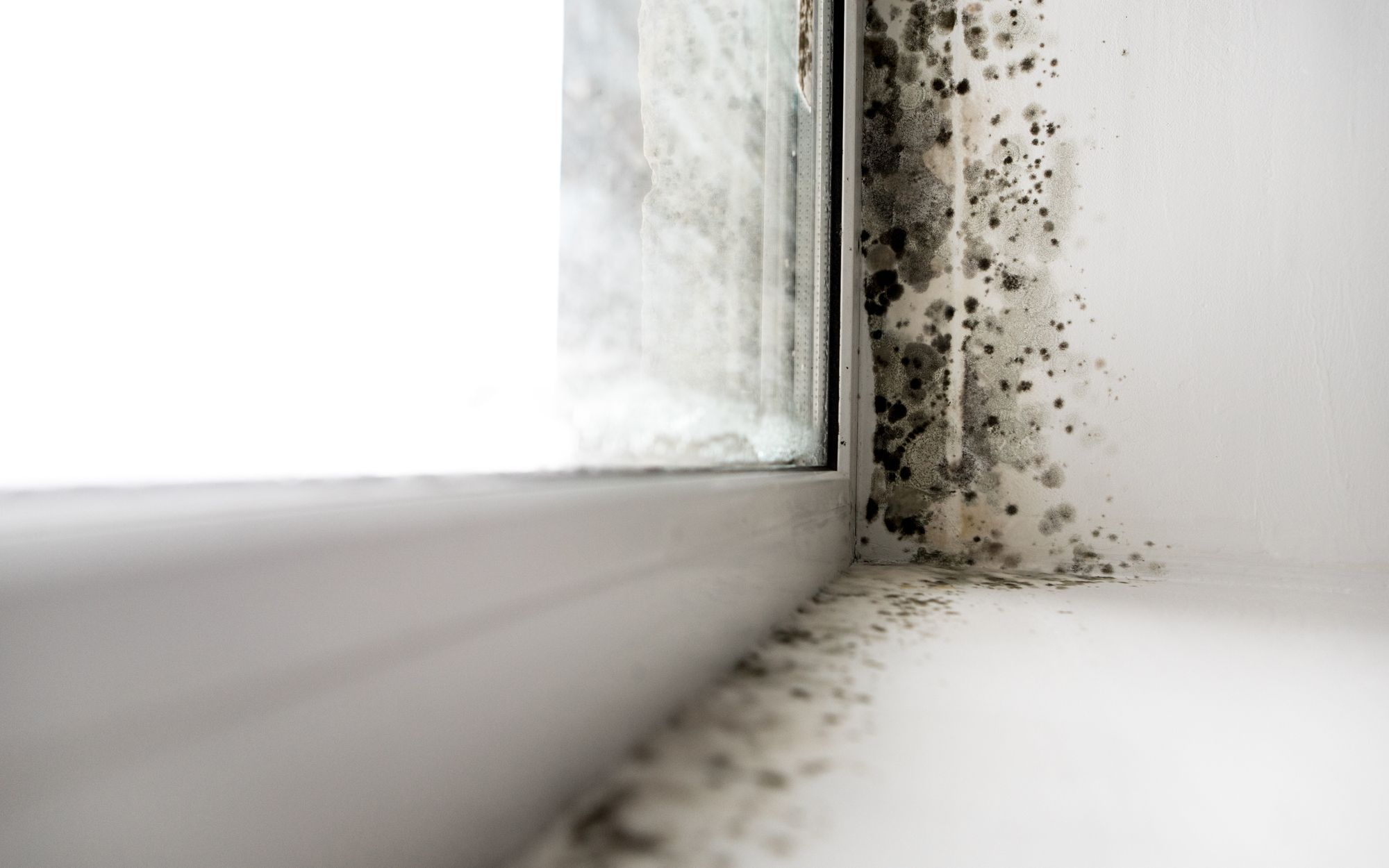
The mold at this hotel was found growing primarily on the adhesive (which served as a nutrient), as well as on any dirt and dust that might have been on the plastered surface. This mold growth caused a discoloration of the VWC, with noticeable pink stains appearing on the room and corridor sides of the vinyl.
Mold growth behind the corridor VWC extended only to the height of the ceramic tile on the other side of the wall. This proved the consultant’s hypothesis that the problem was related to the inability of the skim coat to fully dry in specific locations. Having this kind of valuable information helped the construction team to concentrate the remediation in these areas rather than undergoing a more costly and schedule-killing full remediation.
All of the new VWC was being pulled down by the contractor to search for the source of the mold problem and remediate it, adding to delays. Interestingly, the mold was only growing in certain corridor locations. At first the construction team couldn’t see any pattern, but after further investigation by the consultant, specific correlations were observed. The consultant discovered that the construction team had overlooked the varying drying potential of the walls. Although plaster walls are pervious to some moisture, they are unable to support an abundant amount of moisture, such as what was contained in the skim coating.
Even though the skim coating had appeared to be dry to the touch and during a visual inspection, a significant amount of moisture had been buried into the core of the skim coat. This moisture had become trapped by the VWC going up too quickly. Adding to the problem was the fact that ceramic tile was on the other side of the solid plaster wall in many locations and was acting as a vapor retarder. So the moisture was trapped between two impervious wall surfaces: VWC on the corridor side and ceramic tile on the room side.
SOLUTION
The consultant provided several options. The chosen solution slowed down the pace of the work enough in specific areas to allow sufficient time for the skim coat to dry. Drying equipment was also strategically installed to reduce the humidity in the hotel from the skim coat drying. This change had little impact on the critical path.
The consultant also performed more complete checks on the drying potential of the skim coat material, and provided directions on how to properly assess the dryness of the skim coats before VWC was installed. Additionally, the consultant provided an inspection protocol that helped to target suspect areas for VWC removal while allowing some newly installed non-affected VWC to remain in place.
RESULT
The solution was simple yet effective, allowing the room rehab to keep moving forward at a rate that satisfied the client but also ensured the reduced risk of another mold problem. By using proper diagnostics and installing strategically located drying equipment, the consultant was able to ensure that the skim coats dried more quickly than usual, allowing new vinyl wall covering to be installed on an expedited schedule. This propelled the entire project ahead, satisfying the client’s expectations to get room revenues running as quickly as possible.