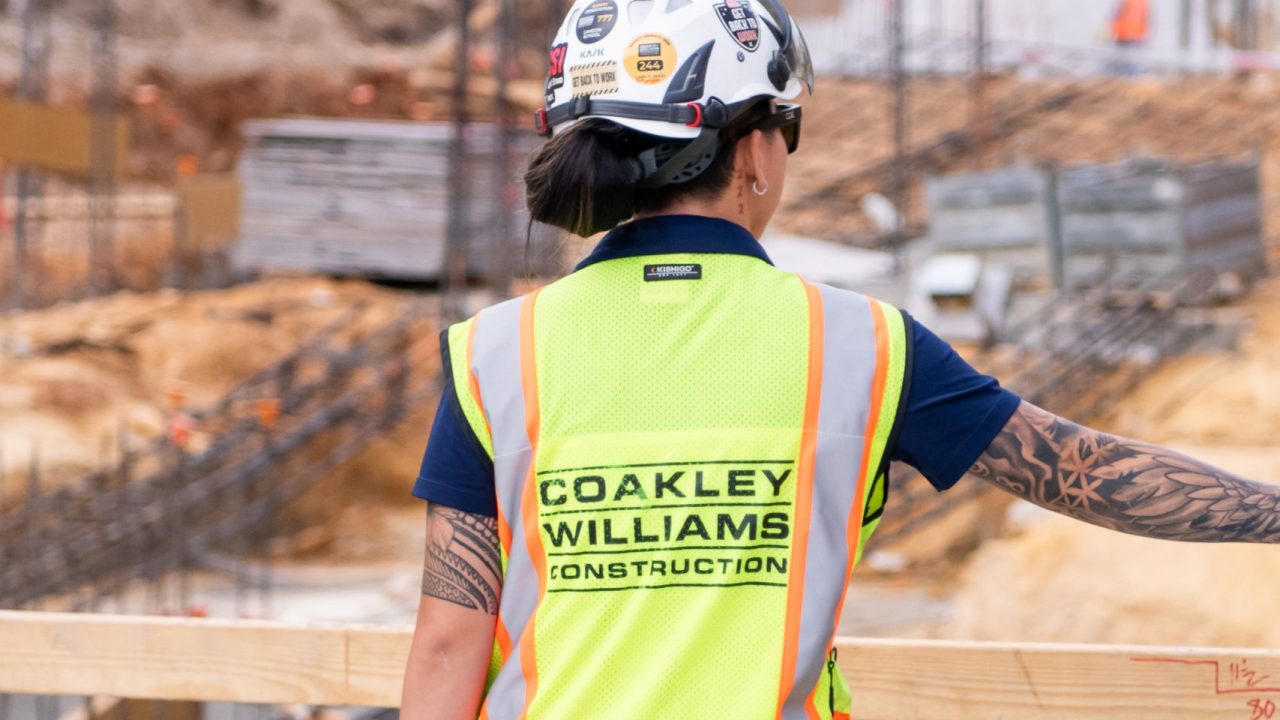
As construction demand continues to surge across the country, the industry finds itself at a pivotal moment. With workforce shortages mounting and the skilled labor pipeline narrowing, contractors and developers are navigating a landscape defined by complexity and change. The pressure to deliver high-quality projects on time and within budget has never been greater—yet many firms are struggling to fill the boots needed on the ground.
In 2025 alone, projections estimate that the construction sector will need nearly half a million additional workers to keep pace. That’s not just a statistic—it’s a warning bell. If left unaddressed, this growing gap could hinder everything from public infrastructure improvements to private commercial developments, with far-reaching consequences for communities and economies alike.
Several forces are at play: accelerated retirements, post-pandemic career shifts and a generational perception gap that continues to steer younger workers away from the trades. Overcoming these challenges will require a fundamental rethinking of how the industry approaches workforce development, project execution and industry culture.
Understanding the Depth of the Labor Challenge
The construction industry has long faced cyclical labor shortages, but the current scenario marks a deeper, more structural shift. Fewer young people are entering the trades, and less than 10% of the current workforce is under the age of 25. As older workers retire—many ahead of schedule due to the pandemic—the pipeline of replacements is insufficient to maintain workforce continuity.
This shortage has very real consequences on the ground: extended project schedules, increased labor costs and elevated risks tied to compliance and safety. When jobsites operate understaffed or with less-experienced teams, the margin for error narrows—and the potential for delays or mishaps increases.
Demand isn’t slowing either. Whether it’s aging infrastructure, rapid urban growth or the need for more industrial and commercial space, the pressure is on for construction firms to deliver—efficiently and safely. That’s why workforce optimization must become a central strategy for firms that want to stay competitive in this environment.
Strategic Collaboration Through Design-Build
One of the most effective tools to address labor limitations lies in the delivery model itself. Traditional project methods often leave subcontractors out of the equation until late in the process, creating disconnects between design, scope and available labor.
The design-build approach flips that dynamic. By integrating owners, designers and contractors from the outset, design-build fosters stronger communication, better alignment and earlier buy-in from the trade partners who ultimately execute the work.
This early collaboration makes it easier to assess workforce availability and adjust scope or schedules accordingly. It also prioritizes quality and capacity over cost alone when awarding subcontracts—ensuring the right teams are in place before ground breaks. The result? Reduced delays, fewer change orders and improved overall project outcomes, even in the face of workforce constraints.
Technology as a Force Multiplier
While people are at the heart of construction, technology is becoming an increasingly valuable ally in offsetting workforce shortages. New digital tools and automated systems are allowing companies to do more with leaner teams, all while improving accuracy and safety.
AI-driven scheduling software can be utilized to dynamically reallocate labor based on progress updates and project variables. Robotic layout and survey systems streamline framing and groundwork, requiring fewer manual inputs. Automated finish applications for tasks like painting, sealing and drywall installation allow for quicker turnaround with smaller crews.
By modernizing jobsite operations, construction firms can appeal to tech-savvy younger workers who might otherwise overlook the industry. The integration of smart platforms and digital collaboration tools also makes it easier to manage multiple teams, track progress and ensure everyone is aligned on goals and deliverables.
Prioritizing Worker Retention and Wellbeing
Attracting new talent is only half the battle. Retaining skilled workers is equally essential—and often overlooked. Companies that want to build a stable, long-term workforce must prioritize the conditions of their jobsites and the overall wellbeing of their employees.
This includes creating better onsite experiences, such as shaded areas for rest, food services and climate-controlled break rooms. It also includes celebrating the trades by highlighting field workers during milestone events, giving them recognition on social media or spotlighting their contributions at industry functions.
These strategies not only improve morale but also strengthen loyalty and reduce turnover—both of which are essential in a labor-tight market.
Shaping the Industry’s Future Through Education
For lasting impact, the industry must focus on shifting public perception and expanding access to the trades. Many high school and college students are unaware of the real earning potential and long-term stability a career in the construction industry can offer.
Grassroots initiatives and educational partnerships are helping to change that. Across the country, more high schools are integrating construction programs that offer hands-on experience and industry certifications. Community colleges and trade schools are also stepping up with curricula aligned to today’s jobsite demands.
Apprenticeship programs, mentorship pipelines and internship opportunities can serve as powerful tools to introduce young people to the industry in a meaningful way. When students hear success stories from professionals close to their own age—or get a taste of real jobsite experiences—the spark of interest can turn into a full-fledged career path.
Looking Ahead
The construction industry’s labor challenge may not have a single solution, but there is a clear path forward for firms that embrace innovation, reimagine collaboration and invest in both people and processes. The coming years will require bold thinking, greater agility and a heightened commitment to workforce development. With strategic planning and industrywide cooperation, firms can not only build better structures but also establish a stronger, more sustainable foundation for the next generation of construction professionals.
SEE ALSO: ONLY 20% OF CONSTRUCTION WORKERS REPORT INJURIES LINKED TO MENTAL DISTRESS