CE This Week spoke with Ken Wengert, Second Vice President, Construction, Energy and Marine Risk Control, Travelers, on ways contractors can mitigate risk in 2021.
CE This Week: What are some best practices for contractors as they continue to deal with COVID-related challenges, like employee safety, supply shortages, compressed schedules and project shutdowns?
Wengert: It may seem elementary, but the unknowns created by COVID-19 make it more important than ever to have a plan. Employee safety and health have always been priorities for this industry, but now we’re dealing with social distancing requirements, wearing masks appropriately and daily employee health screenings to ensure the safety of the entire crew. Since we’re all still getting used to doing things a bit differently, it’s a great time to review existing plans, make appropriate adjustments and communicate policies and procedures so that everyone is on board for the year ahead.
For instance, contractors will need to develop strategies for reducing concentrations of employees in common areas and then managing tasks that may need to be performed with fewer employees to allow for appropriate distancing on the job site. Other examples include planning for temporary heat and enclosures to protect materials and prevent freeze-ups from occurring on a project that may not have been scheduled to go through the winter months and making adjustments when there are delays in receiving materials.
Also, managing an injury has gotten more complicated. Given the restrictions caused by the virus, it’s wise to check with established medical providers to ensure that they are still treating occupational injuries and to make note of any operational changes, including modifications to hours of availability, follow-up treatments and telemedicine options. And given concerns around the spread of COVID-19, someone who is injured may be hesitant to alert their foreperson or seek treatment because they are worried about potentially contracting the virus at a doctor’s office. If employees know that management has prepared in advance and can address these issues upfront, they may be more comfortable reporting a nonemergency injury.
CETW: What are some new and innovative ways customers can manage risk?
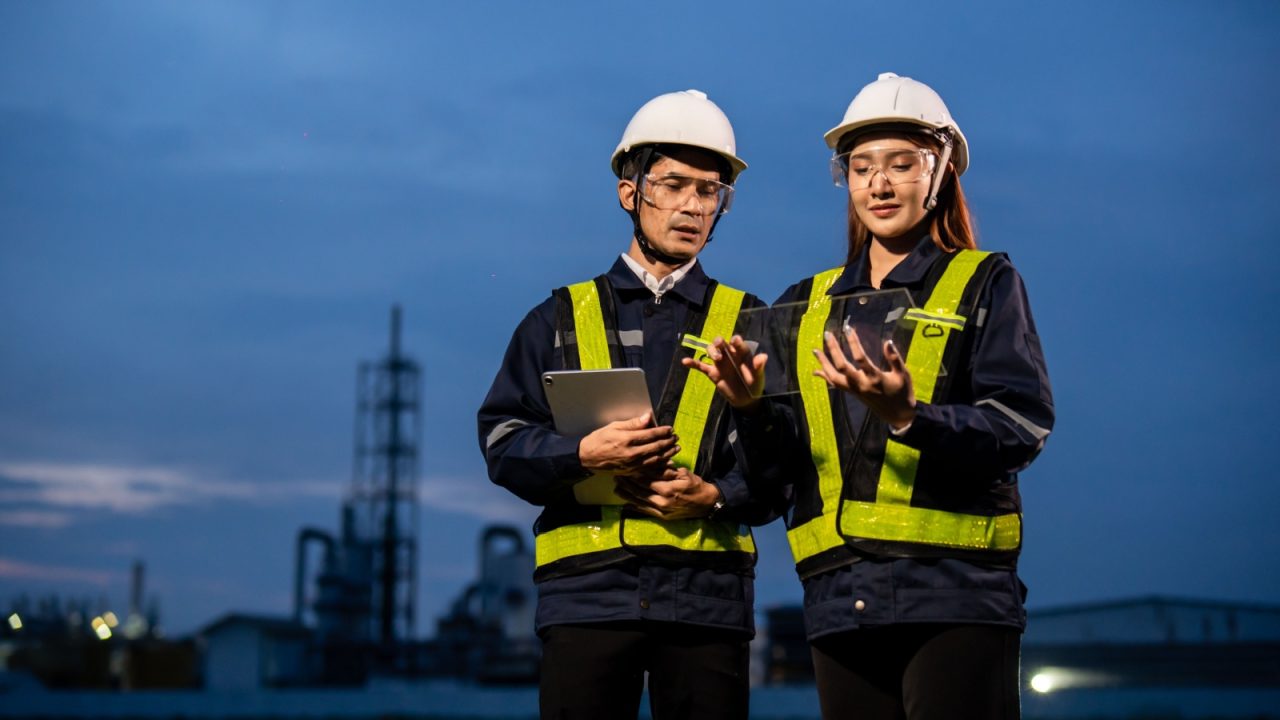
Wengert: We’re seeing contractors use technology that they already have in place to address the new risks brought forth by the pandemic. For instance, wearable devices are now being used to help workers maintain a 6-foot distance from others and are allowing contractors to determine who was on-site and working in close proximity to others on a particular day if contact tracing is needed.
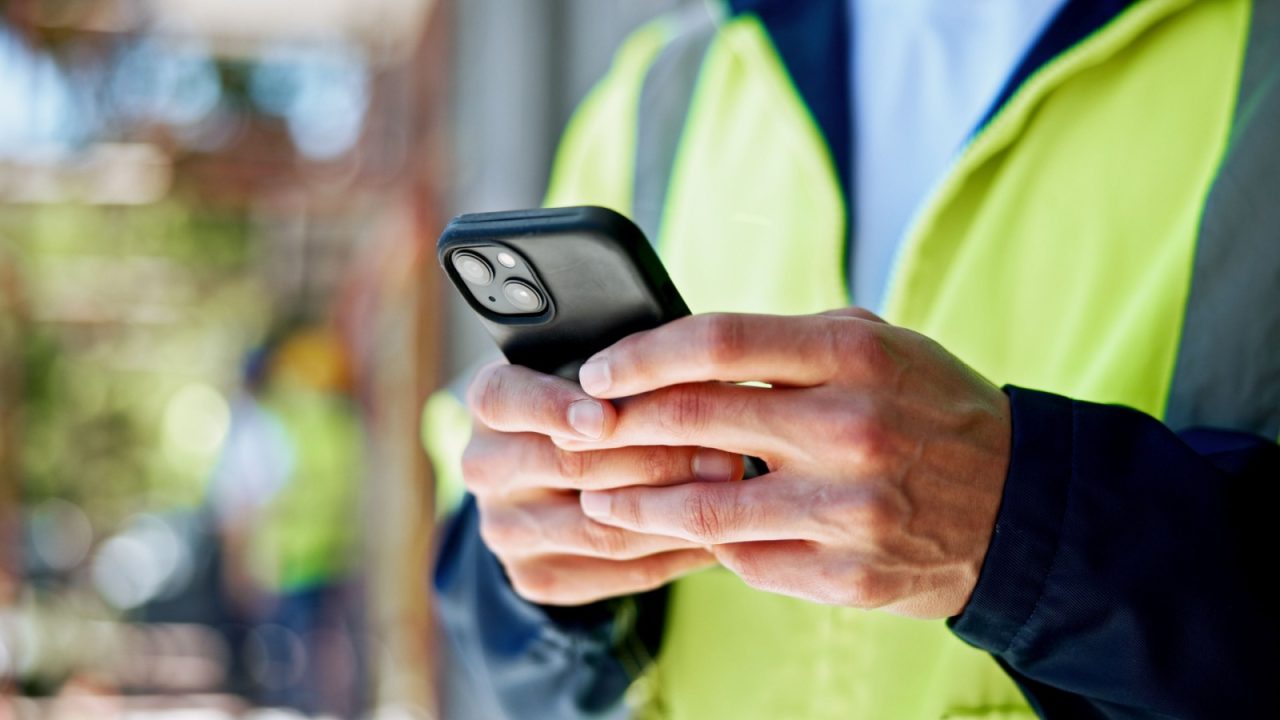
Another thing we’ve noticed is an increased use of apps, such as the Risk Toolworks™ mobile app. This tool helps contractors evaluate the effectiveness of their controls for potential hazards and keep track of what is working, and what is not, to help them to better protect their employees.
COVID-19 has also highlighted the importance of managing risks associated with subcontractors, schedules, sequencing and deliveries to job sites, and contractors are using project management software to help with this. We’ve seen interest in our program with the Procore project management software. Now, more customers can use the available discount to access this technology to better manage their job sites.
CETW: Technology aside, slips, trips and falls have been cited as a leading cause of injury in the workplace, and construction sites can be especially prone to these types of events. What can contractors do to help mitigate accidents and reduce job-site hazards?
Wengert: This is another instance where proper planning comes into play. Again, it may seem obvious, but take a close look at potentially hazardous situations and take steps in advance to avoid them. This could include making sure there’s adequate lighting installed and maintained, especially if workers are arriving or leaving in the dark, and preventing buildup of debris in work areas with regular cleanups. And encourage workers to speak up or address any concerns that may arise, such as an icy patch in a heavily trafficked area.
CETW: What other major risks should contractors prepare for this year?
Wengert: Two that come to mind are automobile exposures and ergonomic risks. According to the U.S. Bureau of Labor Statistics, motor vehicle crashes are the first- or second-leading cause of death in every major industry group, and the construction industry often has some of the highest numbers, comparatively speaking. Even if levels of driving have gone down, the danger persists.
Data from the National Highway Traffic Safety Administration shows that the number of crashes and fatalities increased, despite a decrease in traffic volumes this spring due to the pandemic. This helps illustrate why having a formal and ongoing fleet safety program in place is so vital.
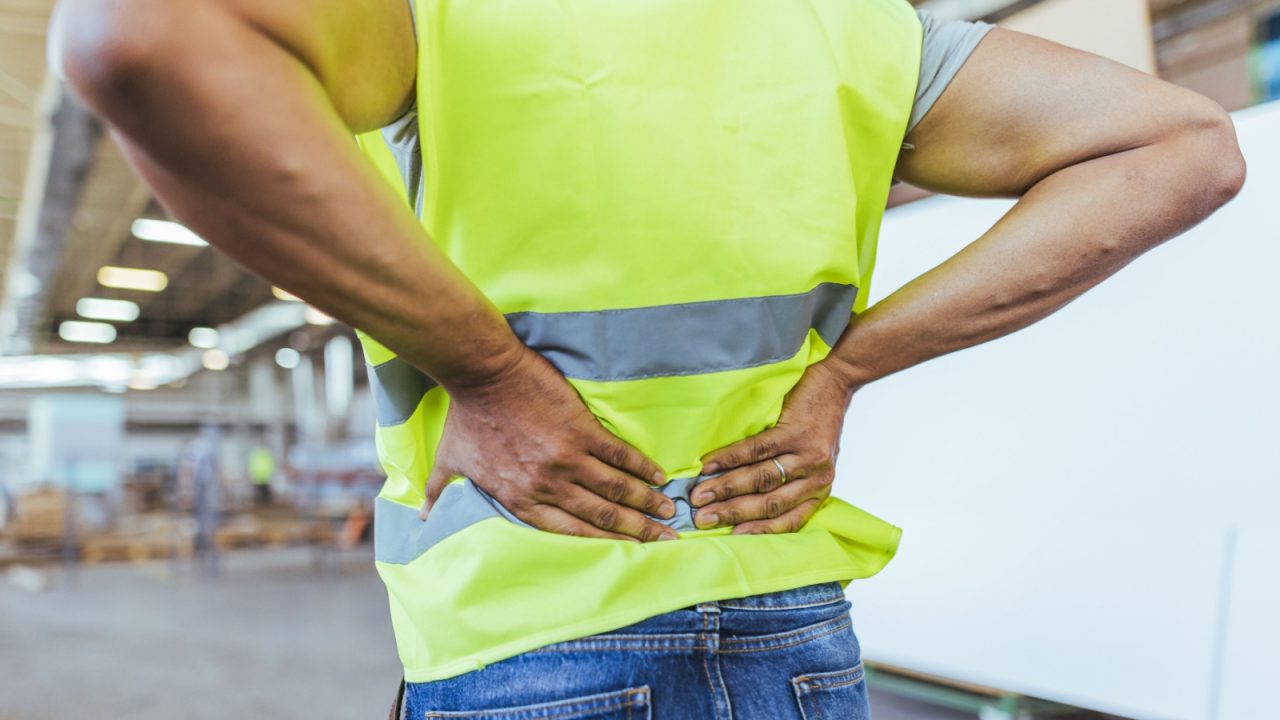
Sprains and strains are often associated with risk factors such as posture, force and repetitive motion and are commonly associated with job-site activities that involve lifting, pushing, pulling or the use of tools. These types of musculoskeletal disorders can affect employee health and well-being. With potentially fewer workers on a project, there needs to be more attention given to the planning of tasks and identification of risk factors in order to take corrective action before injuries occur.
In many instances, contractors believe they know what tasks or activities present increased risk based on a review of previous injury trends or through completion of a job safety analysis. Ergonomic assessments can be helpful in verifying risks associated with those activities. Our ergonomics specialists work with customers to help pinpoint the risk and recommend ways to redesign tasks that are contributing to injuries. Earlier this year, we were excited to add an artificial intelligence-based tool, which measures postures and movements depicted in smartphone videos, helping our specialists more quickly assess task-related risk and consult with our customers to provide tailored job-site improvements.
Lastly, while we want to prevent employee injuries from happening, the way in which an employee is treated when one does occur makes a difference. The first step is to respond in a caring, nonjudgmental manner, because showing compassion is especially important now as we continue to deal with the emotional and mental toll of the pandemic. Clearly, getting an injured worker to the appropriate medical provider is the top priority. You will also need to quickly pivot to support the other crew members and to understand what occurred so you can take appropriate corrective action to help prevent further injury.