Whether a large-scale construction firm bidding on multi-million dollar projects or a freelance tradesman hoping to secure a single job opportunity, delivering a precise cost estimate plays a fundamental role in the bidding process.
However, the estimating process is not without its set of challenges. Bids can be complex and companies often want the information “yesterday.” In addition, margins are lean and the competition runs deep. Even as a seasoned estimating professional, it can be challenging when the team is relying on estimators to control risk, ensure profitability and score major wins that push the business forward.
In order to be successful, it’s essential to know how to manage and integrate detailed project estimates with speed and accuracy at every stage of the project. Below are three common – and often expensive – mistakes that can slow the estimating process down and advice on how to avoid them.
Mistake #1: Not Standardizing the Estimating Process
Without accurate estimates, it is impossible to understand the job margin and where the company makes or loses money. When a company doesn’t have a standardized estimating process in place, inconsistencies can arise and lead to significant problems. Frequently, there is not a consistent process for reviewing estimates either, so if an estimator makes a mistake – or omits a critical detail in a spreadsheet – it is likely to be missed. Unfortunately, these kinds of errors can hurt the bottom line and result in missed opportunities.
Using only spreadsheets to create estimates can lead to variations that make internal reviews challenging and error-prone. When multiple people are contributing to and editing the spreadsheets, it can be hard to track which is the most current version and ensure that all updates are included.
By implementing a standardized estimating process, a contractor can collaborate more effectively and create more consistency and efficiency. The result is a reduction in errors with key elements less likely to be missed in every estimate. When the estimating process is standardized, costly mistakes are minimized. For example, by creating a repeatable estimating process built on the company’s own best practices – and by relying on a common coding structure – companies ensure that all estimates are prepared with the same level of detail and consistency.
Mistake #2: Solely Relying on Tribal Knowledge
A company’s senior estimators bring a lot of value to the table, but with an increasingly tight labor market and aging workforce, most construction firms are likely to see some turnover among their estimators. Often, losing an experienced estimator means losing valuable intellectual property (IP), as well as losing an important member of the team.
In addition to the hard costs, which can run as high as 213 percent of the cost of one year’s salary for that role, there are also indirect expenses when a veteran member of your team leaves. It often takes several months to replace a senior worker, and that’s on top of the price of onboarding and training a new hire.
To complicate matters, with so much consolidation in the construction industry, many companies can have multiple estimators with competing methods. The stakes are too high to leave this crucial part of business to individuals and individual workgroups.
There are many robust digital tools available today that allow companies to collect and protect the knowledge of each estimator and consolidate it into a consistent, automated process.
With this strategy, contractors can safely protect their IP and retain their initial investment in key estimators. They can also promote enhanced performance company-wide by facilitating collaboration and allowing multiple estimators to work on the same estimate at the same time, each contributing and sharing their personal knowledge base.
Mistake #3. Using Insufficient Tools
Highly customized bids and reporting processes have become table stakes for being awarded the most prized projects. However, not having the right tools in place can set a company up for failure.
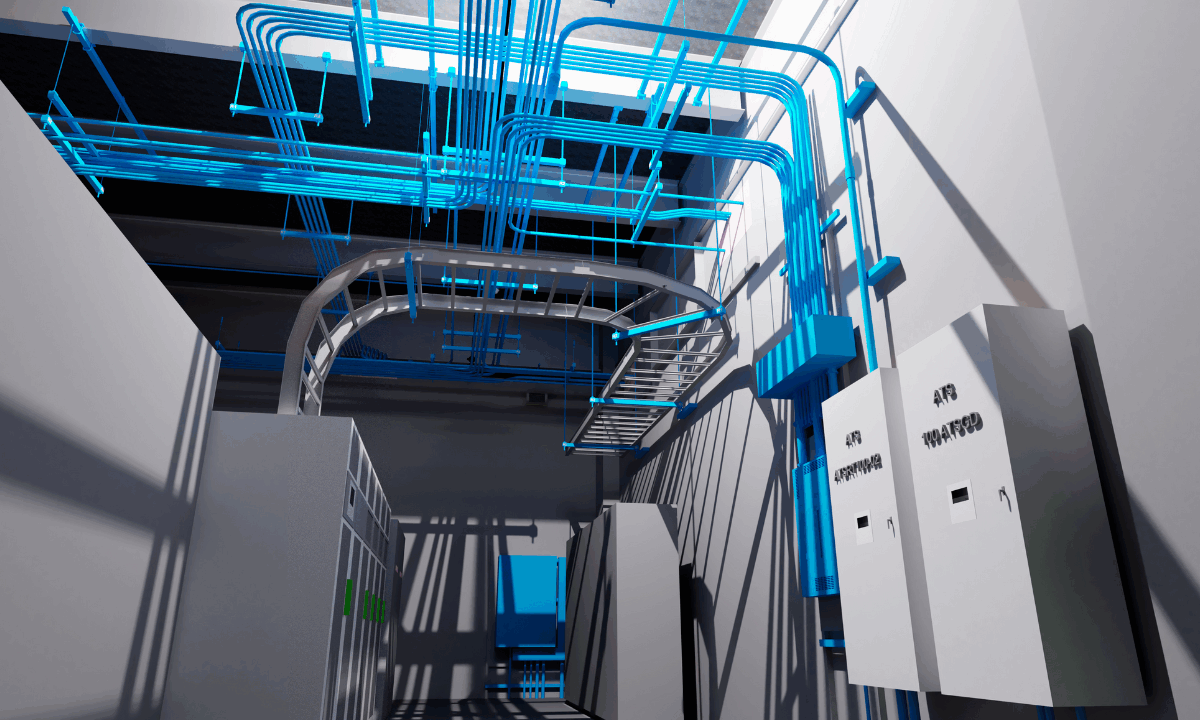
With today’s advancements in construction estimating software, more contractors are taking steps to streamline and improve their cost estimating process and move beyond just using spreadsheets. As the availability of 3D project models is on the increase, the right estimating tools will allow estimators to visualize the construction sequence and more accurately account for all the building materials and required labor to complete the project. It provides a level of transparency and granularity that helps reduce potential errors and sheds light on other areas where they can save money or make recommendations about costs.
These tools also enable estimators to utilize historical data and integrate it into the estimating process which results in more accurate bids.
The Bottom Line
Formulating a winning construction estimate is no easy task. It is essential to implement an estimating strategy that empowers contractors to easily and swiftly adjust estimates, organize them to meet internal goals and most importantly, customize them to meet the specific reporting needs of clients.
By investing the time up front to ensure estimates are aligned with business expertise and profitability goals, contractors will discover that the profit margin on finished jobs increases. Technology that empowers the construction estimator to create, manage and update cost estimates in real time can ultimately allow for efficient, integrated estimating that not only prevents errors, but also saves today’s busy companies time and money.