

The Dangers of Engaging a “Shark” Attorney
“Shark” attorneys can harm business relationships and cost the contractor more time, energy and money.

Alternative Dispute Resolution: The Differences Among Mediation, Litigation and Arbitration
Many contracts include mediation, litigation or arbitration, so it pays to understand each procedure.

The Dangers of Sending Informal Project Communications
Informal communications are part of the record of what project teams are doing, but they can be used against a company in court. Create and enforce specific guidelines

Let’s Work Together, Partner
Before partnering or forming a joint venture with another entity, consider the differences and nuances of each.

Tips for Ensuring Project-Level Agreements Are Enforceable
Most disputes on a construction project are resolved at the project level. Follow these tips for making and documenting agreements to help ensure they are enforceable.

Why Pay an Undisputed Balance When Engaged in Litigation?
Contractors may refuse to pay undisputed sums when in a payment dispute, but they should consider five things that may reveal why they should pay those undisputed

How to Write an Effective Claim Letter
A claim letter puts another project party on notice of a contractor’s claim for payment. An effective claim letter states why the contractor is making a claim,

Bonded and Insured: Are Both Needed? What’s the Difference? Why Does It Matter?
Surety bonds and insurance are forms of risk management meant to protect against financial loss. But what they cover and how claims are handled differ.
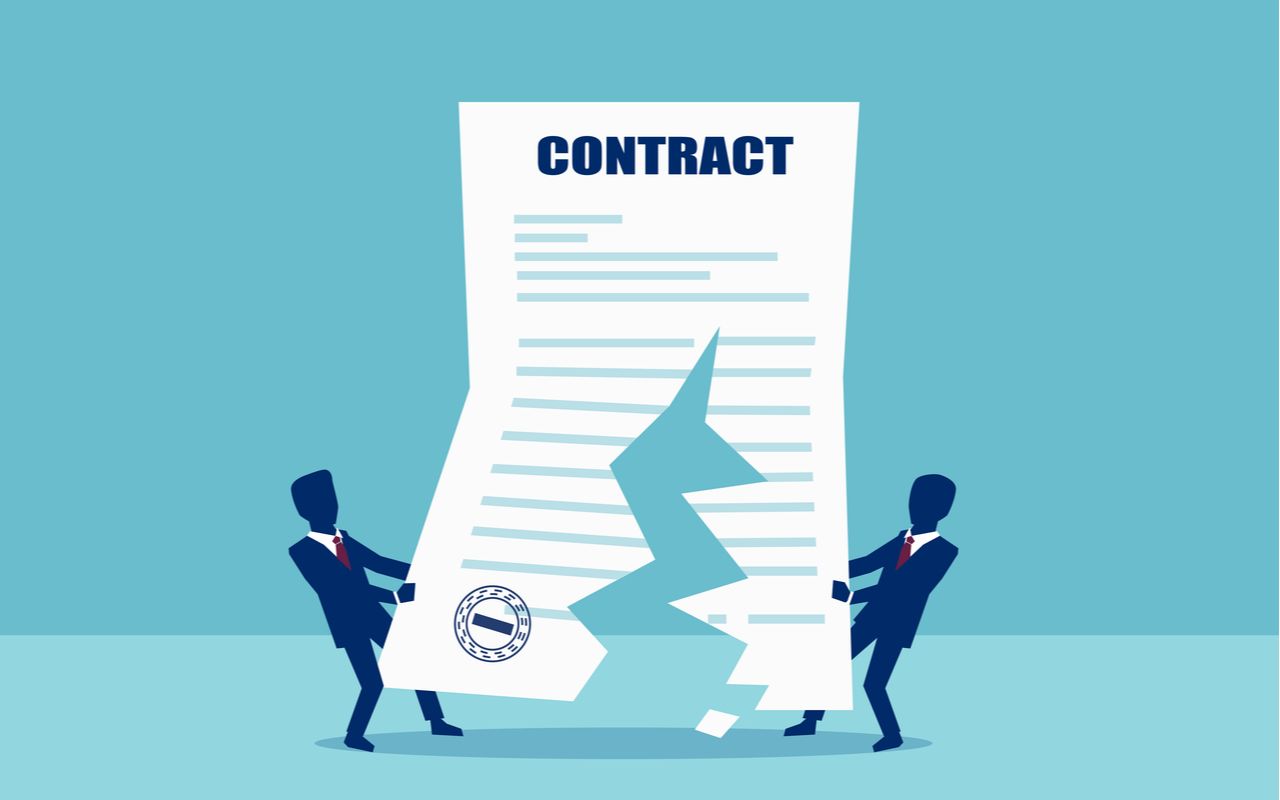
What Is the Difference Between Breach of Contract and Unjust Enrichment?
Unjust enrichment can be used in litigation to pursue payment from parties with whom a contractor did not have a contract. But how it is different than breach of

To Arbitrate or Not to Arbitrate
Construction contracts may have mandatory arbitration provisions but sometimes contain a provision that allows either party to agree to arbitration. With that option
What Is a Duty to Defend?
Before signing a contract, know what a duty to defend and why it is such a valuable provision, when the duty attaches and when it ends, and the consequences of an

Subcontractors Beware of Contract Provisions That Waive Rights to Delay Damages
General contractors may ask subcontractors to agree to a form contract with provisions that may result in the subcontractor waiving the right to delay damages.
Eight Ways to Protect a Construction Company Before a Claim Is Filed
Claims are inevitable, but there are ways contractors can protect their company before a claim is filed.

Tips to Help Avoid Violations of the False Claims Act
The False Claims Act imposes civil liability on persons or entities deemed to have submitted a false or fraudulent claim for payment to the United States government.

The Value of a Mandatory Mediation Provision
With a mandatory mediation provision in the contract, contractors will prepare their claim with an early opportunity for settlement, saving time and money and helping
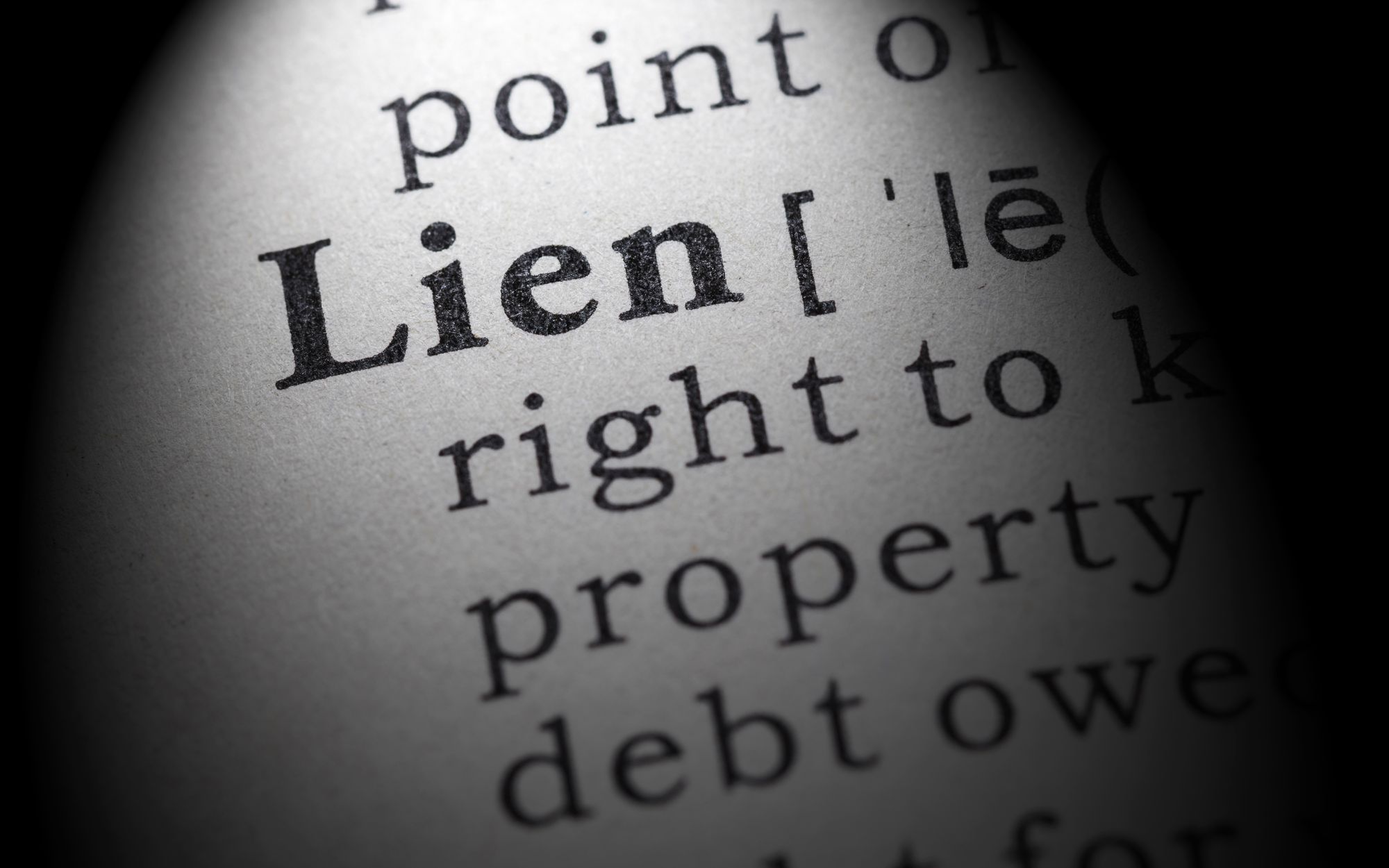
Enforcing a Mechanic’s Lien
When a subcontractor or supplier has not been paid for work performed, there are six general steps that most states require to file and enforce a mechanic’s lien.

All About the Miller Act: Protections for Subcontractors and Suppliers
The Miller Act requires general contractors to obtain payment bonds so that subcontractors and suppliers are guaranteed payment on federal projects.

Certifying a Government Construction Claim
State and federal governments may require a contractor to certify a claim. If the claim is unsupported or improperly filed, it could lead to liability. Understand

Maintaining Relationships With Higher-Tiered Subcontractors While Considering a Claim
Subcontractors pursuing a claim against a higher-tiered subcontractor need to walk a fine line. Here are tips for making the best of a difficult situation without

Five Issues to Consider Before Signing a Liquidation Agreement
Before signing a liquidation agreement, consider all the issues.

The What, Where and When of Legal Forms
What are legal forms, where are they located and when should they be used? While many forms are free, contractors may want to retain an attorney to draft or approve