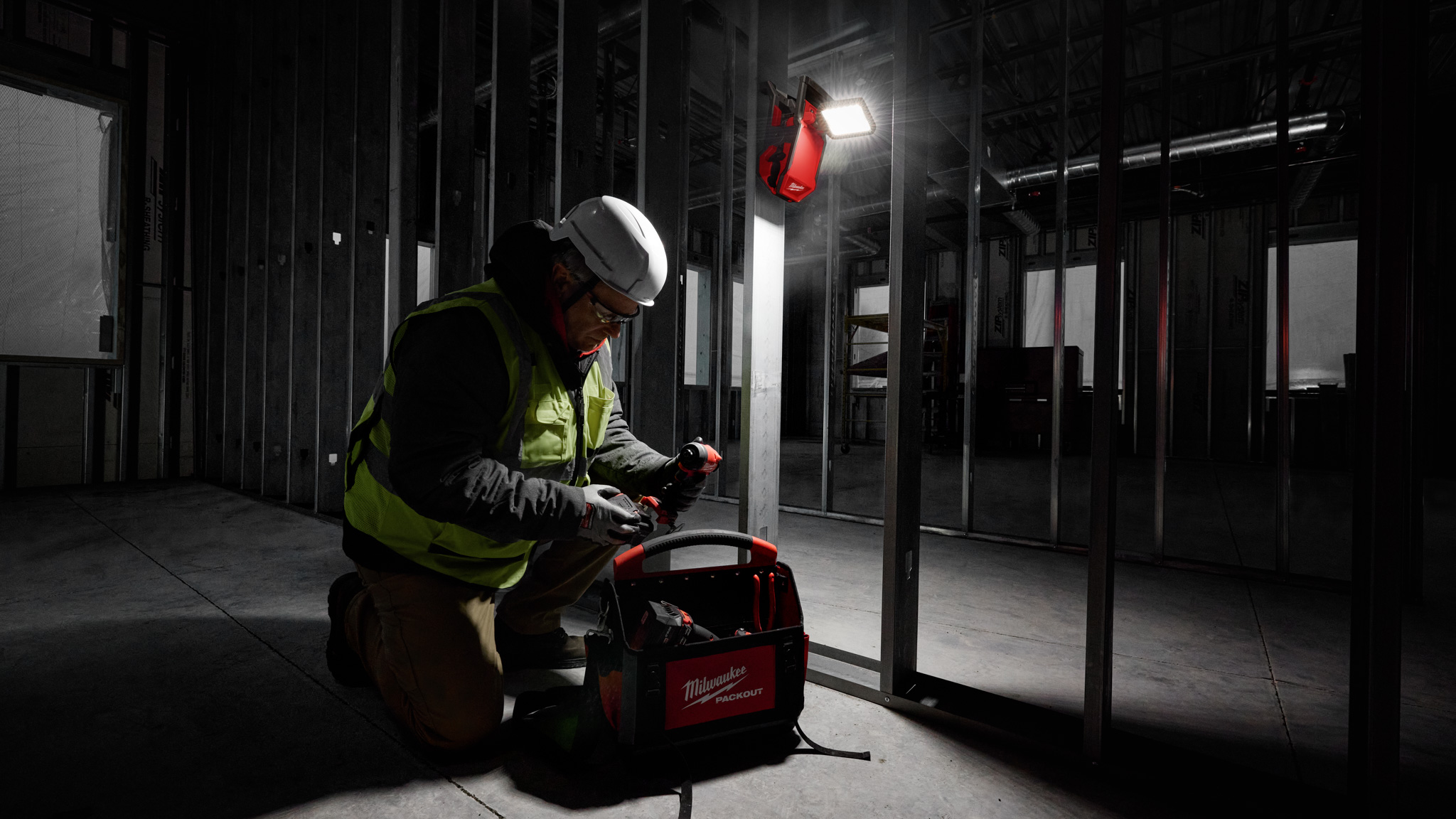
Safety in construction has traditionally been defined by policies, procedures and compliance requirements designed to reduce risk. While these elements remain essential, industry leaders are increasingly recognizing that rules alone do not determine safety outcomes. As jobsites grow more complex and performance expectations rise, safety is being reframed as a cultural and organizational responsibility—one shaped by leadership decisions, workforce engagement and the everyday realities of work.
This evolution reflects a broader shift toward proactive, human-centered safety strategies. Rather than responding to incidents after they occur, organizations are focusing on how safety is experienced on the jobsite. Equipment choices, jobsite conditions and worker behavior all intersect to influence whether protective measures are adopted consistently and willingly. In this context, personal protective equipment plays a critical role—not just as a requirement, but as a reflection of safety culture in practice.
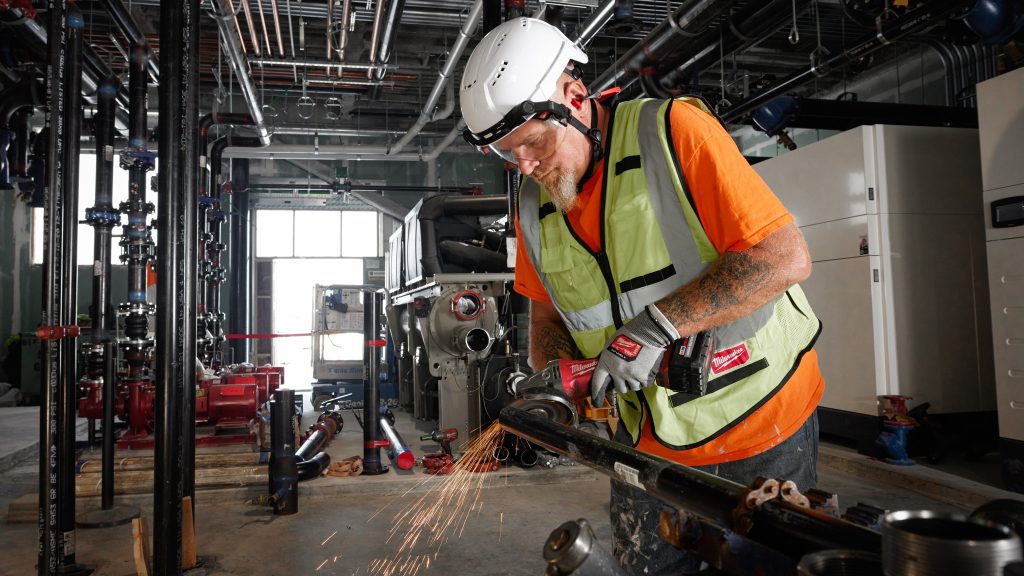
PPE Adoption as a Measure of Safety Culture
Personal protective equipment has long been viewed as the final line of defense against jobsite hazards. That role remains unchanged, but the way PPE is selected, designed and worn is evolving. Today, comfort, fit and usability are increasingly recognized as essential drivers of consistent PPE use.
When protective equipment is uncomfortable, restrictive or poorly suited to the task, compliance becomes inconsistent—regardless of policy. Conversely, PPE that is designed with the user in mind is more likely to be worn correctly and consistently. For construction leaders, this shift reframes PPE adoption as a cultural indicator: It reflects whether safety expectations align with the realities of the jobsite.
Advances in materials, ergonomic design and adjustability have improved how PPE supports extended wear, particularly for head and eye protection. Equipment that reduces pressure points, improves balance or enhances visibility helps remove barriers to adoption. These improvements reinforce the idea that safety is not about enforcement alone, but about enabling workers to protect themselves without compromising comfort or productivity.
The Role of Worker Input in Safety Outcomes
A strong safety culture is built on trust and engagement. One of the most effective ways to reinforce that culture is by incorporating worker feedback into safety decisions. Trades professionals are uniquely positioned to identify what works—and what doesn’t—under real jobsite conditions.
By listening to worker input, organizations gain insight into how PPE fits into daily workflows, how long it is worn, and where challenges arise. This feedback can inform equipment selection, training approaches and broader safety initiatives. When workers see their experiences reflected in safety decisions, it strengthens buy‑in and reinforces shared accountability.
Research-driven approaches, including studies of movement, fatigue and physical strain, further support this process. Understanding how the body responds to work demands helps inform designs that reduce discomfort and long-term injury risk. For leadership teams, these insights connect safety culture directly to workforce health, retention and performance over time.

Integrating PPE Into a Broader Safety System
PPE does not exist in isolation. Its effectiveness is shaped by how it integrates with tools, jobsite conditions and daily operations. Leaders who view safety as a connected system recognize that consistent PPE use is reinforced through planning, communication and example—not policy alone.
This systems-based approach includes selecting equipment that aligns with jobsite conditions, ensuring training reflects real-world use and reinforcing expectations through leadership behavior. When safety considerations are embedded into routine decisions, PPE becomes a natural part of the workflow rather than an added burden.
Environmental factors also play a role. Improvements in lighting, air quality and noise reduction contribute to safer conditions and influence how protective equipment is experienced throughout the day. Addressing these factors holistically supports better adoption and more reliable protection.
Safety Culture as a Leadership Imperative
Ultimately, safety culture is shaped from the top down and reinforced every day in the field. Leaders set the tone through the priorities they communicate, the equipment they invest in and the voices they choose to include in safety conversations. When leaders consistently demonstrate that they care about employee wellbeing, not just productivity or compliance, it reinforces trust and signals that safety is a shared value. That commitment becomes tangible in the choices organizations make.
When PPE is comfortable, usable and informed by worker input, it signals respect for the workforce and a genuine commitment to safety. Over time, these choices help build a culture where protection is expected, supported and sustained—not because it is required, but because it works.
As construction organizations continue to navigate workforce challenges and evolving jobsite demands, those that treat safety culture as a strategic priority will be better positioned to protect their teams, strengthen trust, and support long-term performance.
SEE ALSO: ADOPTING A LEADERSHIP-BASED APPROACH TO WORK ZONE SAFETY