The problem of late completion has dogged the construction industry for many years and has been the subject of countless studies and initiatives. Cost, quality and time are the factors that typically determine project success. Yet, of all of these, time is the least understood and least often approached with effective management.
The result is that project completion issues create an unnecessary risk to the bottom line.
A 2017 study by consulting firm KPMG found that 60 percent of contractors still had delay-causing issues adversely affect their projects. This is despite the fact that more than three quarters of the executives interviewed said their firm had a handle on project management.
Processes and people are the drivers of better project controls while technology provides the platform for better collaboration and communication. Consider how emerging tech can help.
The Construction Industry is Finally Embracing Tech
Not long ago, it was almost impossible to imagine CAD or schedule information being available outside the office or trailer. But today, there is high enthusiasm and passion around technology as well as smart deployment of it throughout many organizations.
Time management in construction is fundamentally linked to the productivity of the contractor and the entire supply chain. Software and tech tools are enabling increased productivity through real-time collaboration throughout the extended project team.
Cloud-based digital collaboration and mobile tools can empower companies to better track progress, share comments with colleagues and view and manage the schedule in real time.
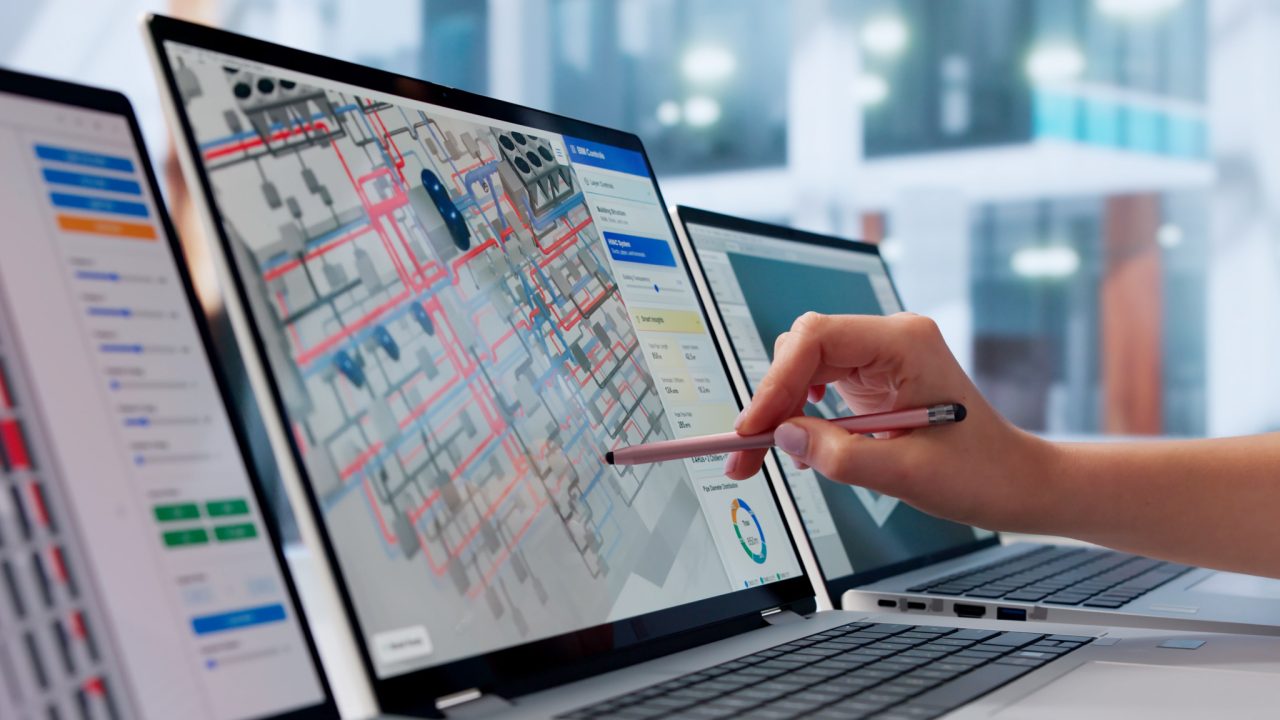
Today’s project teams, using cloud platforms such as Loadspring and scheduling software such as Powerproject Mobile, can enjoy huge benefits – providing the flexibility and creativity they need to deliver great work more efficiently. Team members have all the information they need at their fingertips, wherever they are.
There is much opportunity for the construction sector to raise its productivity levels and become more digitized by embracing a PaaS cloud-based project information platform. Ultimately, this technology enables teams to work together, establishes transparency, reduces cost and increases productivity.
By harnessing this combination of industry-leading software and powerful devices, construction companies can also reduce IT costs and change the traditional, inefficient ways of working. They can provide a more robust way to engage a fragmented supply chain that is challenged on margins and operation models.
Most of today’s construction sites are plagued by a lack of communication among teams. Contractors and trade specialists often find themselves working with outdated information and plans that are riddled with changes and omissions. Data silos, disconnected teams and poor visibility into real-time information negatively impact project performance, leaving stakeholders pointing fingers and taking blame instead of celebrating a job well done.
The hosted cloud allows the project’s entire supply chain to get real-time access to core project data and equal access to the same information as the contractor.
Company executives benefit from real-time data to spot potential problems and understand the key drivers that will bring their project to successful completion. They also can use this wealth of digital information to better inform decisions and make leading changes, rather than looking at lagging indicators of performance.
IT department leaders often prefer cloud-hosted software and applications for project controls too because it frees their team’s time to focus on core business tools like email, accounting and ERP systems. The cloud also mitigates the security risks posed by having multiple project partners needing access to firewalled files.
Understanding a project team’s needs, goals and technical limitations is key to selecting the type of cloud environment that would work best. Cheapest is an Infrastructure-as-a-Service (IaaS) model like Amazon EC2 cloud where users load the software, manage licenses and provide for data security and software fixes. Platform-as-a-service providers (PaaS) charge a bit more because they take on the risks of guaranteed data security and infrastructure management while giving administrators tools to manage software, licenses and user access.
Tech is Ever Changing – Get Used to It
Putting in place a proactive strategy and technology to improve time management will pay immediate and long-term dividends. Building a reputation for good project time management within an industry which struggles with this issue creates a distinct competitive advantage.
Eventually, the construction industry will be able to use even more sophisticated technology to make project delivery more efficient. And, everyone will have exactly what they need to work safer, better, faster and leaner. Expect increased applications for the internet of things, drones, virtual reality and more.
Regardless of what new technologies emerge, focus on the needs of the project teams as the end consumer of technology and consider how the tech will affect their experience and their job. The goal should be to make sure teams are using technology to get the right resources, to the right person, in the right place, at the right time. Achieving this goal is critical for improving construction productivity.
A strategic approach to technology and project controls does take work to craft and deploy. But the results are well worth the investment if it allows a firm to consistently perform better than the competition, increase profits and make happier clients.