Construction laborers face numerous workplace hazards daily, ranging from minor slips, trips and falls to life-threatening electrical shock or other injuries. One of the most severe incidents, traumatic brain injuries, can completely upend an individual’s life. Therefore, the industry must properly train its workforce and uphold safety standards to the highest degree to protect its workers.
TBI 411
A TBI is either penetrating or non-penetrating. A penetrating TBI occurs when an object bypasses the skull and punctures the brain tissue. Non-penetrating TBIs are caused by blunt-force trauma to the head or body—such as in a car crash, being struck by an object or a fall—resulting in the brain moving within the skull. Sometimes, people experience both types of TBIs simultaneously.
Depending on the severity of the impact, an individual may experience symptoms ranging from temporary brain damage that affects cognition and motor skills to more severe cases that could lead to permanent disability or fatality. Likewise, symptoms may occur immediately or gradually after the head trauma. The physical, cognitive and sensory symptoms often include:
- Headache and dizziness
- Nausea and vomiting
- Double or blurred vision
- Fluid draining from the nose and ears
- Slurred speech, weak limbs and a loss of balance
- Unconsciousness
- Confusion and disorientation
- Memory problems
- Poor sleep patterns
- Hearing problems or ringing in the ears
- Light and sound sensitivity
- Mood changes and sudden, unusual behaviors
- Depression and anxiety
- Drowsiness and fatigue
INJURY IMPACT
Construction workers are especially at risk for TBIs due to the inherently dangerous and physically demanding nature of their work. Inadequate training, improper PPE and impaired judgment from fatigue may also lead to danger on the jobsite.
And it’s not just a physical risk. Mental health is a serious problem in the construction industry, with workers experiencing extreme exhaustion, burnout and stress on the job. TBIs can significantly contribute to this dire situation, especially if the individual has chronic pain and is unable to return to work.
Difficulty concentrating, memory lapse and delayed processing are just some of the cognitive issues that may exacerbate mental health decline. Increased irritability, personality changes, disrupted sleep, mood disorders and post-traumatic stress disorder are also common among TBI patients.
Mental health stigma may also prevent many from seeking help for the emotional and mental pain they have after a head injury. Likewise, they may be unaware of the available resources and support.
PREPARE AND PREVENT
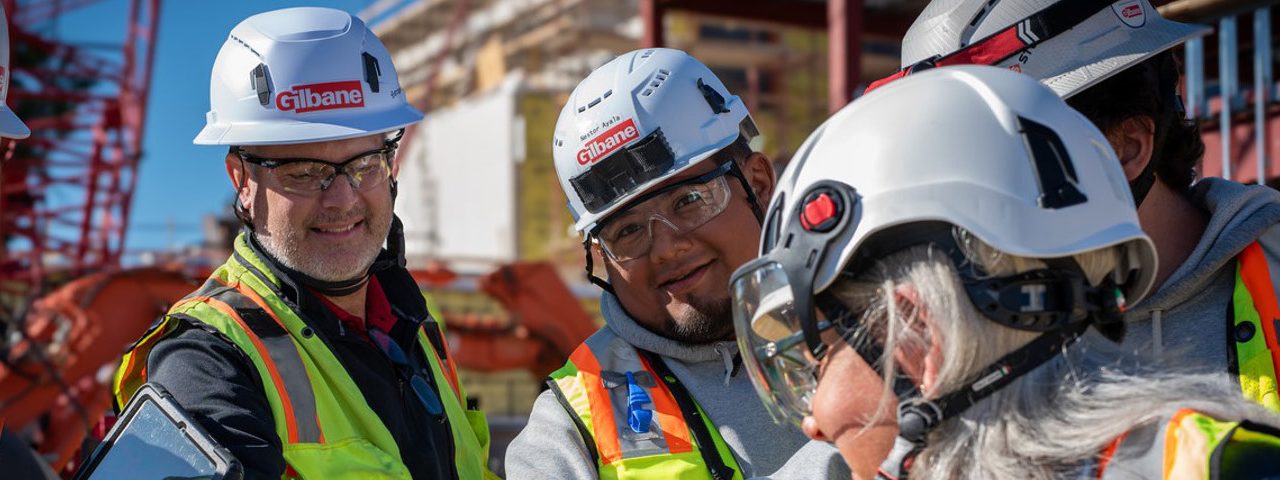
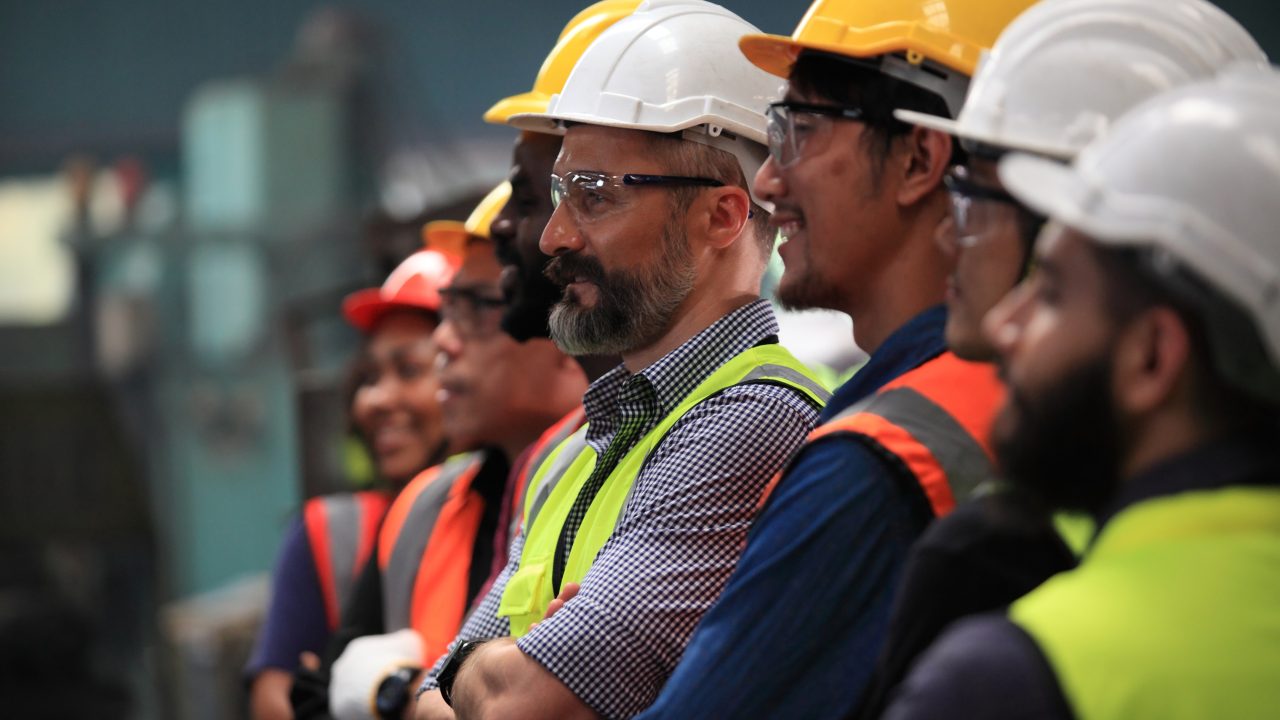
Onsite construction safety is non-negotiable in preventing TBIs and all other construction injuries. Construction enterprises must provide the necessary PPE, including hard hats, safety goggles, high-visibility clothing and nonslip boots to avoid head injuries from hard impacts, falling objects, loss of footing and eye damage. For instance, flying debris thrown by heavy equipment can severely harm workers who do not wear the proper gear.
Other ways to protect construction workers from a TBI include:
- Installing guardrails and safety harnesses for those working at heights
- Regularly testing and maintaining all equipment and machinery to ensure it works correctly
- Providing comprehensive training to all workers on safety protocols and equipment use
- Promoting open and transparent communication amongst construction teams so everyone is aware of potential hazards
- Conducting regular risk assessments to determine potential dangers on the construction site and find areas for improvement
- Ensuring the worksite is clutter-free to decrease the risk of falls, trips and slips
- Encouraging workers to remain aware and on high alert of their surroundings and the potential hazards throughout the day
Additionally, construction companies should implement prompt reporting procedures in case of an incident. Documenting a TBI—including the response and why it occurred—is critical to ensure proper support for the employee post-injury.
SUPPORTING INJURED EMPLOYEES
The earlier a construction team intervenes with a TBI, the better the chances of survival. Studies show that half of TBI deaths occur within two hours of the injury. Every case is different and will require individualized treatment, but adequate response means fellow workers and construction managers should monitor the injured individual for new symptoms as medical care arrives.
Providing staff with mental health aid like counseling and support groups can make a difference during recovery. Construction decision makers should remain patient and understanding as the injured laborers adjust to the changes in their abilities, providing reasonable accommodation if they return to work. Assisting the family during recovery by offering support and pointing them toward suitable organizations can also help.
Team leaders should inspect and secure the construction site on a daily basis to ensure it follows all safety protocols. Additionally, they must reinforce safety procedures and training for all individuals on the job. Protecting everyone at the worksite should be the industry’s top priority, ensuring all know how to protect themselves and their teams from harm.
SEE ALSO: ONLY 20% OF CONSTRUCTION WORKERS REPORT INJURIES LINKED TO MENTAL DISTRESS