A few things are guaranteed to come with summer: vacations, the end of school, warmer weather—and traffic jams. For drivers on the road, this can be a frustrating season—but for construction crews, it can be the most dangerous one. Summer means more jobs on the list and more teams traveling, which, combined with increased traffic, can lead to safety and productivity issues.
A recent Verizon Connect study revealed the majority (71%) of workers in construction and landscaping nationally are increasingly challenged by traffic congestion, making it more difficult to complete jobs on time. The summer season magnifies this challenge, as roads become busier and, according to the Insurance Institute for Highway Safety (IIHS), drivers are at a higher risk of becoming involved in a car accident.
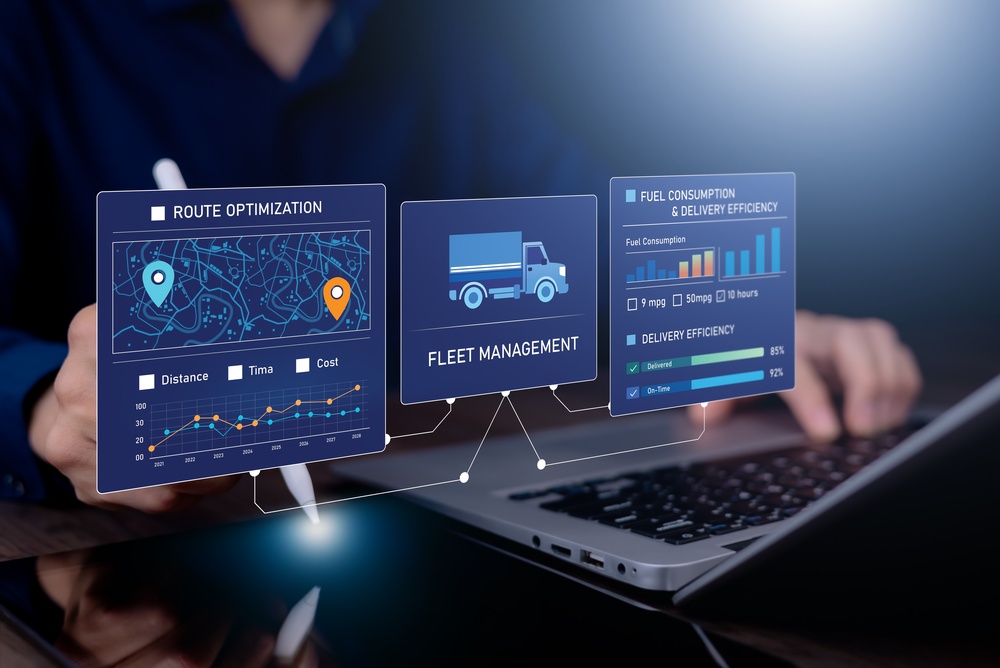
With road safety and service quality a top priority, taking advantage of technology advancements is one way fleet managers can help promote better business and safety outcomes. And while GPS technology is well recognized for its use in getting from point A to point B, advanced GPS fleet tracking solutions can help create safer fleet operations, while also improving the bottom line of a construction business.
1. Understand Driver Behavior
A commitment to safety is a critical investment for the long-term success of a business. By using a fleet tracking system, a fleet manager can monitor specific driving metrics such as speeding, harsh braking, excessive acceleration and seatbelt use—all without actually being in the vehicle with the driver. A fleet manager can also automate driving alerts, so when a dangerous incident occurs, he can quickly respond.
GPS fleet tracking can also be used to gain valuable insights into individual drivers and their driving habits. By keeping a record of past behavior, this technology can help a fleet manager identify the appropriate benchmarks for a driver and also set organization-wide safety goals that establish standard operating procedures for fleet safety that can help improve the overall business.
2. Future-proof the Bottom line
Keeping safety top-of-mind for construction crews can help safeguard business margins. Here are specific ways fleet tracking systems can help.
- Lower insurance costs by tracking safety KPIs and results. Fleet managers can use reports on driver performance and vehicle use to help negotiate reduced rates and discounts.
- Reduce maintenance by coaching drivers on unsafe and damaging driving behaviors. Speeding, harsh braking and quick starts can cause wear and tear on vehicles. Coaching paired with data from GPS fleet tracking can help reduce unnecessary repairs.
- Improve fleet health with routine vehicle service alerts. These proactive alerts can extend the life of fleet vehicles and also reduce interruptions to a business by scheduling appointments in advance when it is most convenient.
- Decrease accidents by tracking and coaching driver behavior. Fleet managers can help prevent accidents before they happen by identifying areas where drivers need coaching and customized training.
3. Safeguard Business Assets
Successful projects need a variety of vehicles and equipment and keeping track of all owned, rented and specialized pieces of equipment is essential to current and future jobs. Fleet tracking systems can help protect a business’ valuable assets by setting up alerts to trigger when a vehicle has been moved without authorization or is outside the approved geofence or time frame.
If something looks out of the ordinary, or if a fleet manager believes a truck may have been stolen, the fleet tracking system can also pinpoint the location easily and help aid the authorities in tracking it down. While there is no such thing as theft proof, leveraging additional protections with this advanced technology can help give fleet managers and business owners peace of mind.
4. Improve Customer Satisfaction
Customer satisfaction is one of the most crucial aspects of business since it is what keeps a business going. By using GPS tracking systems, fleet managers can operate more efficiently. Improved arrival times, enhanced driving routes, time saved by automation and digital reporting and location tracking if a driver is running late can all help deliver better results and help improve customer satisfaction that can increase customer referrals and return business.
Whether it’s providing near real-time location updates, reducing breakdowns or improving vehicle security, GPS fleet tracking solutions can provide numerous benefits to help fleet managers keep their teams and vehicles on the road and safe this summer.