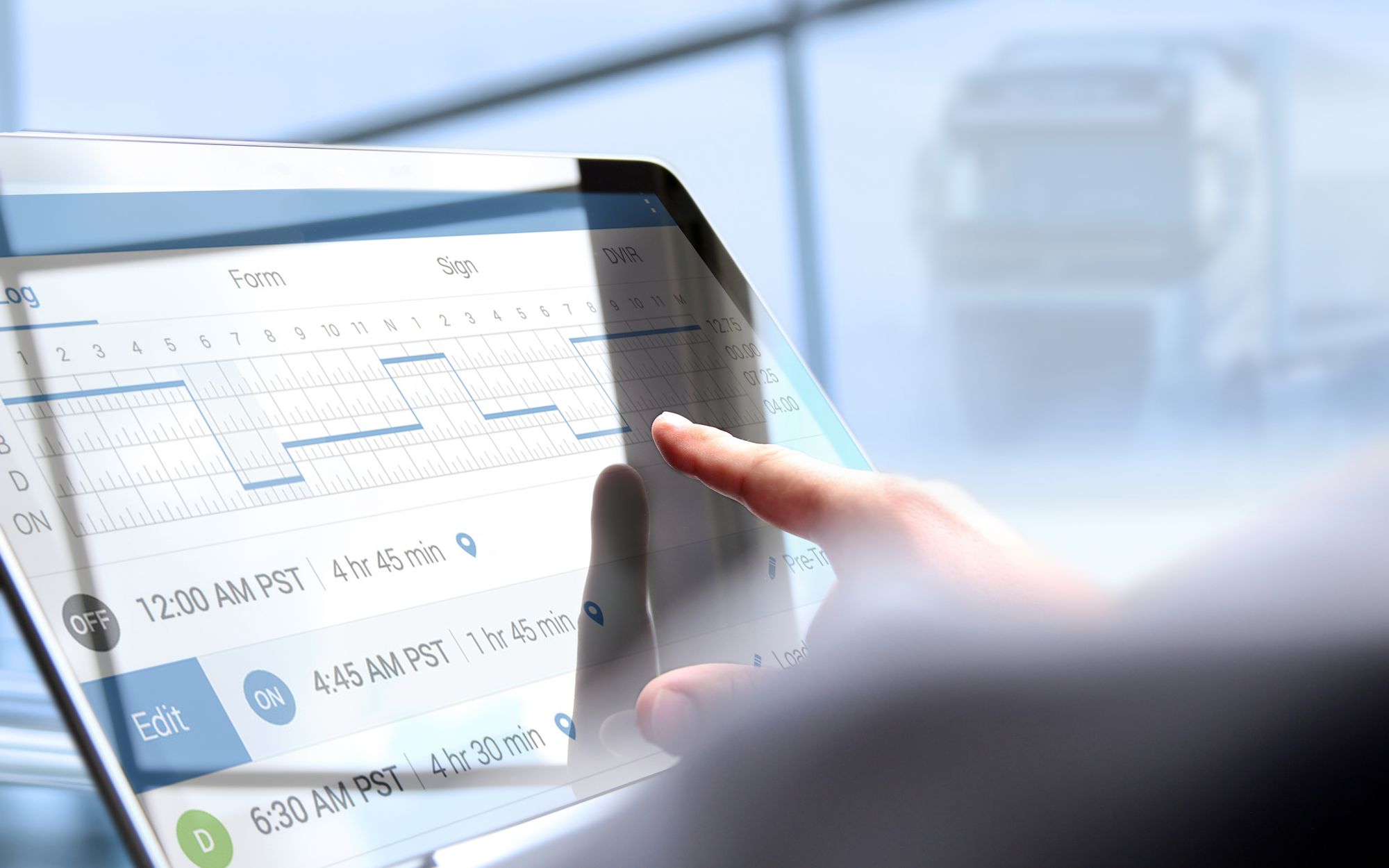
Since the electronic logging device (ELD) mandate was implemented in 2018, many vendors have appeared in the marketplace claiming to offer a complete and compliant solution. Even though many companies were quick to adopt ELD solutions in 2018, the construction industry is bracing for the next round of activity as those companies with an automatic on-board recording device (AOBRD) will see their grace period end and must convert to an ELD by December 16, 2019.
With the sheer number of choices and type of solutions available, it is essential to assess options carefully and select a technology partner that can not only help gain insight into fleet operations but also address fleet needs to increase efficiency.
When it comes to selecting the right ELD solution, there is no “one size fits all” solution. Each fleet requires a unique solution to achieve the largest return on investment. For example, there is a growing demand for company-owned, personally enabled (COPE) devices. This approach gives drivers mobility, while also allowing corporate control of devices in the key areas of security, safety, cost and support measures. Another strategy a fleet manager might consider is “bring your own device,” using computer-assisted logs or low-cost telematics. For other fleets that use company assets and drivers, an industrial grade mobile platform using company-owned devices might offer the most return, as it eliminates certain risks associated with having drivers provide their own devices.
ELD systems are typically installed in the cab of a truck and include a display and onboard computer that provide voice communications, navigation, process tracking (which can be driver initiated or automated) and hours of service information. It is important to note that COPE solutions are not reliant on a driver’s mobile device for communication. Data can be transmitted wirelessly to the back office, allowing fleet managers, safety managers, dispatchers and other business areas of operation to review job progress and fleet location in near-real time. When the vehicle is not in operation, mobile solutions also give drivers flexibility and allow for extended productivity. Drivers using a smartphone or tablet outside of the cab can perform walk-around vehicle inspections and complete proof of delivery forms.
Making the Transition
Transitioning a company from manual to electronic logging systems means more than simply changing the hardware and software—the change will affect most aspects of the company, including the culture. For this reason, leadership must establish a clear vision and transparent implementation plan. Whether the plan unfolds all at once or is implemented in stages, it is essential that all involved parties are continually updated and informed on the process. The implementation team may consist of the following representatives, who are accountable for the project’s success and for reporting progress at scheduled intervals throughout the implementation:
- Management Representative. This person is responsible for the overall success of the fleet management program. By confirming management’s commitment to the project, the representative fosters support throughout the organization. This executive sponsor and cheerleader understands the company’s vision and is typically the vice president of strategic planning, operations or whoever heads up safety/compliance.
- Finance Representative. Fleets implementing a more sophisticated solution to help them achieve greater performance rely on this person to manage and issue analyses of key performance indicators such as scorecards, dashboards and other measurement tools, and comparative progress reports. Determine five or six measurements of success for the operation and rely on the provider to identify the source of the data to support these measurements and deliver accurate scorecards.
- Technology Representative. This person is responsible for network connectivity and all third-party applications that support the end-to-end system. Operations rely on this person to ensure the technology performs at a high level day in and day out. For fleets leveraging their solution to gain efficiencies across their operation, it is important to maintain the perspective that operational improvement is driving the use of technology, rather than technology driving operational processes.
- Maintenance Representative. This person is responsible for the management of device inventory, installation and service. Be sure to give this person access to performance data from the engine control module. In turn, this data provides management with valuable information to make better fleet management decisions, achieve a favorable return on investment and ensure compliance.
- Operations Representative. This person is responsible for planning, dispatch and driver activities; in other words, ensuring day-to-day use of the technology. It is critical that this person buys into the vision since his or her personnel must live with the results that the implementation ultimately generates.
- Driver Manager Representative. This person is responsible for driver adoption and use by managing training, peer communication and other initiatives that create successful use of the technology from day one. Driver support is key to compliance.
- Technology Provider. This person is the mortar that holds together the various representative bricks to ensure that a solid foundation is being built. Management should feel confident that the provider selected will not only meet expectations but will deliver results fueled with a return on the investment as a true partner.
Change can be difficult for any organization. However, when companies implement change, it can have positive effects on both driver safety and the bottom line. The right solution can help all business areas of the company including sales teams as they monitor customer deliveries. Fleets that have implemented automatic onboard recording devices have experienced reduced overhead, insurance premiums, fuel and other operational costs while improving customer service and driver efficiency—all adding up to a better business.