Nearly 100 workers are killed in the United States each year, and a further 20,000 are seriously injured in powered industrial truck (PIT) incidents. Furthermore, impacts with pedestrians are the second most common accident involving PITs.
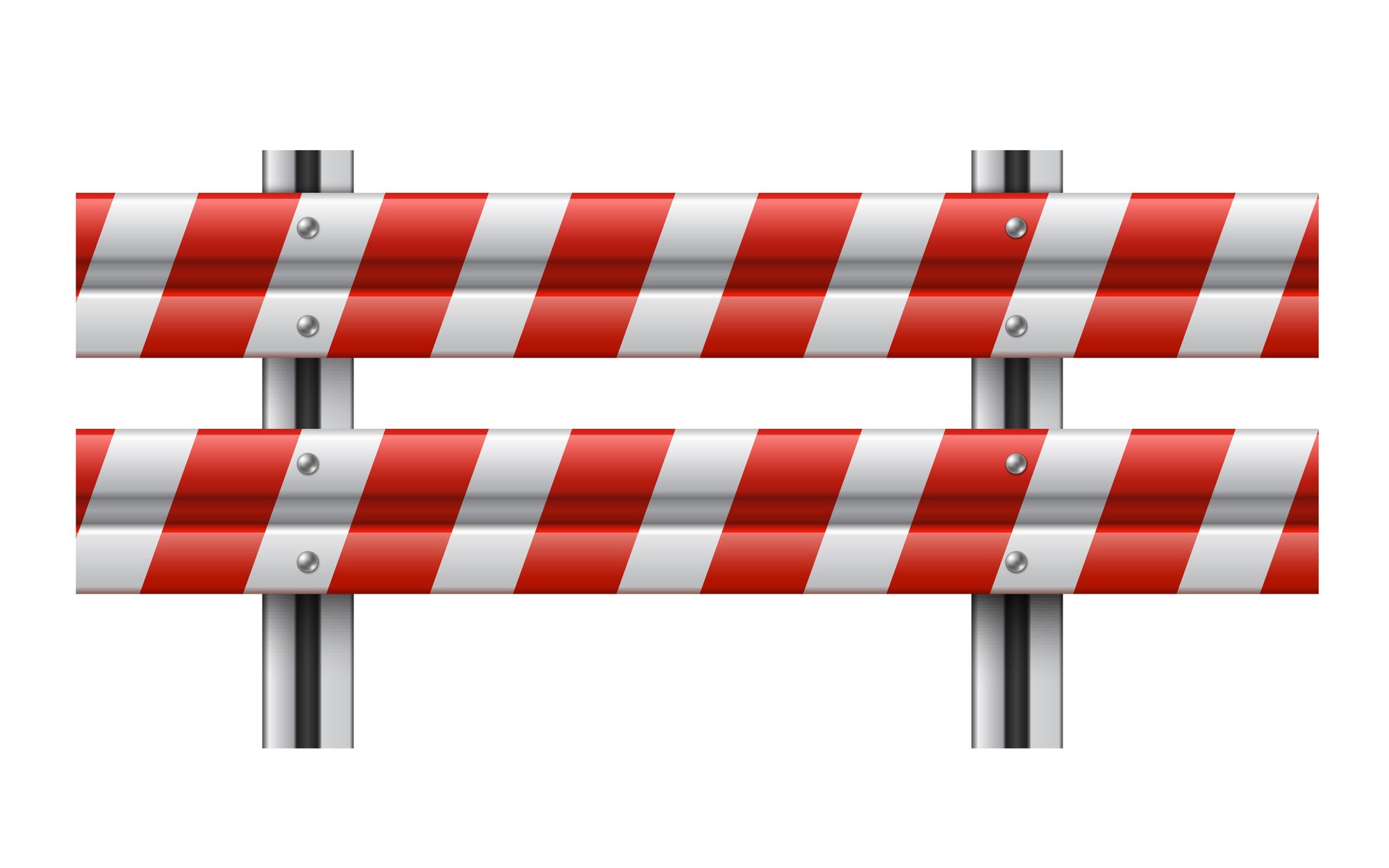
Properly designed guardrails are an excellent way of protecting pedestrians adjacent to mobile equipment aisles. They also prevent individuals from straying into areas where they are not permitted: for example, where PIT traffic is operating. Without guarding in place, distracted pedestrians and drivers might not always be aware of the dangers present.
It is important that professionals making procurement decisions in industrial facilities understand what is meant by fit for purpose before deciding on a protective guarding equipment installation. In short, it means guardrail systems designed to have the ability to safely stop or deflect the known hazards of a warehouse—principally PITs. (Although pallet jacks and mobile personnel equipment are other common industrial vehicles that may pose a danger to pedestrians in such environments.) Ideally, the protective guarding equipment will serve its function while allowing as little damage as possible to the guarding system and flooring in the event of an incident. Warning and visibility coloration are further considerations, while aesthetics can be a secondary issue, as facilities managers and owners seek a desired look for their site.
Forklift mass
Failing to install fit-for-purpose guardrails contributes to the alarming statistics earlier referenced. Forklift traffic is very different from automotive traffic in that industrial trucks have much higher masses and travel at lower speeds. They also do not have crumple zones, which are a structural safety feature found in vehicles built for highway use. As such, fit-for-purpose guardrails differ from common highway guardrails or even in-house/shop-built barriers that prevent generic vehicle penetration. These are often found in warehouses but do not offer the protection the owner is misguided into thinking that they do.
A vehicle traveling with a certain mass and velocity has a calculable amount of kinetic energy. Forklift energy is lower than other vehicles. Furthermore, impact heights vary greatly depending on the PIT size and loads carried. Accordingly, industrial guardrail is engineered for the type of traffic it is meant to contain and is typically higher to account for the various potential impact heights. Dangers associated with not fit-for-purpose guardrail, which also often lack appropriate coloration, include pedestrians climbing over a rail to get to a desired location.
Note that OSHA states guarding must have a height of at 42 inches to be considered a true barrier. This is often confused with OSHA’s requirement for fall protection above a height of 48 inches.
Conclusion
OSHA recommends separating pedestrians from PITs but has never mandated it, leaving the protective guarding decision at the owner’s discretion. Thus, the common bad practice related to fit-for-purpose guardrail is not installing it. Forklift incidents with pedestrians, equipment and/or buildings are often severe, even at low speeds. All traffic paths, danger points, and likelihood of collision in certain areas must be extensively considered before an installation is designed for a specific warehouse or industrial facility. Fit-for-purpose guardrail is too often the last consideration in planning a facility layout or thought about only after an accident has occurred. Don’t let the next accident statistic to be attributed to your facility.