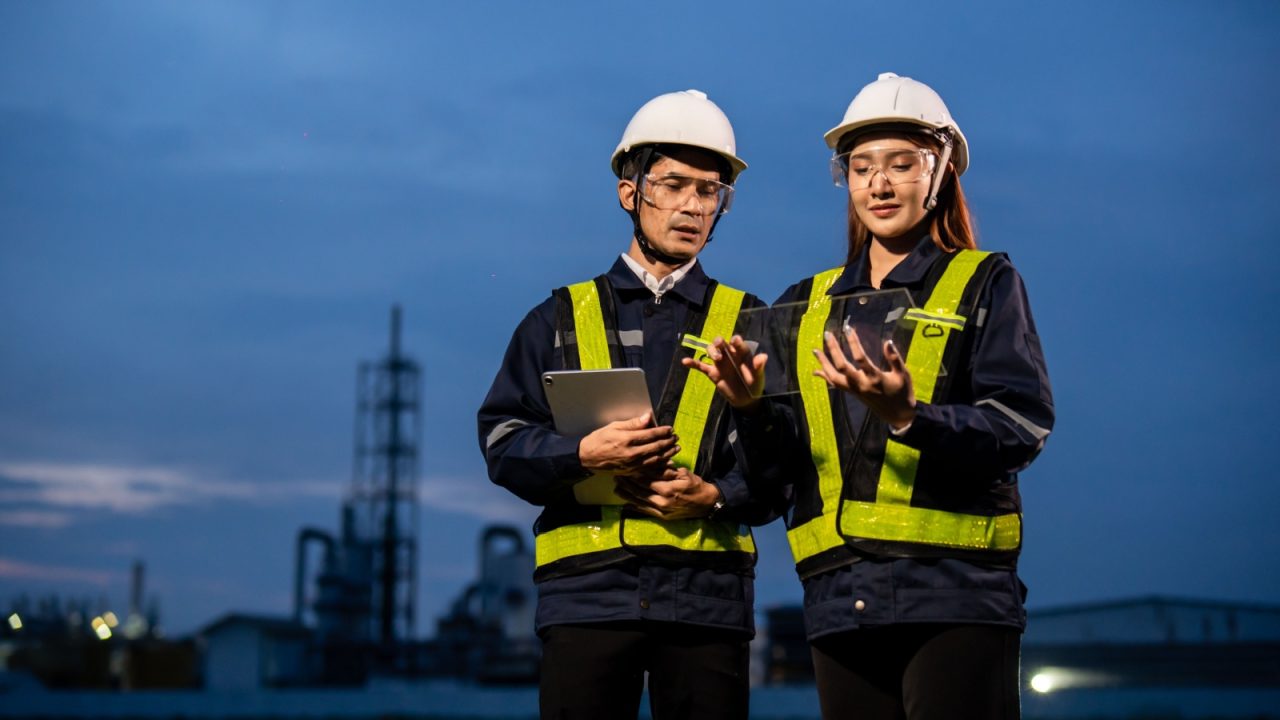
Each year, millions of U.S. workers are exposed to extreme heat or work in high temperatures. Although illnesses and injuries from occupational heat exposure are preventable, thousands suffer illnesses and injuries and some cases are fatal. On a typical hot day, regulating body temperature can be difficult for workers exposed to heat. As temperatures rise during summer months, so does the likelihood of heat-related deaths. According to a 2019 study published in the American Journal of Industrial Medicine, 75% of heat-related fatalities occurred during the summer months of June, July and August. Those that work in construction, labor and outdoor trade industries are often at higher risk for heat-related injuries and illnesses on the job.
Since March 2020, Americans have had to alter their personal and professional routines and adjust to the varied working conditions amid the ongoing COVID-19 pandemic. Under the discretion of federal, state and local authorities, service providers and businesses deemed non-essential shut their doors. Across the country, construction, utility and workers in other essential sectors were instructed to maintain their regular duties, with new safety precautions and additional health measures imposed. Now, construction and utility work has resumed, outdoor laborers are back in the field, and a host of other professions are returning to the workplace as some states begin a phased reopening process. The Centers for Disease Control and Prevention has recommended workers wear a face mask when social distancing requirements cannot be met to prevent the spread of COVID-19. In many states, wearing a mask on the job is mandatory.
With temperatures rising in many areas of the country and work sites requiring social distancing and face mask usage, it’s more important than ever for workers to be aware of the heightened risks of on-the-job heat stress. This is particularly important for the construction sector, where N95 masks are a staple for on-the-job protection, and some studies suggest that wearing these masks can raise body temperature and make it seem warmer and more difficult to breathe. Extra vigilance is needed this summer in order to recognize the signs of heat stress and prevent heat-related illness and injury.
The Dangers of Heat-Related Injuries and Illnesses
When the human body is exposed to hot environments for long periods of time, it may be unable to maintain normal body temperature and various heat-related illnesses can occur. The most common heat-related injuries and illnesses for workers are heat rashes, heat cramps, heat exhaustion and heat stroke, with the latter being the most serious heat-related health issue. According to the CDC, common side effects of these conditions may include slowed response time, impaired thinking, dizziness, sweaty, slippery hands, muscle fatigue, cramping and clouded eyewear that may block vision.
Occupational risk factors for heat illness often depend on the specifics of the worker’s job. Such risk factors can include physical exertion, exposure to high temperature and humid conditions, low fluid consumption, warm or hot environmental conditions, lack of acclimatization, and wearing protective clothing that holds in body heat. Construction work and related jobs, such as welding and roofing, are often at an increased risk of heat-related injury due to the nature of the daily tasks.
Heat Stress Risks Amid COVID-19 Restrictions
According to the CDC, construction workers are at a particularly high risk of heat stress fatalities and injuries resulting from on-the-job heat exposure. Between 1992 and 2016, 285 construction workers died from heat-related causes – more than one-third of all U.S. occupational fatalities due to heat exposure.
One of the most common methods of preventing heat-related injury is the “buddy system,” whereby coworkers monitor each other for signs of heat stress to prevent the onset of an injury. However, the CDC has warned that as workers social distance and wear facemasks to prevent the spread of COVID in the workplace, the signs of heat stress may be more difficult to recognize.
According to an Annals of Occupational Hygiene (2012) study on the impact of facemasks on human thermoregulation, the use of protective facemasks can negatively impact the body’s respiratory and dermal mechanisms to keep the body cool. The study showed relatively minor reported increases in core temperature that were directly attributable to the wearing of facemasks, and suggest that associated perceptions of increased body temperature may have a significant psychological component.
Similarly, a 2005 study published in the International Archives of Occupational and Environmental Health determined that N95 mask usage can alter an individual’s perception of breathing difficulty and discomfort, thus making it seem warmer and harder to breathe and consequently increasing heat stress.
Tips to Protect Against Heat-Related Illnesses and Injuries in the Workplace
Since most heat-related injuries and illnesses are preventable, workers, site managers and employers should take steps to minimize the likelihood of these incidents on the job. Recognize the signs of heat illnesses and injuries and know how to treat them:
- Heat rashes. Look for red clusters of small blisters that look like pimples on the skin. These commonly appear on the neck, chest, groin or in the elbow creases. What to do: Stay in a cool, dry place; keep the rash dry; and use powder (e.g., baby powder) to soothe the rash.
- Heat cramps. Look for heavy sweating during intense work and blisters on the skin. What to do: Stop performing physical labor and move to a dry, cool place; drink water or sports drink; wait for cramps to go away before returning to physical work activity. Seek immediate medical help if: Cramps last longer than 1 hour; the worker is on a low-sodium diet or has heart problems.
- Heat exhaustion. Signs and symptoms include rapid heart rate, excessive sweating, extreme weakness or fatigue, dizziness, nausea, vomiting, irritability, rapid, shallow breathing, and/or a slightly elevated body temperature. What to do: Move the worker to a cool area; loosen tight clothing; encourage them to drink plenty of water or other cool beverages; place cool, wet cloths on their body or allow them to take a cool shower. Seek immediate medical help if: Worker is throwing up; symptoms worsen, or symptoms last longer than 1 hour.
- Heat stroke. Heat stroke is a medical emergency. It can be fatal or cause permanent disability. Signs and symptoms include high body temperature; confusion; loss of coordination; hot, dry skin or profuse sweating; throbbing headache; and seizures or coma. What to do: Dial 911 immediately. Move the worker to a cool, shaded area; help lower the worker’s temperature with cool, wet cloths or cool bath; and continue cooling the worker until EMS arrives.
Plan Ahead to Protect Workers
According to OSHA, employers should develop a heat illness prevention plan to protect their workers. Employers should designate an individual at the worksite to monitor conditions and implement the heat plan throughout the day. These individuals should be properly trained to identify and control heat hazards, recognize the early signs of heat stress, administer first aid for heat-related illnesses and injuries and activate emergency medical services quickly when needed,
Special Considerations Amid COVID-19
According to the CDC, as the COVID-19 virus is thought to be spread mainly from person to person, workers on construction sites should social distance from one another by maintaining a safe working distance of six feet. When social distancing cannot be implemented, masks should be worn. Breaks should be staggered to ensure employees are not in tight-knit quarters at the same time. Steps should also be taken to reduce areas where people would typically gather, such as elevators or entry and exit points.
Workers must take regular precautions to prevent heat stress during their daily routine, with additional measures to prevent the spread of COVID-19. Employees working in excessive heat must take care to avoid overexertion, work at their own pace and take rest breaks when necessary.
Workers must take frequent water breaks, but should not share water bottles or cups when hydrating. Dehydrating drinks should be avoided, such as coffee and soda. Regular sun protection, such as sunglasses, hats and sunscreen, should be worn. If in a position to do so, monitor weather reports and be aware of heatwaves when conditions will be warmer than usual and plan accordingly.
The CDC also suggests an altered version of the “buddy system” to monitor for heat stress amongst coworkers. Construction workers should ask each other questions about how they are feeling during the workday in order to assess the signs of heat-related illness, rather than relying solely on visual cues.
Following a Work-Related Heat Injury or Illness
While no one anticipates that they will suffer an on the job injury or illnesses, it’s important to be prepared and take action should an incident occur. First and foremost, it’s important that an injured or sick worker to remain calm and, if necessary, call 911 and seek immediate medical treatment. Injured or ill workers should have their conditions properly evaluated, documented and treated by a medical professional.
Following treatment, a worker should file an accident report and file a workers’ compensation claim. In most instances, workers cannot sue their employers for an injury or illness that occurs in the job. Instead, he or she may file a workers’ compensation claim to recover losses, pay medical bills and collect lost wages, total and partial disability and wrongful death benefits.
If one suffers an injury or loses a loved one due to the negligence of a third-party or entity, outside of an employer, the victim can recover losses through a personal injury lawsuit. Damages awarded in these claims are provided to make victims “whole” and can include compensation for medical expenses, lost income, future wages or diminished earning potential, pain and suffering, as well as mental anguish, quality of life loss and other emotional injuries. An injured or ill worker who wishes to seek legal recourse through a personal injury claim should consult a personal injury attorney who can review the details of the matter and advise them of their legal rights and remedies.
Heat-related illnesses and injuries can have serious, sometimes fatal effects. However, with proper protocols, safety standards and precautionary measures in place, a majority of these incidents can be avoided. Workers in construction, labor and outdoor trade industries are at a high risk of serious injury due to heat exposure. Thus, employers should set the standard of safety and take measures to protect workers, especially during the high-temperature months of summer. Workers who suffer a heat-related injury or illnesses may be able to recover medical and disability benefits through a workers’ compensation claim and those injured due to a third party’s negligence may be able to seek legal recourse through a personal injury lawsuit.