Since taking office, President Biden has wasted no time beginning to make changes that will have an immediate impact on the construction industry. From his $1.9 trillion “American Rescue Plan” to his record setting number of executive orders, President Biden has begun painting a picture of changes that could be coming including changes under the Occupational Safety and Health Administration.
President Biden has named Boston Mayor Marty Walsh as his nominee for Secretary of Labor. If confirmed, he would be the first union member to serve as Labor Secretary in nearly 50 years. Given the fact the nation is still in the midst of a devastating pandemic, the focus of most employers is how Walsh will treat workplace safety and health issues.
With respect to OSHA and workplace safety and health issues, the Trump Administration relied upon issuing COVID-19-related citations under OSHA’s “general duty clause.” However, enforcement of the general duty clause can be difficult because it is just a general standard. President Biden, on the other hand, has already signed an Executive Order to increase enforcement of existing OSHA standards and to investigate whether a new standard for COVID-19 mitigation is needed.
Per the order, the investigation will include determining whether masks should be required at worksites. And, if implemented, an emergency COVID-19 regulation would make it much easier for OSHA to issue citations at construction worksites that are not properly protecting workers from potential exposure to the virus. The deadline for OSHA to issue this emergency standard is March 15, 2021.
Furthermore, Biden is expected to increase the number of OSHA inspectors from the current 761 which is down almost 25% from a decade ago. The president has indicated that he will potentially double that number of inspectors which will without doubt increase the likelihood of OSHA presence at jobsites. Therefore, construction companies should expect to see an increase in the number of OSHA site visits and corresponding citations in the near future.
It is critical that contractors assess any jobsite safety hazards now to avoid being the target of increased OSHA surveillance.
In fact, on Jan. 29, OSHA issued stronger worker safety guidance to help employers and workers implement a coronavirus protection program and better identify risks which could lead to exposure. This guidance appears to suggest that OSHA could soon require employers to implement a coronavirus protection program. OSHA is suggesting that an employer’s coronavirus protection program include several essential elements to prevent the spread of the virus including:
- conducting a hazard assessment;
- identifying control measures to limit the spread of the virus;
- adopting policies for absences that don’t punish workers but encourage potentially infected workers to stay home;
- ensuring that policies are communicated to both English speaking and non-English speaking workers; and
- implementing protections from retaliation for workers who raise coronavirus related concerns.
Additionally, OSHA’s recent guidance addressed how employers should handle vaccinations as they become more readily available. OSHA suggests that employers should provide information and training to employees on the benefits and safety of vaccinations, and, if providing for employees to be vaccinated, employers should make it available at no cost to all eligible employees.
Further, employers should not distinguish between vaccinated and non-vaccinated employees. Vaccinated employees must continue to follow the same protective safety measures of non-vaccinated employees. OSHA again stressed the importance of wearing a face covering and following social distancing protocols.
Obviously, it is not just COVID-19 that employers need to be prepared for in terms of potential safety and health hazards on a jobsite. Until OSHA rolls out a specific COVID-19 standard, OSHA’s historical data is helpful in assessing what other safety hazards may be a target of the Biden administration’s anticipated increased enforcement efforts.
In fact, five of the top 10 most cited standards by OSHA fall under the Construction Industry standard. The number one most cited OSHA standard is fall protection under 29 CFR 1926.501. Additionally, OSHA often focuses on scaffolding requirements and ladder usage under 29 CFR 1926.451 and 1926.1053.
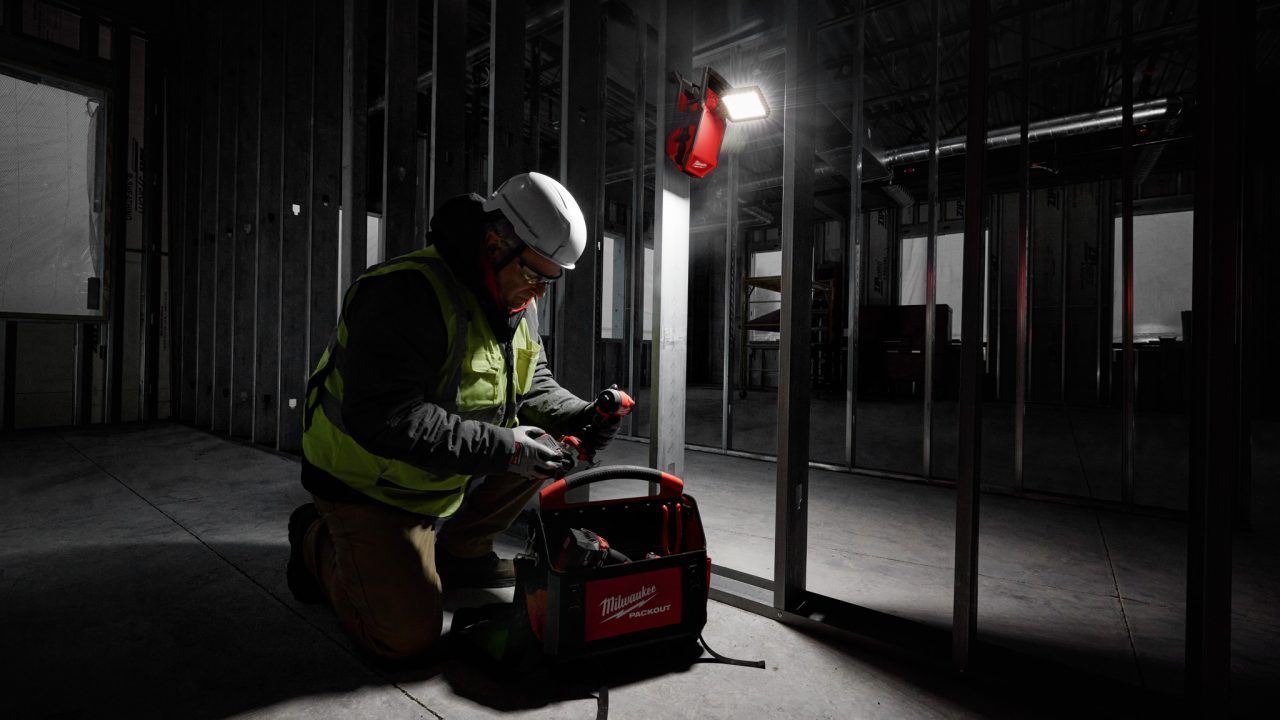
Finally, fall protection, including training (29 CFR 1926.503), and eye and face protection (29 CFR 1926.102) have historically been a focus of OSHA inspectors. These are certainly critical standards for contractors to make sure that they have assessed at their worksites to ensure compliance in the event that OSHA shows up.
Construction employers should always place a focus on employee safety and health by investing resources into identifying and eliminating hazards on their worksites. In doing so they will be better positioned to manage their workforces under the Biden administration by ensuring their COVID-19 safety policies and procedures, along with their safety training and hazard assessments, are compliant with CDC guidance and current OSHA regulations.