Aaron Witt has been a dirt enthusiast for as long as he can remember. Like many little boys, as a child he was fascinated by dump trucks, tractors, excavators, bulldozers—anything heavy equipment. If it pushed dirt, he was into it.
On his 6th birthday, Witt’s dad arranged a party at the Empire Caterpillar dealership in Mesa, Arizona. He and his friends got to play around on the tractors for a day, and from then on, he says: “I just kept loving anything earth-moving related.”
For many years, he loved it from afar. Witt’s dad was a tax lawyer, and he had no exposure to the construction industry from anyone close to him. As he entered his senior year of high school and was evaluating options for the future, a big construction project kicked off in his neighborhood.
“They were putting in a new storm drain, so there was a big 85-ton excavator and all kinds of cool stuff happening, and I’d go there after school and just watch,” he says. Every day, his fascination grew. “One day I was looking at the trucks, and they all said ‘Pierson Construction Corporation’—so I thought, why don’t I just call them up and see who runs the show?”
And that’s exactly what he did. Witt called Rich Pierson and asked him for a job, starting work as a laborer on a pipe crew right after graduation—and in doing so, found his life’s purpose. Fast forward just over a decade, and 29-year-old Witt has turned his passion for the industry into BuildWitt, a services organization dedicated to helping attract, train and retain the next generation of skilled workers. During a recent interview with Construction Executive, Witt talks about geeking out over heavy equipment, how saying ‘yes’ to opportunities has expanded his business beyond what he ever thought possible—and why he calls himself Chief Dirt Nerd.
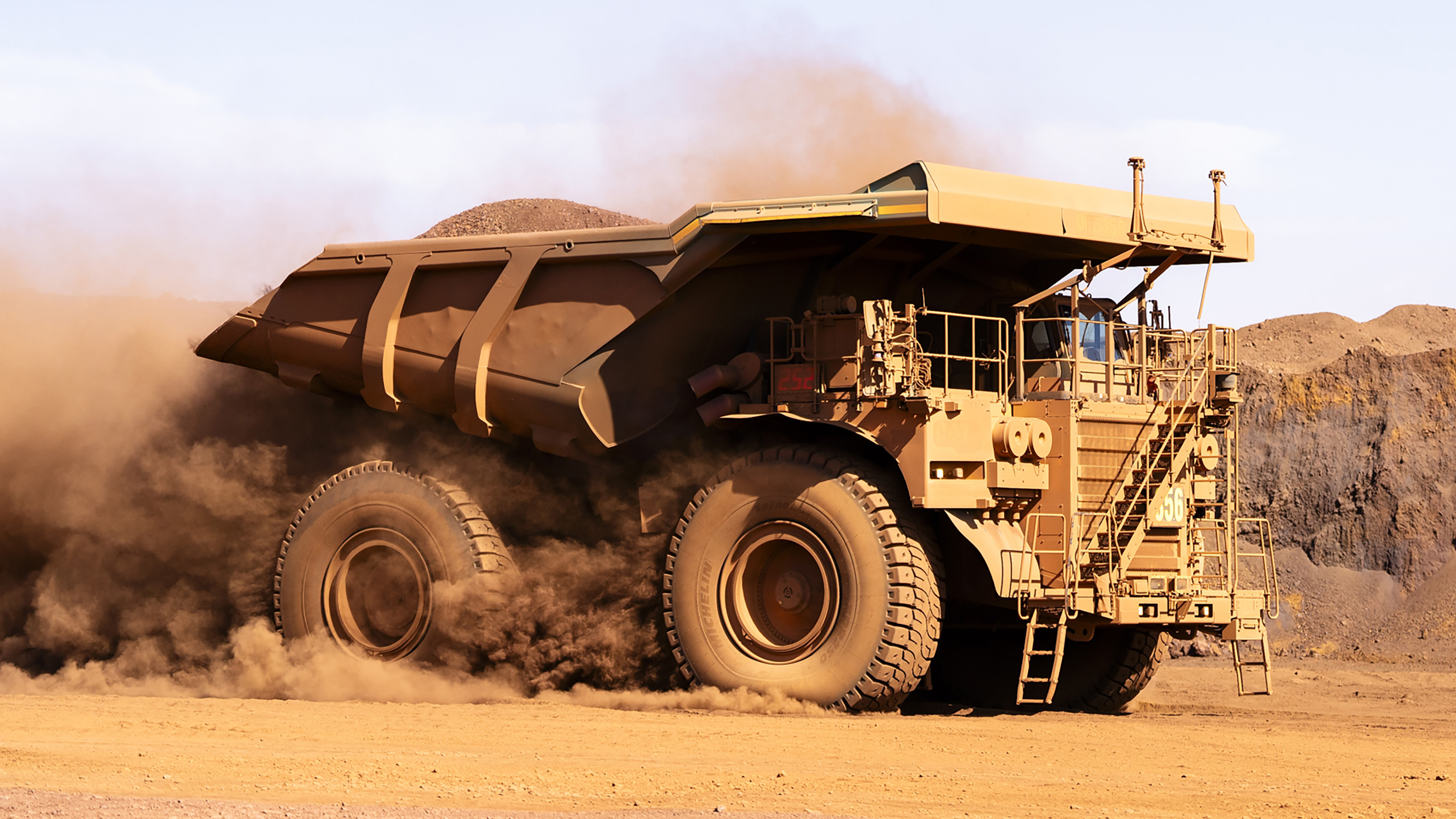
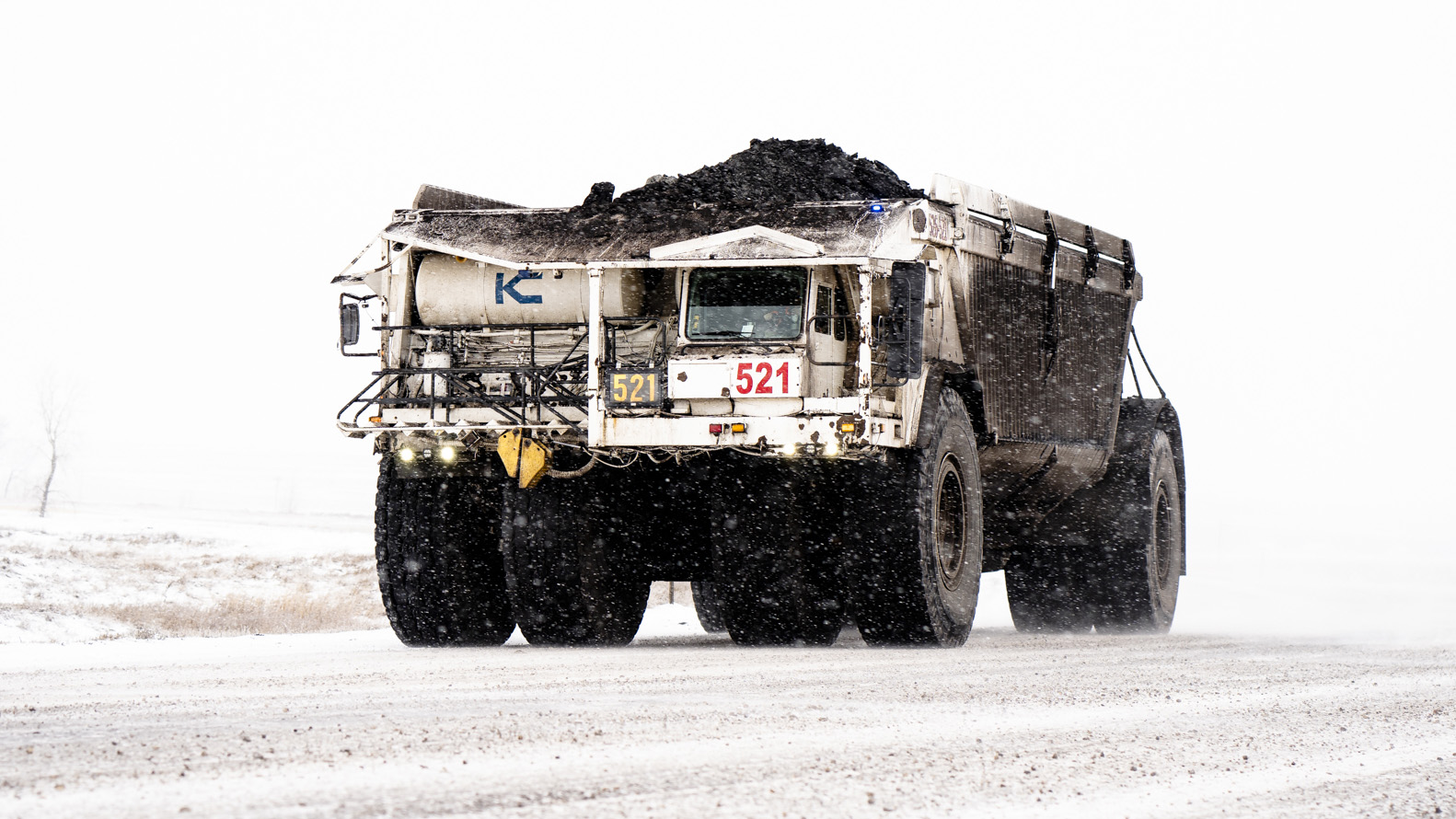
About eight years ago, CE purchased a license to some cool construction photos taken by a guy named Aaron Witt. How did that photography hobby evolve into what BuildWitt does today?
I got an engineering degree from Arizona State and moved to Texas to work in road construction after graduation. Just before I graduated, I had started sharing some photos and experiences on Instagram under the BuildWitt name with the intent to just build my brand. I knew that if I had a bigger individual brand, I would be more valuable to employers and it would give me more career options.
One day I got a call from a construction software company asking me to come run a program they launched to inspire the next generation of tradespeople. The job seemed too good to turn down, but I only made it there a few months because I had different ideas about how to inspire people. I was only there a short time, but it was really important because it showed me there was a bigger opportunity out there to tell this story. So that’s when I started doing basic media for construction companies, about six years ago.
So you came out of school with an engineering degree, but then started doing marketing work, and now BuildWitt does software, too. So how did someone with an engineering degree pull this off?
I think a lot of people think that you just have this great idea one day, like it just strikes you like a lightning bolt and there you go. There’s your plan. But it’s not like that—not for me at least. It’s been a series of me just following what I’m most interested in.
Day one, it was ‘hey, I can go buy a camera and figure it out.’ I can take some pictures of construction sites, and I think I can sell them. And then I’m asked for a website, and I’m just a dumb kid so I say sure, I can do a website. I had no idea how to build a website, but I was backed into a corner so I found someone who did.
Those two things evolved into a small marketing operation, but the reality of marketing is that it’s creative, services-based work and we could only impact a small number of companies. So we started thinking, how can we make this scalable? And we figured that out and grew from there. The historic focus has been the storytelling, the creative work. But over the past few years we’ve transitioned to more of a software company, and that’s the future of the business.
Tell me about the training software and events aspect of BuildWitt.
We had all this information from companies about how they were struggling with recruiting and training labor, and so we started thinking about how we could help with the training piece. We had all this video content, and we were good at it, and so we started developing training software. Today, we have the biggest library of training videos in the construction industry.
On the events side, our president Dan Briscoe and some of our other leaders had the idea in early 2023 to put together an industry event solely focused on leadership and workforce development. We weren’t an events business by any means, but we saw the need and decided to fill it.
Thank goodness we did. Our first Ariat Dirt World Summit had about 700 industry leaders attend, with well over 1,000 signed up for this year’s event. We’re hoping to make this one of the best leadership-specific events around, not just for the construction industry but anywhere.
Why is it so important to recruit the next generation of skilled workers and how does BuildWitt help with that?
Every time I’ve flipped the switch on the wall, the lights have come on. Every time I’ve turned the faucet, the water comes out. Every time I’ve had to travel somewhere, I can just get in a car or on a plane and go. I’ve never had to think about it; these things have always been there. But that’s the point: It doesn’t just happen by accident. You don’t wave a wand and have power, food, clean water and transportation.
Society is built upon what we call the dirt world—pipelines, roads, bridges, water, everything. That infrastructure has to be built by human beings. A large portion of the construction workforce is retiring in the next five to 10 years, and those workers have to be replaced.
When a storm runs through and power goes out, everything stops until the power goes back on, until the water comes back on, until the roads are clear. And that rebuilding doesn’t just happen—it takes a lot of hard work from skilled tradespeople to make it happen.
It sounds like you had parents that, though white-collar, encouraged you to pursue the trades if that was your interest. Why do you think some parents try to steer their kids away from construction?
I think it’s tempting to make it black and white—and it’s not black and white. There are a lot of different components. There’s issues with the higher education system. There’s the fact that a lot of these parents have worked backbreaking jobs their whole lives and don’t want that for their children. There’s the fact that the construction industry has done itself no favors by not telling its story, not educating people.
What I tell contractors is that we can sit here and debate this problem all day. We can say it’s the fault of colleges and we’re probably right. Or we can say ‘this generation doesn’t work as hard’ and we’re probably right. But we can only control the problem from our side of the fence, and that means doing a better job of telling our story. We can brand our companies well. We can train our people and invest in them—not just in their professional development, but in their development as people. We can get involved in the community. I think those are the companies that are going to win long-term.
Why is it important to you to travel to so many jobsites?
How could I not get excited about seeing the Bridgestone factory where they make the biggest truck tires in the world? Or getting to see a Formula One track repaved? I meet amazing people and develop relationships, and now I have one of the biggest social followings in the industry because we’ve been consistently telling these stories. That’s the core of our business.
I’m still in my twenties, I don’t have a family. Everybody says, do it while you’re young—so I’m going to run as hard as I can while I have the opportunity. Construction is cool. That doesn’t mean it’s not hard, dirty work. Sometimes it’s absolutely brutal—but that’s why the industry has the pride it does. And it’s my mission to showcase that.
You’re 29 years old. As a young entrepreneur, what would you say is your biggest challenge?
I think the biggest challenge over the past six years is just developing myself as a leader, while I’m still developing myself as a man. I’m still in my twenties; I’m still trying to figure out who I am. And I have to then be a worthy leader for a lot of other people who have families depending on them. That’s a big deal to me. I’ve made a lot of mistakes and said a lot of dumb things, but I’ve learned a lot of great lessons as a result.
Why do you love what you do?
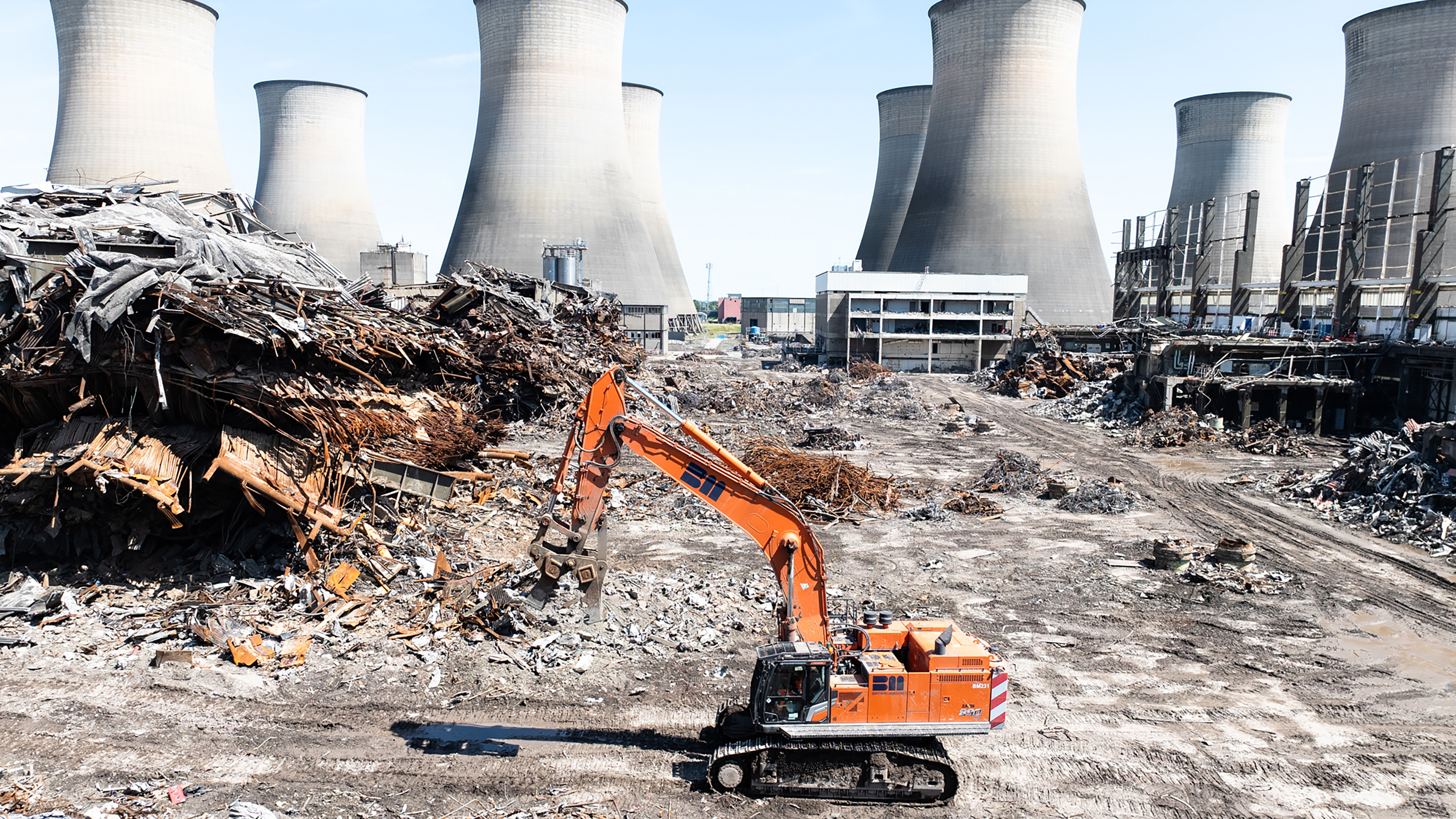
I just love being out on jobsites with these people that work hard and build amazing stuff. There’s nothing cooler to me; it’s why my title is Chief Dirt Nerd. I grew up going to nice places—Aspen in the summer, nice golf courses, fancy country clubs—but none of that interests me now. Take me to a landfill, to a power plant, to watch demolition for a tunnel project. All I want to do is just be with these people that make the world go round.
Ten years from now, what do you envision for BuildWitt and for the industry as a whole?
First and foremost, I don’t see the demand for infrastructure going anywhere. The volume of that type of work is going to be the same or greater ten years from now. I think that companies are going to become a lot more collaborative—fewer silos, less hyper-competition, more working together. We’re already seeing a lot of that.
There’s going to be a lot more technology integrated within sites. And I think company cultures are going to improve. ‘The way we’ve always done it’ just isn’t going to fly as the industry moves forward. I really believe the dirt world has what the next generation is looking for, in a way. It has camaraderie, a distinct sense of purpose and a cool factor—we just have to connect the dots to get them in the door.
I believe we can be a major player in helping companies develop their workforce more effectively. I think we can help companies recruit more effectively, train more effectively, develop people more effectively, keep people safer and just build better workforces. Within 10 years, I think we can be the most influential business in the industry. And I think we’re on our way.