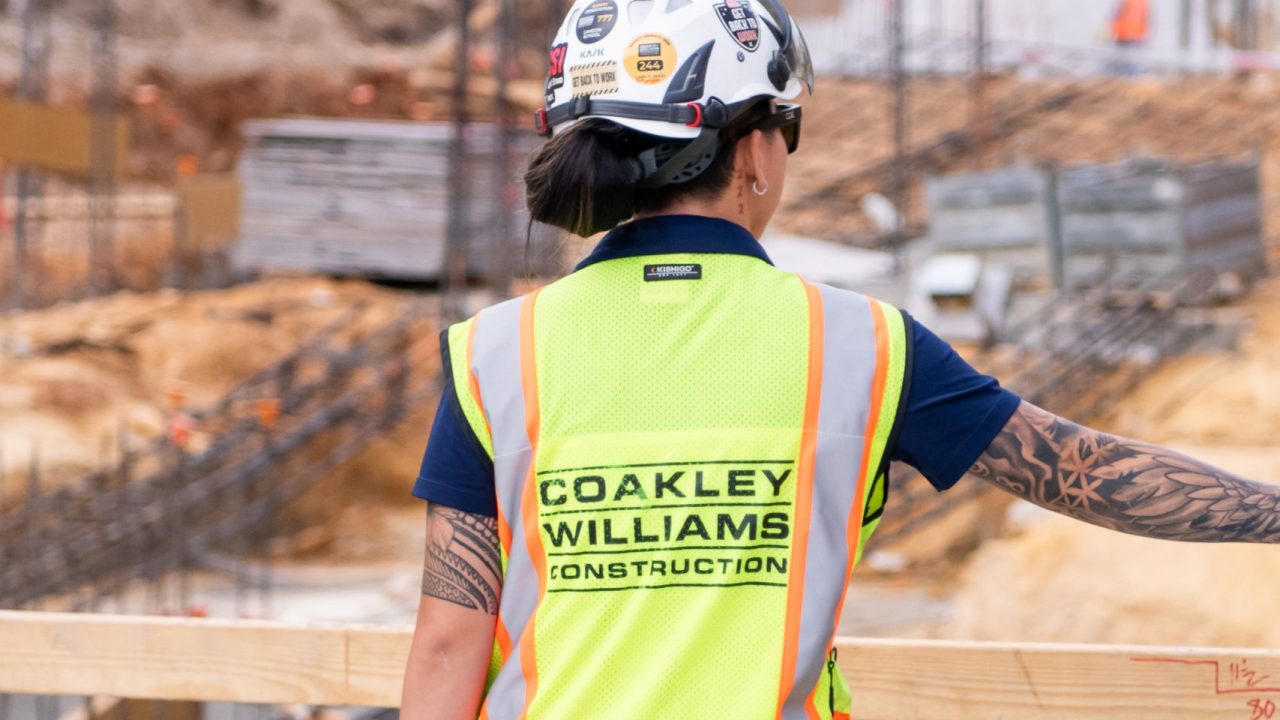
The construction industry has suffered from a skilled-labor shortage for years—and with baby boomers retiring at a faster rate than early-career workers are entering the industry, the problem isn’t going away anytime soon. To bridge this gap and attract a more diverse, modern workforce, the construction sector must harness the power of technology, both in the field and in the back office.
Leading construction businesses understand that embracing technology is crucial for growth and efficiency. They integrate technology into daily workflows to enhance communication, streamline operations and improve project outcomes. This tech-centric approach not only optimizes processes, it also makes these companies more appealing to new talent. Early-career workers who have grown up using technology are naturally drawn to workplaces that reflect their tech-savvy mindset and seek employers who are willing to innovate and adopt new technologies.
Technology plays a vital role in expanding a company’s pool of potential candidates. Digital platforms, such as social media and online job boards, allow businesses to reach a broader audience and showcase their company culture and values. Innovative tools such as virtual reality and augmented reality can offer immersive experiences, providing candidates with a realistic preview of the work environment. This not only attracts a diverse range of talent, but also helps ensure a solid cultural fit from the outset.
Retaining top talent is equally important—and technology can also enhance employee satisfaction. Platforms for remote work, flexible scheduling software and advanced communication tools contribute to a better work-life balance. Personalized learning platforms offer continuous professional development, ensuring employees feel valued and invested in their careers. These tools can make day-to-day tasks more manageable and foster a sense of empowerment among employees.
Many early-career workers are interested in careers that allow them to utilize and expand their tech skills. Innovations such as BIM, 3D printing, robotics and artificial intelligence can make careers in construction more appealing to this demographic. Utilizing these technologies helps businesses attract new employees as well as streamline processes, enhance safety and reduce their carbon footprint—outcomes that are good for business and appeal to a more diverse workforce.
Technology can also help businesses demonstrate their commitment to developing talent and helping workers advance in their careers. Technology makes training and skill development more accessible to businesses of all sizes. Pairing these advances with more traditional mentorship and leadership development programs helps businesses develop the next generation of construction leaders.
As the construction industry evolves, utilizing technology is essential for attracting and retaining a more diverse workforce. Embracing a tech-forward culture, leveraging digital tools in recruitment and retention, and investing in training and development can help businesses build a dynamic workforce that is well-equipped to meet the challenges of the future.