Traditional masculine societal norms have historically prioritized physical strength, emotional suppression and self-reliance, values that are still prominent within the male-dominated construction industry. While the industry has increased efforts towards inclusion, diversity and merit, along with bolstered mental-health support, the embedded history of traditional masculine values within construction has taken a toll on America’s top labor-intensive sector. A healthier, more inclusive future may be on the horizon, but there are still workforce issues to be addressed and ways to overcome them.
THE CULTURAL ROOTS OF MASCULINITY IN CONSTRUCTION
While construction workers are generally loyal to their trade and exhibit a strong work ethic, many outside of the industry—women, young workers, etc.—perceive the field as man’s work due to its highly physical nature, including operating machinery and lifting heavy materials while working in hazardous conditions. These cultural roots stem from the early labor movements and industrial growth of the 20th century.
During this period, humans revered physical strength as resilience. Those who could work in dangerous, physically demanding conditions reinforced the notion that only the toughest could survive. As a result, many workers have internalized the belief that success in the field stems from the ability to display toughness and avoid showing vulnerability.
This stoicism sets a long list of social expectations that discourage emotional expression, encourage risk-taking and stigmatize asking for help.
According to the U.S. Bureau of Labor Statistics, men make up approximately 89% of the construction workforce. When industries consist of mostly male workers, employees often feel pressured to prove their worth—a pressure that has consequences on individuals’ mental and physical safety in their working environments.
IMPACT ON WORKERS
Mental-Health Consequences
One of toxic masculinity’s most concerning effects is its impact on mental health. In an industry where stigmas of emotional vulnerability are high, workers are less likely to seek help when they need it. This contributes to alarming rates of suicide among male construction workers.
According to recent data, 25 men per 100,000 die by suicide in the U.S., compared to 7.5 women, reflecting a culture which leaves many men isolated in their struggles with mental health.
In addition to societal norms, a lack of mental-health resources might discourage men from seeking help, increasing levels of stress and anxiety and further exacerbating mental and emotional challenges.
Worksite Safety
Beyond mental health, the culture of toughness and self-reliance can have dangerous implications for worksite safety. This culture encourages workers to take risks in high-pressure situations, leading to more accidents and fatalities.
Clear and effective communication of safety guidelines and workers’ understanding of them is one key element of maintaining jobsite knowledge and expectations. Construction projects rely heavily on teams working together to execute tasks safely. However, a culture in which asking for help may be considered a sign of weakness can severely break communication. If workers hesitate to speak up about uncertainties, preferring to act independently, they put themselves and their people at risk.
Workplace bullying is also a common issue in construction, especially for younger workers. A study found that 30% of apprentices reported experiencing bullying, while 20% endured severe harassment. Apprentices who experienced bullying were more likely to report a lack of training and educational support.
This workplace dynamic of harassment and decreased communication leads to misunderstandings and incomplete knowledge of tasks. When communication and education stall, workers’ decreased awareness of hazards and proper safety procedures increases the risk of accidents.
IMPACT ON WOMEN IN CONSTRUCTION
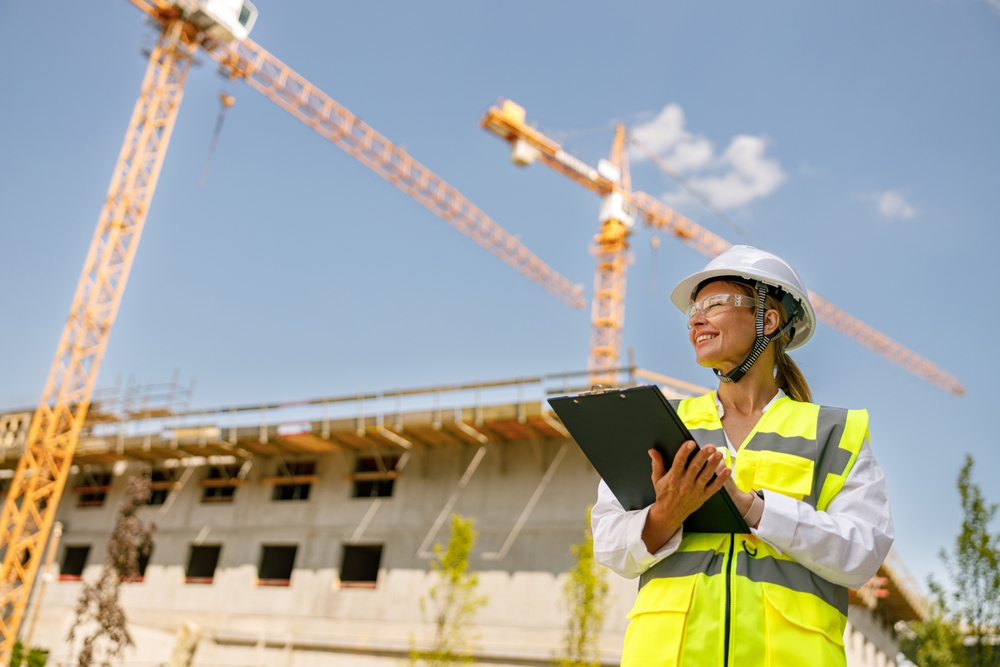
Despite recent efforts to improve diversity in construction, women still represent only 10.8% of this industry’s workforce.
Though the gender pay gap in construction is far less glaring than the average (women in the U.S. earn just 84% of what their male counterparts in the same role make, compared to 96% in construction), a gap exists nonetheless. Part of this inequity is because 47.7% of tradeswomen face discrimination in various parts of their work, including dealing with unsupportive or hostile environments. This discrimination takes many forms, from being overlooked for promotions to being assigned less desirable tasks solely based on the fact that some—but by no means all—men say they feel they cannot work underneath women.
Harassment is another large issue, with 26% of women in construction reporting having experienced workplace harassment. The psychological toll of such treatment has led to four in 10 women stating they have seriously considered leaving the industry.
Roxanne Guerrerio, founder and CEO of KCM Contracting Inc., highlighted these challenges in a recent interview. She remarked on the biggest issue since starting her business in a male-dominated industry: “The most obvious is that men and women who meet a woman in construction, especially in concrete and masonry, have the initial reaction that a woman just can’t possibly be doing that.” Her experience is far from unique, as many women must constantly prove themselves in a field where people often doubt and underestimate them.
The cumulative effect of these issues creates barriers that prevent women from thriving in construction. With meaningful cultural evolutions beginning to turn, the industry is hoping to not only retain talented tradeswomen in their professions but recruit even more.
DISMANTLING TOXIC MASCULINITY
The construction industry is still taking steps to move forward in a healthier, more inclusive way. Here are some actionable steps to fostering positive cultural change:
- Promote emotional intelligence and vulnerability: Create spaces where workers feel comfortable expressing concerns or discussing mental health without fear of judgment.
- Redefine toughness: Shift focus from physical toughness to mental resilience, teamwork and communication. Jobsite managers can do this by speaking up on the importance of seeking help and supporting one another as key elements of strength on the job.
- Incorporate mental-health resources: Provide construction workers with counseling and support groups. Awareness campaigns also reduce the stigma around mental health to encourage workers to take advantage of available support.
- Foster inclusive safety training: Safety protocols should prioritize open communication and collaboration. Utilize safety training to build teamwork and mutual support to dilute individual toughness mentalities.
- Address harassment and discrimination: Establishing zero-tolerance policies for harassment and discrimination will lead to clear expectations of mannerisms on jobsites.
- Lead by example: Managers and supervisors should model vulnerability, encourage open dialogue and support their teams in addressing toxic behaviors. They should also set the tone by actively promoting inclusion and emotional intellect.
BUILDING A HEALITHIER FUTURE FOR ALL
While masculinity has historically shaped the construction industry, some elements of that history are proving toxic today, but the industry has the opportunity to foster real change. Construction leaders and construction workers can come together to break down harmful cultural norms and prioritize inclusivity and safety. By doing so, the industry can become a space where everyone feels valued and empowered.
SEE ALSO: CREATING EASY ACCESS TO COMPANY MENTAL-HEALTH SERVICES