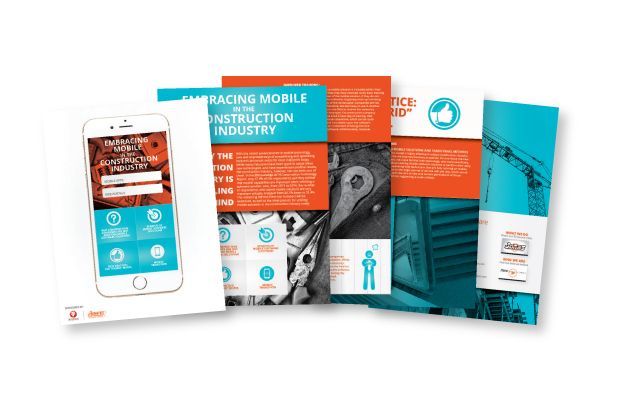
With the recent advancements in mobile technology, new and improved ways of streamlining and optimizing business processes exist for most industries today. While many industries have been quick to adopt these new technologies, and have experienced positive results, the construction industry has not been one of them. In the JBKnowledge 2014 Construction Technology Report, only 47.9 percent of the respondents said they believe mobile capabilities are important when selecting a software solution. Also, from 2013 to 2014, the number of respondents who stated mobile solutions are very important actually dropped from 32.1 percent down to 31.4 percent. The reasoning behind these low numbers will be examined, as well as the ideal process for utilizing mobile solutions in the construction industry today.
Why Construction Companies are not Adopting Mobile Software Solutions
Poor Experience:
In the world of mobile software solutions today, two options exist: mobile apps and web portals. Although both options have their advantages, there are certain limitations that do not meet the needs of the average construction company.
For example, when working with web portals, the pages may timeout and data loss can occur. This can be frustrating for a technician who has spent the time working on a service order or submitting their hours for the day. With mobile apps, limitations on what can be completed within the app can leave some construction companies wanting more, and in some cases, apps are only available for one type of mobile software such as Android, but not available for Apple. This can cause an issue for companies with a “Bring Your Own Device” policy or have technicians only using one type of mobile device, as the application may not be able to work for them at all.
Another issue is the lack of wireless reception, particularly in rural areas. If technicians are unable to connect to the internet, they will not be able to submit their data directly from the jobsite, but instead will have to wait until they acquire internet access. This limits the capabilities of the mobile solution, which can leave construction companies frustrated.
Does Not Meet Expectations:
Before the software is even purchased in some instances, many construction companies are sold on all of the benefits they will receive through implementing mobile solutions. While mobile solutions do have the ability of enhancing efficiencies and improving productivity, such as completing service orders and submitting technician hours directly from the field, identifying the value can be difficult if companies have not been properly guided on how to effectively use the software. Expectations may have been set too high during the initial sales process, and when the software does not perform exactly as described, construction companies can be quick to revert back to old tried and true methods.
Unfamiliarity with Technology:
Mobile technologies are a fairly recent advancement, especially within the construction industry. Most of the construction owners, managers and technicians have been in this business long before any mobile solutions even existed. The thought process for many of those in the construction industry revolves around the idea that if it isn’t broke, then don’t fix it. Not only are they used to a certain way of doing things, such as using pen and paper or even Excel spreadsheets, but they are hesitant to make a change to something that is unknown and unfamiliar.
For many within the construction industry, earning a completely new technology is too time-consuming and not worth the effort. To take the time to learn how to use a new mobile device, a new software, and then put that into use in field, will require too much training and downtime in the eyes of those in the construction industry. Even if some individuals are willing to try completing and submitting hours through their mobile device to get buy-in from everyone within the company, especially those who are unfamiliar with technology, can be difficult to say the least. This can be a big deterrent in fully adopting a mobile software solution across any construction company.
Benefits of Mobile Software Solutions
So far, we have looked at the why construction companies are hesitant to implement mobile solutions in their construction business. Although mobile software solutions are relatively new within the construction industry, many benefits can be achieved if implemented properly.
Let’s first take a look at field technicians. With an integrated mobile software solution in place, technicians can create and complete work orders, view technician history and notes, and capture digital signatures from the client, all while synchronizing the information into their construction software system. Not only will this save the technician from having to fill out manual paperwork, which he will have to return back to the office, but it also saves time for the back office staff, as they no longer have to manually enter the information into the system, which can be susceptible to data entry errors. When recording hours, technicians simply enter their hours worked directly from their mobile device, and the system is able to adjust for any premiums or union rates that should be applied. This also saves the back office staff from having to manually enter each technician’s hours, which can be very cumbersome. Instead, all that is required is an approval that the hours inputted are correct and the technician can be paid out.
In an ideal world, all parties involved are content. Technicians are satisfied because all of the work required can be done directly from the field, right from their mobile device. With their hours inputted the same day as well, they can ensure they are paid out on time and at the correct rate. The office personnel is happy, as they no longer have to spend time manually entering data into the system, which effectively eliminates double entry and reduces errors. Owners and management are pleased because the operation is running smoothly and the business is more productive overall. They also will have access to greater reporting capabilities and key performance indicators, as the information available in their construction software system will be accurate and in real time. With access to greater reporting specifically, more useful data can be captured, which in turn leads to increased revenue through the ability to make more informed decisions. As stated, however, this would be an idealistic situation. There is a more practical solution that many construction companies have begun to adopt, which is referred to as the hybrid model.
To learn about the hybrid model as well as how to properly deploy mobile solutions in your construction business, click the button below to download the complete ‘Embracing Mobile in the Construction Industry’ white paper.
Download “Embracing Mobile in the Construction Industry”