Chat with any colleague who has recently returned from an industry gathering or conference; you’ll hear the business debriefing as well as anecdotes, restaurant recommendations and—of course—the latest insider gossip. There’s no substitute for this kind of personal interaction. Face-to-face networking, in such a concentrated way with people who have common interests, remains an incredibly effective, efficient way of communication.
As people are communicating more electronically, video-conferencing is de rigueur in large organizations, with approximately 450,000 systems installed in the United States. Skype alone logs eight billion hours of calls each year. It’s obvious that quality, in-person time is viewed as valuable and that the convention industry should appreciate this by keeping their properties in top condition.
Trade shows in the construction sector are experiencing growth: CONEXPO 2017 saw a 16 percent jump in U.S. buyer attendance, and overall contractor and producer attendance grew by 10 percent compared to the previous show. The 2017 International Builders Show (IBS) expanded its exhibit space by 20 percent, 569,000 square feet, compared 2016.
Build New or Renovate?
Many cities are faced with a choice between constructing a new convention center or renovating existing facilities. Typically, building a new hall is easier than rehabbing an old one. However, finding a suitable site—one that is sufficiently large, centrally located, and within walking distance of urban attractions—is not always feasible. Opting to build from the ground up also eliminates the need to interrupt scheduled conventions, as they can be held in the outdated facility while the new one is being constructed.
For convention centers located on a landlocked, built-out site, there’s typically one way to go when adding meeting space to the hall: Up. The old model for facilities was to situate everything at ground level for easy access; now, with land at a premium, most buildings are stacking spaces vertically. This presents its own set of challenges, including incorporating parking into the structure and planning the ground-level programming and content.
Size and Strength Still Matters
In the 20th century, convention centers were all about scale. That suited the building-expo business well, with its specialized exhibition needs. Heavy equipment, oversized vehicles, and industrial-grade machinery require exceptionally strong, durable and spacious exhibition halls.
Construction-industry venues take a beating, and keeping the facility in sound condition should be a prime concern. In any renovation, building components and systems should be revisited for safety, compliance and to ensure that they meet current needs.
One example is the ceiling structure. With exhibitors’ suspended signage sometimes exceeding 1,000 pounds and the occasional accidental rafter-bump from a boom crane, trusses may need repair or replacement.
Inadequate floor load limits can restrict business. Some portions of the 3.2 million-square-foot Las Vegas Convention Center, home to the CONEXPO-CON/AGG show, have a 300 psf rating while other areas have more stringent weight restrictions.
There are several tech-related design improvements that can help established construction show venues stay current. Installing electric vehicle charging stations is a proactive step to take for those facilities that will be transitioning from gas-powered service carts to electric-powered models. Adding satellite pads/platforms on the roof of the exhibit hall enhances the revenue for show operators/owners, as they facilitate an important value-added service: broadcast capability for exhibitors.
Interior Amenities
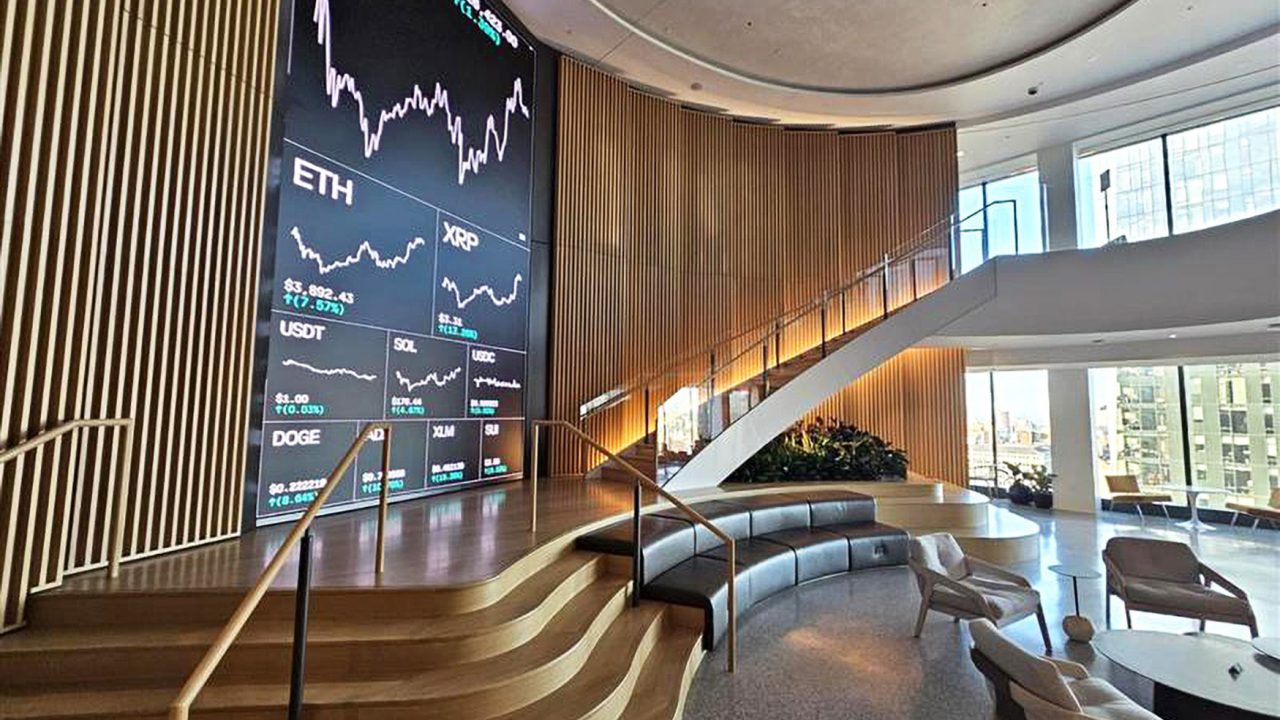
Inside the convention center, user expectations are a combination of the pragmatic and the aesthetic. Great looking public areas and meeting spaces with a high level of quality detailing and finishes (think wood veneer, clear-span design and glass partitions instead of drywall, concrete columns and popcorn ceilings) make a good first impression on conference planners.
To maximize resources (in area and revenue), many convention centers are turning away from fixed walls and adopting physically flexible designs. Moscone West in San Francisco is an example of this tactic. The building features more than a mile of movable interior walls that permits a high degree of freedom to reconfigure the 200,000 square feet of function space on the second and third floors. Anaheim’s new expansion also adopts this approach.
Of course, the technological features that are intrinsic to the impetus for upgrading a convention facility must be state-of-the-art. Digital resources, seamless connectivity and security programs are central to every successful event. Intelligently planned and executed, investments in convention centers will yield not only great financial returns, but ensure a returning customer, as well.