When two general contractors are hired to work together on the same project, consistent communication is key to ensuring success from the planning stages of the project all the way through to project close.
Planning
Planning is essential to delivering the results clients are looking for with any construction project. When two general contractors are involved, it is more important than ever. The base scope of the project should be made clear by the project owner or architect from the beginning, and each company must be fully aware of their precise responsibilities where the scopes overlap. It should also be made clear why these two companies were hired to split the project in the first place as well as the expertise of each company. Understanding all of these factors will set the project up for success, because it is where the scopes intersect that the most challenges lie.
Keeping communication open so all teams are aware of any changes is important every step of the way. When something changes on one side of the project, from a large-scale change to a structural foundation plan down to a differing type of plumbing fixture, it could affect work on the other side of the project. This is where coordination between each team comes into play. Weekly meetings should be scheduled to communicate the latest updates and ensure that the teams are working together to the best of their ability. A communication plan should be created to ensure each team is aware of who the key contacts are from the other company. This will allow for consistent, clear and direct communication.
Logistics
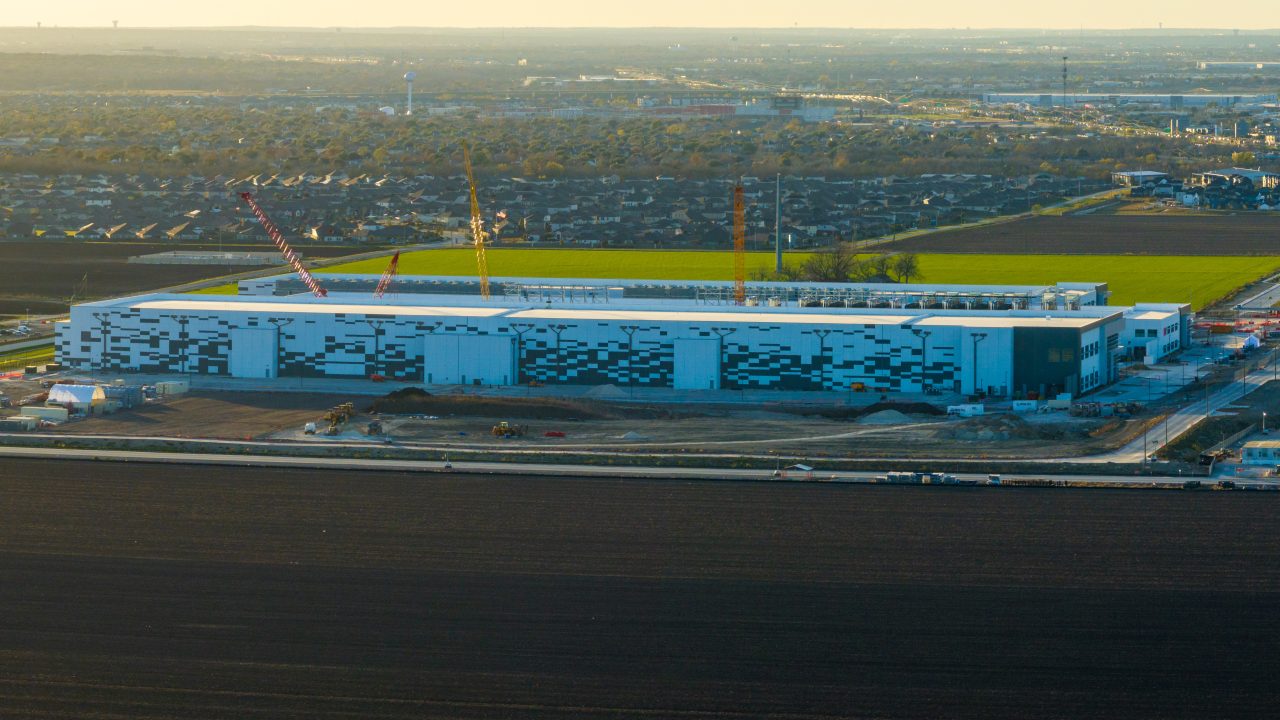
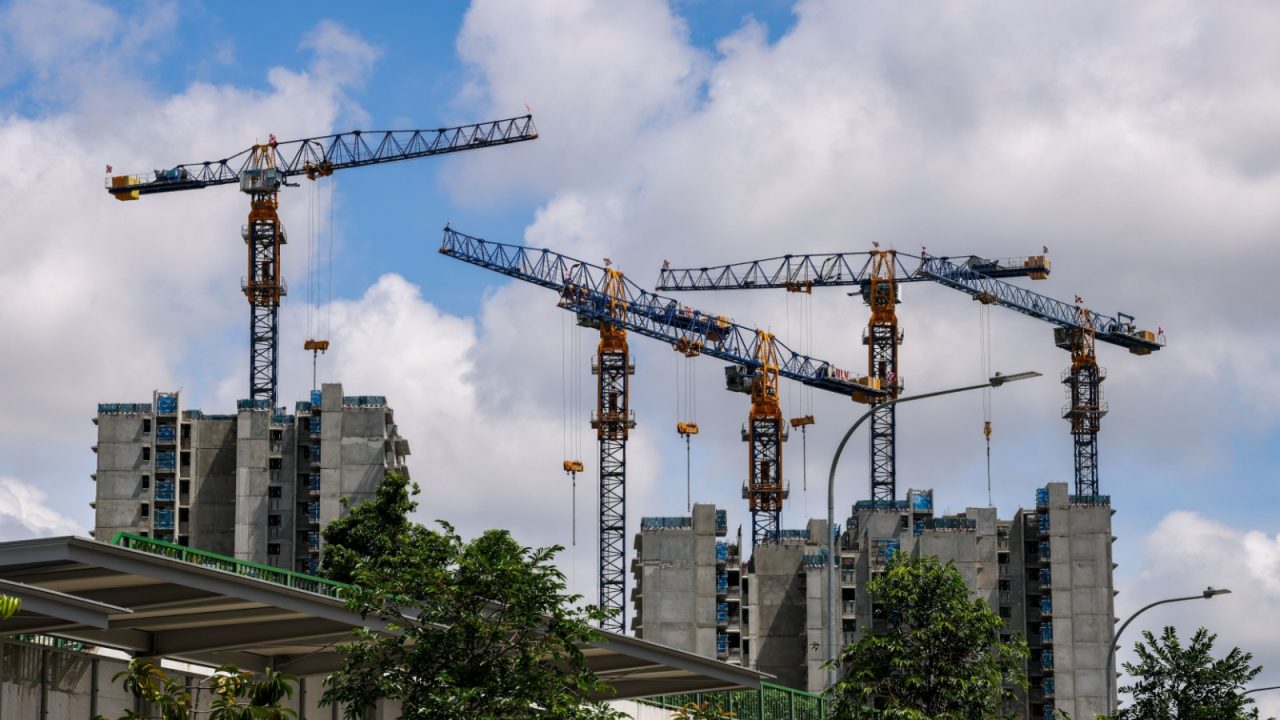
Logistics are the next important factor in collaborating successfully. Every detail, no matter how seemingly insignificant, matters. For example, if one company is using mobile cranes to erect a structure, it should provide a crane plan that clearly demonstrates where and when each crane is going to be on the site, where the controlled access zones are and where the materials are hoisted from. Poor communication can lead to small problems developing into major problems and causing significant delays that can begin to put a strain on the relationship between the general contractors and adversely affect the project.
The permitting process is another example of how open communication is important. If any permits are delayed for one scope of work, it could cause delays on tie-in inspections for the other side. Both teams will need to work together to accommodate these types of issues and manage them as efficiently as possible. If both teams work together to create a master schedule with all of the major project stages outlined, it will create a solid foundation to ensure construction stays on track. By keeping an open dialogue and ensuring each company is aware of the other’s schedule, the two can work together as seamlessly as possible.
Final Inspections
As projects reach the final stages, the teams should be sure to communicate what is necessary to pass final inspections. If there are any delays, no matter how small, this should be communicated as early as possible to minimize the overall impact on the project. This can be one of the biggest hurdles of a project when each company needs to schedule and pass all of its final inspections, including ensuring there is a safe path of travel from one area of work through the other’s area. Another example is with fire alarms, which often have to be a single system serving the entire building. Both teams will need to work together to ensure the different building zones and related equipment has been tested and is ready for inspection. It is critical to not fall behind so that when an inspector is scheduled to visit the site, all aspects of the project are ready.
When two general contractors learn how to collaborate successfully, it can be the beginning of a lifetime partnership that is beneficial for all parties involved. Hiring two companies with specific expertise on various elements can create a financial advantage for project owners while creating more opportunities for each company and an incredible outcome for the community.