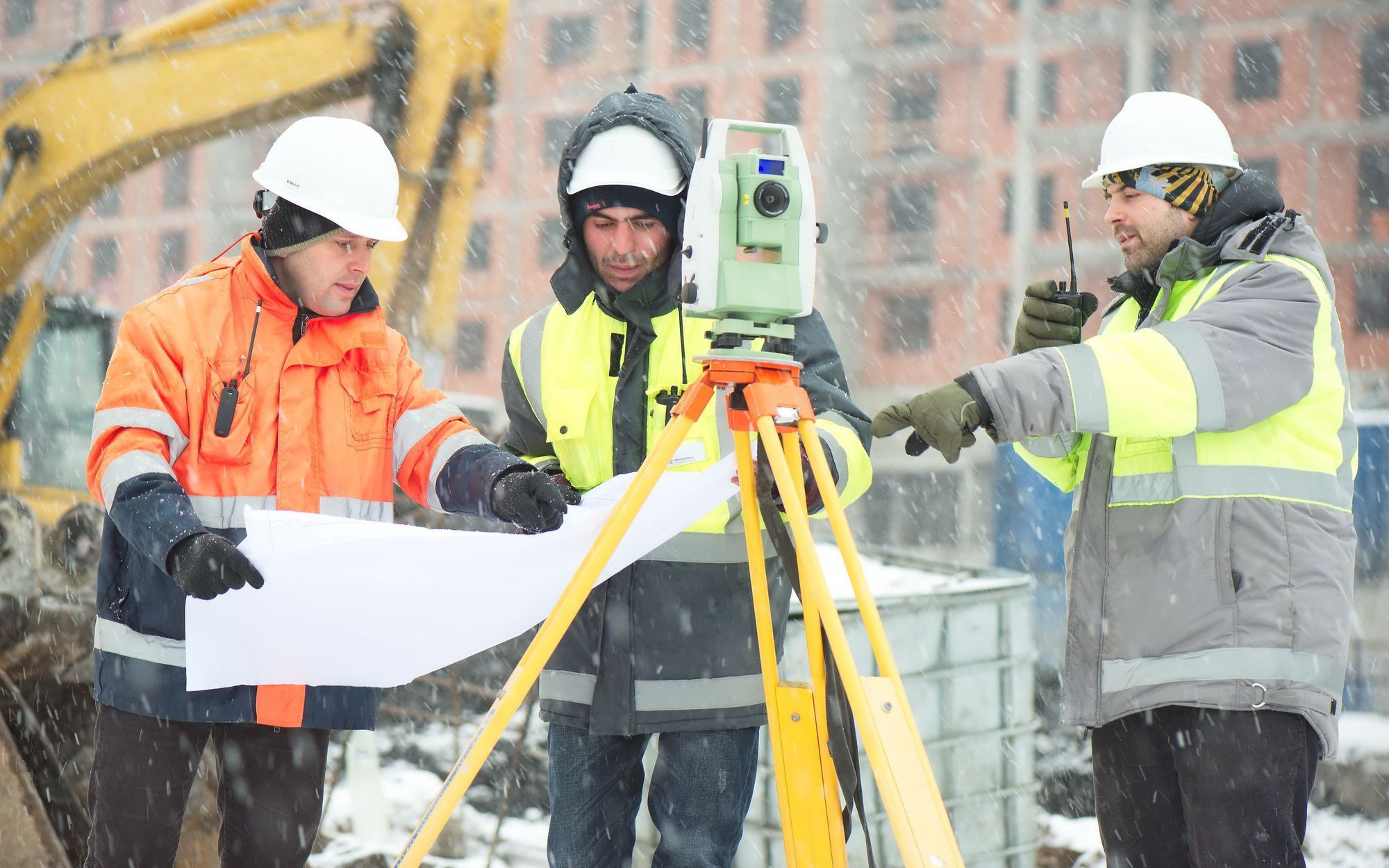
The construction industry relies heavily on seasonal workers due to weather/geographic restrictions that limit construction project opportunities, as well as the seasonality of certain building projects. Too often, seasonal employees work every day throughout the season, only to report a new workers’ compensation claim as soon as the project finishes. When this is commonplace, construction companies run the risk of workers’ compensation exaggeration and fraud.
There are several tools that construction companies have to protect against increased claims once the construction season ends.
Background checks and pre-hire testing
Background checks and pre-hire testing have an upfront cost, but they can help an employer avoid hiring employees who may be prone to have or exaggerate claims. Pre-hire testing can also result in decreased turnover and increased engagement. When comparing the upfront cost of background checks and pre-hire testing to the cost of a large workers’ compensation claim, the pre-hire testing can yield a high return on investment.
Safety training throughout the life of a project – not just at the time of hire
It is a mistake to only conduct safety training at the time of hire. Monthly “toolbox talks” provide an ongoing reminder to employees that safety rules and regulations need to be followed for their safety and well-being. Use historical Workers’ Compensation claim data to identify the top injuries (backs, shoulder, sprains and strains) and tailor the ongoing training to minimize claims in those areas and enforce safety-oriented behaviors.
Thorough claim investigation
When a workers’ compensation claim is reported late, there are several claim investigation tools that should be utilized. Adjusters should run an index report on each employee to see if they have injured the same body part in the past. Adjusters can also run a medical sweep on the employee to determine if he/she has obtained medical treatment for the injured body part that may not show up on the index report. Some jurisdictions allow employers to deny workers’ compensation claims when they are reported past a certain time frame. The key to claim investigation is open and frequent communication/collaboration with the claims adjuster.
Utilizing these three tools will help construction companies make strong hiring decisions, enforce safety practices and investigate claims thoroughly if they occur.